
6 Steps to Plan Your Trip to China
If you’re thinking about traveling to China, you’ll be warmly welcomed no matter where you go.
But planning a trip to China can definitely feel overwhelming — visas, the language barrier, a bunch of apps you’ve probably never used before, and plenty of cultural habits that might not be what you’d expect. So I put together this 6-step guide, hoping it can help make your trip smoother and give you more peace of mind.

Step 1: Get Your Paperwork Ready
Start with the basics: make sure your passport has at least six months of validity left and a couple of blank pages for stamps.
Visa Policies
China has been gradually introducing more flexible visa rules. Depending on your nationality, you may be able to enter visa-free for a short stay or use transit exemptions in major cities. For example, many travelers can enjoy 144-hour(ten days) visa-free transit if they are passing through to the third country or area which including HongKong&Macao.
If You Need a Tourist Visa
Applying for an L (tourist) visa is usually straightforward: you’ll need a completed application form, recent passport photos, basic travel plans, and proof of financial means. Check with the nearest Chinese embassy or consulate for the latest requirements.
My tip: Always confirm the current rules before you travel. Policies are evolving, and sometimes new visa-free arrangements get announced.

Step 2: Pick the Best Time to Visit (Seasons Make a Big Difference)
China is vast, so climate varies widely. Choosing the right season for your destinations will really shape your experience.
- Spring (March–May) and Autumn (September–November): Mild weather, clear skies, and beautiful scenery. These are the most popular months, so expect crowds at famous attractions.
- Summer (June–August): Hot and humid in the east (Beijing, Shanghai), but perfect for exploring mountain regions like Tibet or Yunnan. Be aware that this is school holiday season, so attractions are busier.
- Winter (December–February): Cold in the north but great for fewer crowds and lower prices. Southern China (e.g., Guangzhou, Hainan Island) is still comfortable. Winter also means snow festivals and ski trips in the northeast.

Best time to visit China
Step 3: Choose Your Travel Focus
China has so much variety that it’s worth thinking about your interests before planning your route.
- First-time visitors – Classic Route:
- Beijing: The Great Wall, Forbidden City, and authentic Peking duck
- Xi’an: The Terracotta Warriors and the ancient city wall
- Shanghai: A futuristic skyline, colonial Bund, and nearby water towns
- Nature lovers – Landscapes You Won’t Forget:
- Guilin & Yangshuo: Famous karst mountains and river cruises
- Zhangjiajie: Sandstone pillars that inspired Avatar
- Yellow Mountains (Huangshan): Sea of clouds and ancient pines
- Yangtze River: Multi-day cruises with spectacular gorges
- Animal lovers – Panda time in Chengdu: See giant pandas, taste Sichuan’s spicy cuisine, and even join volunteer programs.
- Been before? – Deeper explorations:
- Tibet: Unique culture and Himalayan landscapes
- Yunnan: Ethnic diversity, ancient towns, and mild weather
- Silk Road (Xinjiang, Gansu): Deserts, bazaars, and history-rich ruins

How to plan your first travel to beijing
Step 4: Decide How Long to Stay
Your itinerary depends on your available time and how much you want to cover.
- 1 week: Choose two destinations to avoid rushing. Examples:
- Beijing + Shanghai
- Beijing + Xi’an
- Shanghai + Guilin
- 10–14 days: The most popular option. Visit Beijing, Xi’an, Shanghai plus one or two “bonus” destinations like Guilin, Zhangjiajie, or a Yangtze cruise.
- 15+ days: Time for deeper journeys. Add Yunnan, Tibet, or the Silk Road.
Example 14-day trip:
- Beijing (4 days) – Great Wall, Forbidden City
- Xi’an (3 days) – Terracotta Warriors
- Chengdu (2 days) – Pandas & Sichuan food
- Yangtze River Cruise (3 days) – Relaxing scenery
- Shanghai (2 days) – Modern city life
Step 5: Budget and Travel Styles
China isn’t “dirt cheap” anymore, but it offers excellent value compared to many destinations.
- Accommodation: 4-star hotels in big cities start around $100/night.
- Private tours: About $220–250 per person per day (sharing a room) including hotels, guides, cars, meals, and tickets. Great for convenience and first-time visitors.
- Small group tours: Budget-friendly, social, with professional guides.
- Independent travel: Cheaper but requires more preparation (language barriers can be real).
Money-saving tips:
- Use high-speed trains instead of flights for short distances.
- Mix street food with restaurant meals.
- Pre-book attractions during peak season.
- Travel in shoulder months (late spring, early autumn) for better prices.
Step 6: Prepare for Daily Life in China (The Practical Essentials)
A few things will make your trip smoother.
- Internet: Many global apps (Google, Instagram, WhatsApp, Facebook) are blocked. Download and test a VPN before arrival.
- Essential apps:
- WeChat: Messaging, payments, social – everyone uses it
- Alipay: Another must-have for payments
- Baidu Maps or Amap: Reliable navigation(support English vision)
- Pappy or other translation apps: Helps with signs and menus
- Getting around:
- High-speed trains: Comfortable and efficient
- Subways: Clean and affordable, English signs included
- DiDi: Local version of Uber
- Taxis: Cheap but drivers often don’t speak English – keep your destination written in Chinese
- Payments: Mobile payment is standard, but foreign cards don’t work everywhere. Recently, Alipay and WeChat Pay allow foreign bank cards – set them up before you go. Keep some cash for backup.
- Health & safety: No special vaccinations are required. Bring prescriptions, drink bottled water if sensitive, and consider travel insurance.
- Cultural tips:
- Learn a few words: ni hao (hello), xie xie (thank you)
- Tipping isn’t common
- Be respectful in temples, dress modestly
- Use two hands when giving or receiving items (like business cards)
- Packing essentials: Plug adapters, comfortable walking shoes, layered clothes, sunscreen, and a translation app.
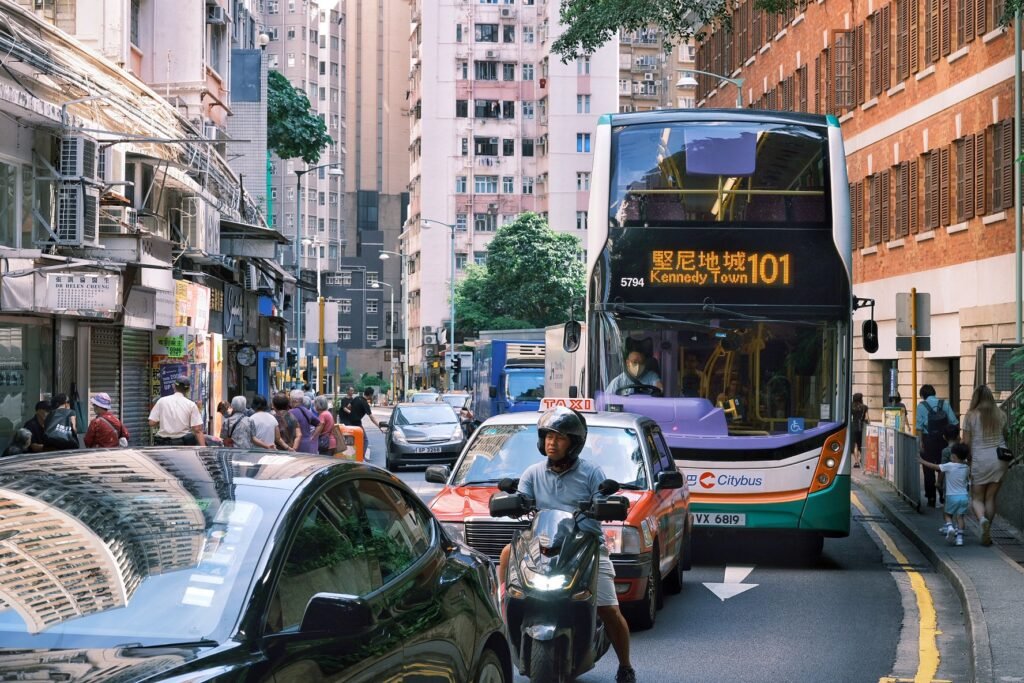
Planning a trip to China might look complicated on paper — but once you’re actually here, it all starts to click. One day you’re standing in the Forbidden City trying to imagine emperors walking the same stones; the next you’re on the Great Wall catching your breath from the climb. You go from the neon skyline of Shanghai to a quiet canal town in Jiangnan where the loudest sound is a boat paddle hitting water. You eat Peking duck one night and slurp down mouth-numbing Chongqing noodles the next — and somehow both feel like “the real China.”
My honest advice? Don’t try to do it all in one trip. Stay flexible, let a few things surprise you, and don’t stress about getting it “right.” That’s usually when the best moments happen anyway.
So pack your bags, keep an open mind, and get ready. It’s worth every bit of the planning.
More Practical Information
- China Visa
- Essential Apps for Traveling in China
- Smart Shopping Guide: How to Find the Best Discounts and Deals in China
- Accessin the internet in china
- How do I get a Chinese phone card?
- How to pay easily in China?
- Transportation Guide for traveling in China.
- Which navigation app should I use when traveling in China?
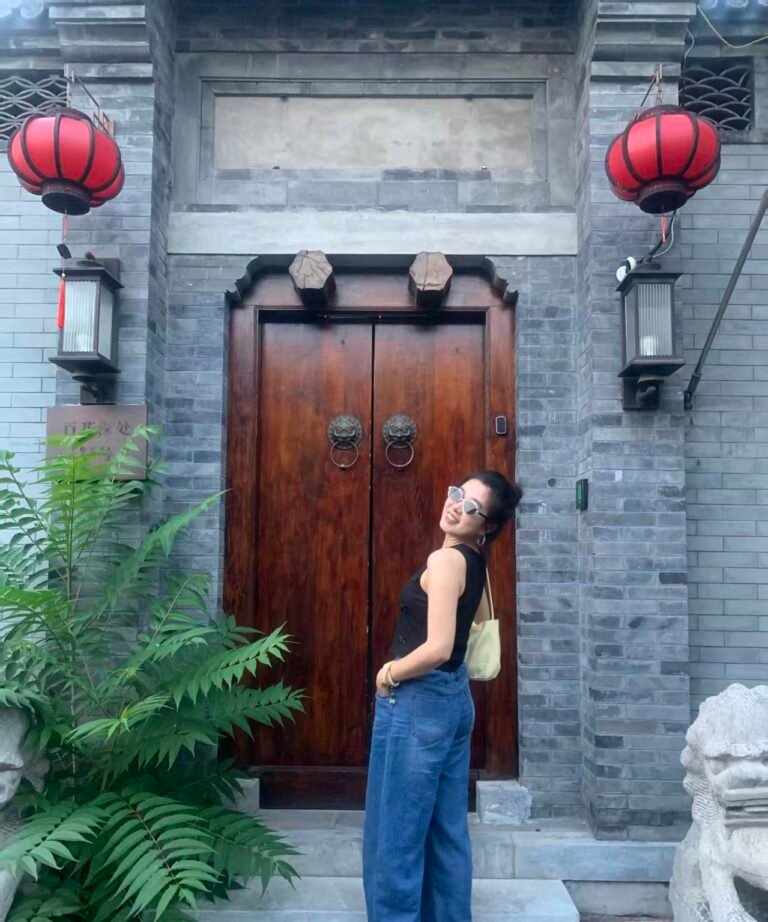
BEIJING-HUTONG

MUTIANYU GREAT WALL

HONGKONG
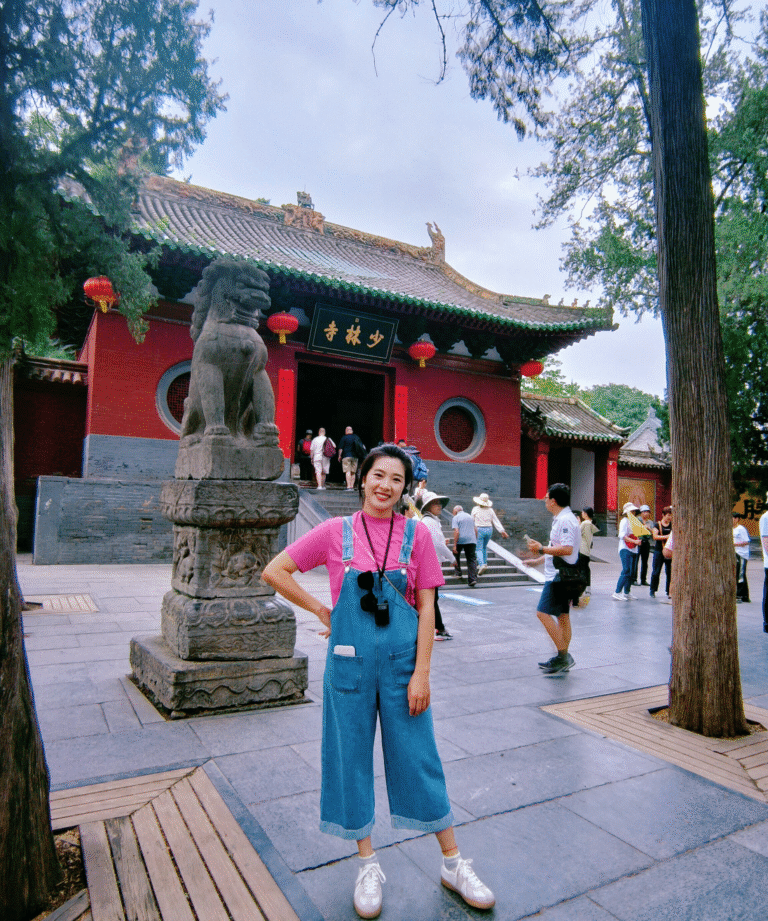
SHAOLIN TEMPLE

XI'AN

QINGDAO
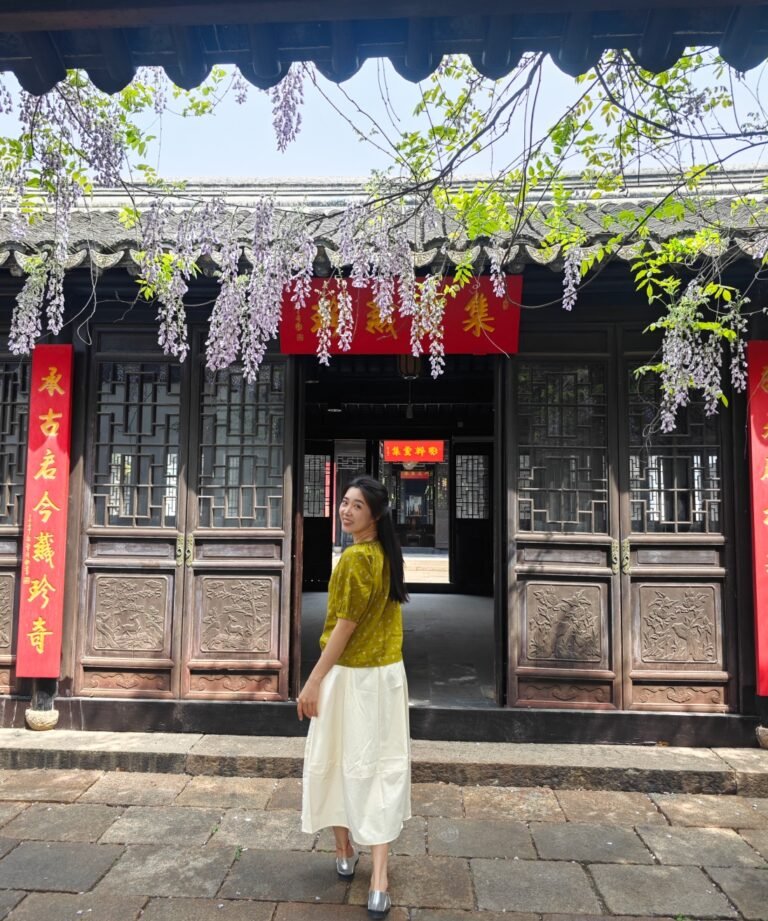
SUZHOU
HOME
ABOUT
DESTINATION
TRAVEL GUIDE

Get the occasional email from TripExpect — things worth knowing before or during your trip.
© 2026 TripExpectJouney All Rights Reserved
