3 places in Chengdu where you can see giant pandas up close. – Duplicate – [#9392]

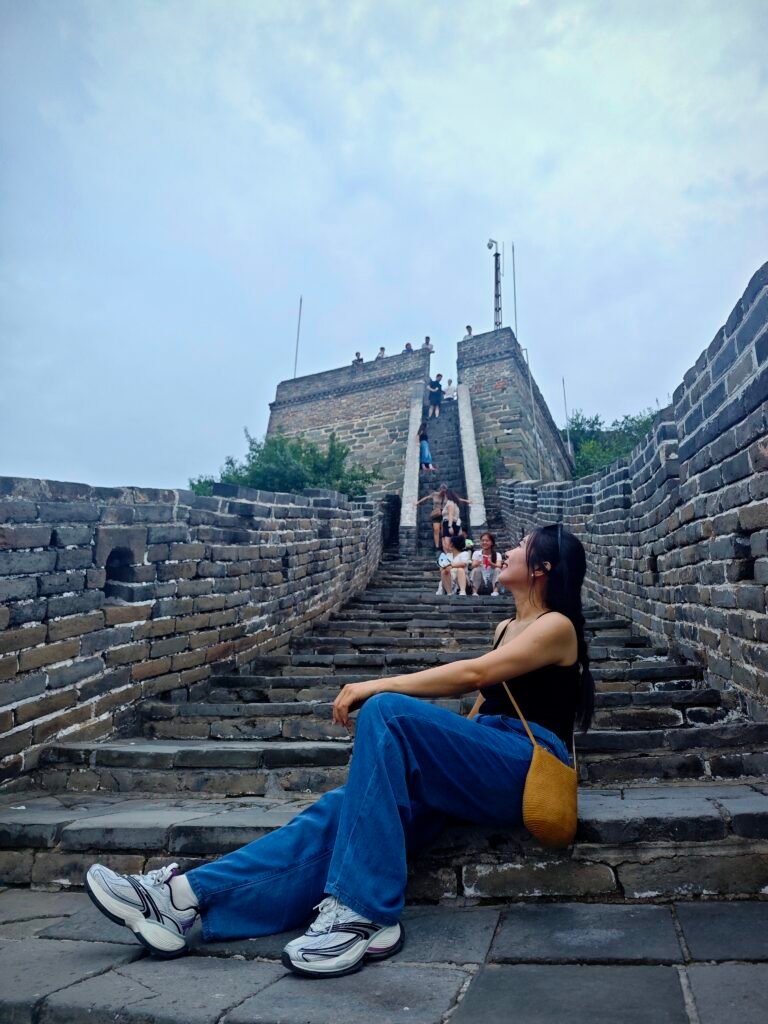
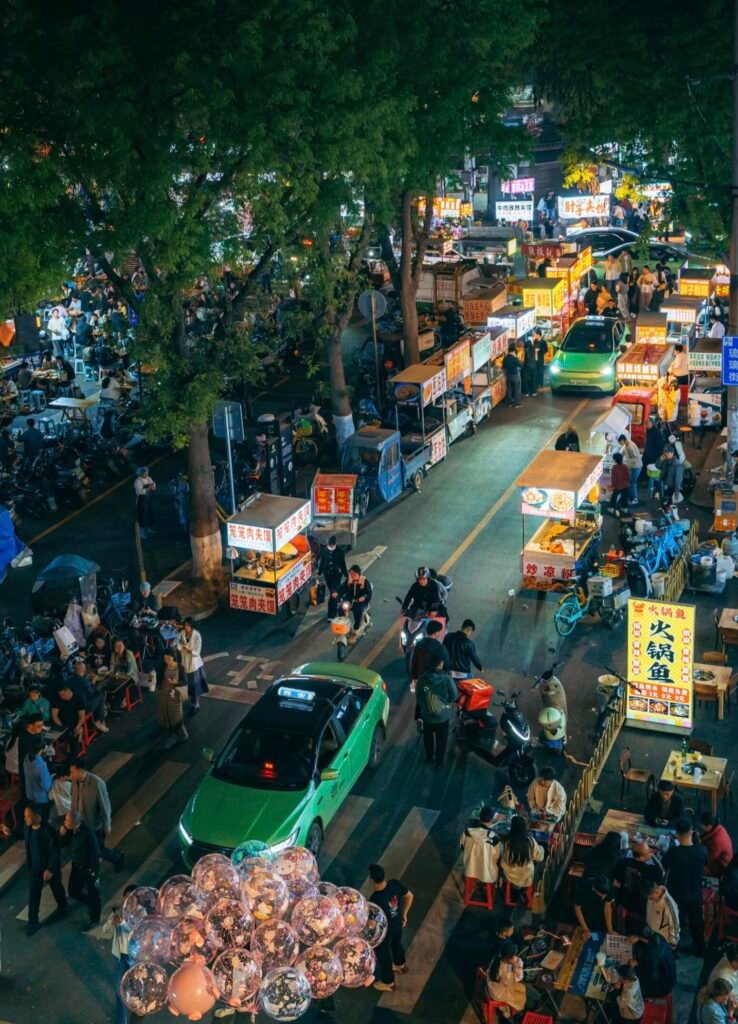
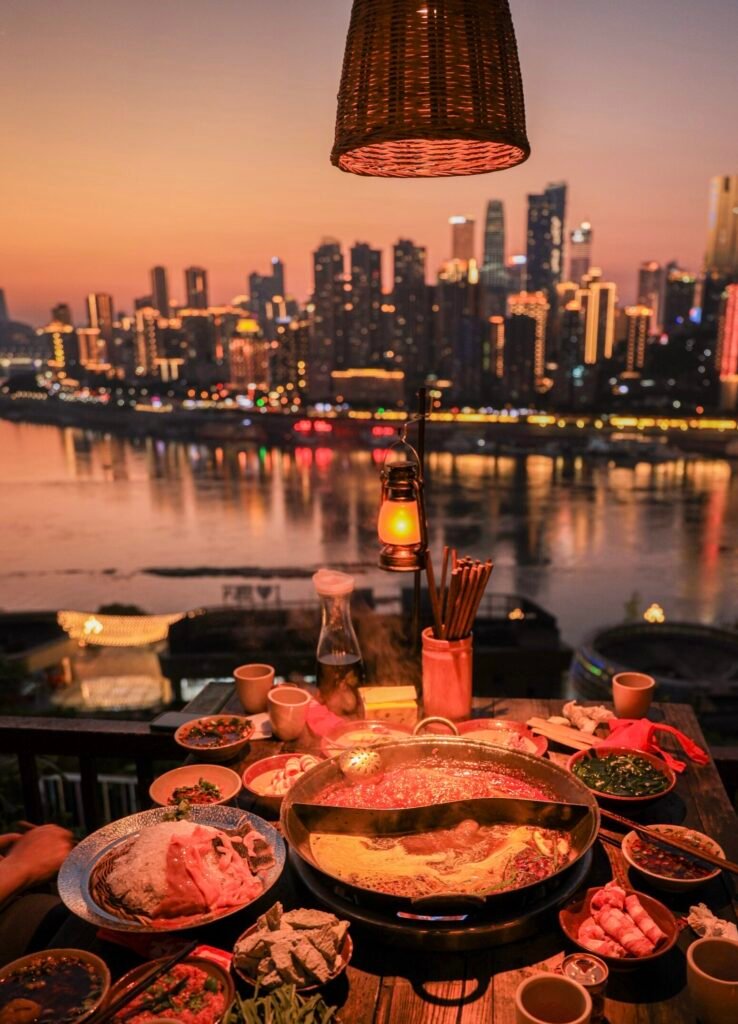
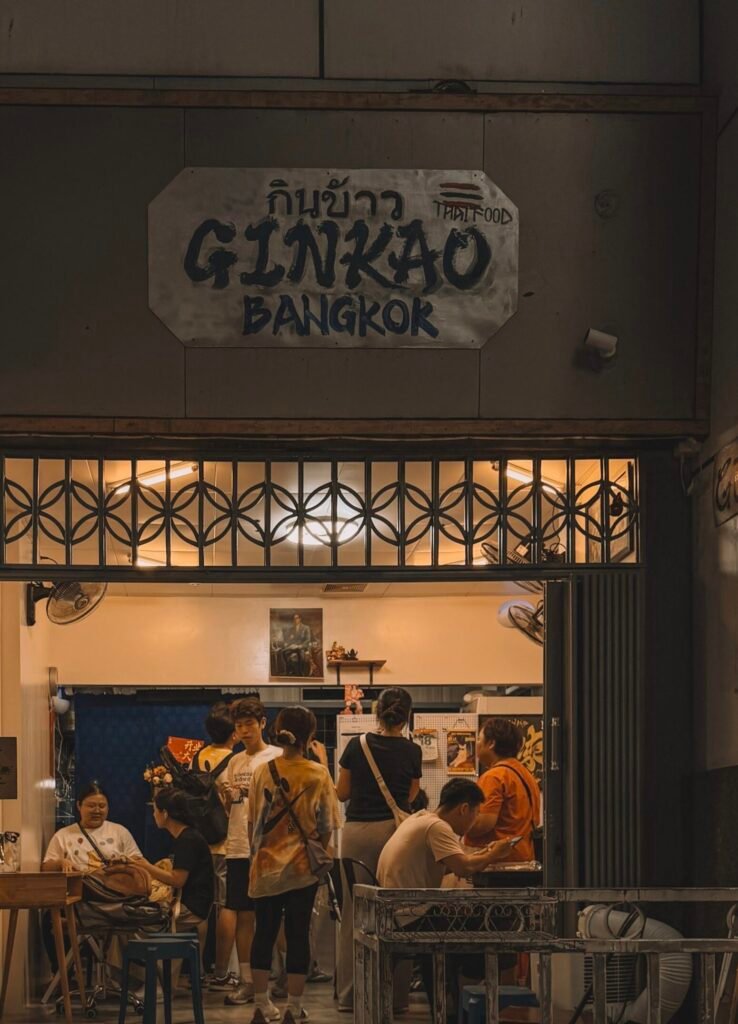
https://tripexpect.com/wp-content/uploads/2025/06/6月13日.mp4 3 places in Chengdu where you can see giant pandas up close 3 places in Chengdu where you can see giant pandas up close If you love giant pandas, Chengdu is a must-visit. The most famous spot is the Chengdu Research Base of Giant Panda Breeding, but there are also two other places where locals go to see pandas. I’ll outline the features of all three locations—the best choice depends on your travel route. Chengdu Great Bear Breeding Research Base Getting to the Chengdu Research Base of Giant Panda Breeding from downtown is incredibly convenient; you can take Metro Line 3 directly to Panda Avenue Station or hop on the Chengdu Tourist Express Bus. This base is massive – it’s China’s largest giant panda breeding and research facility, home to the highest number of pandas. Beloved superstar pandas like Hua Hua, He Ye, and Meng Lan reside here, along with the bustling Panda Kindergarten. Due to the pandas’ large roaming areas, viewing distances can sometimes feel a bit far. The base also offers rich educational exhibits, allowing you to gain a deep understanding of panda behavior and conservation efforts during your visit. You’ll find an array of adorable panda-themed souvenirs, perfect gifts to bring back for friends and family. Do note, however, that crowds can be extremely heavy during holidays. West Gate Route: Enter via the West Gate and follow this path: Jiangyue Pavilion → Mingyue Pavilion → Panda Art Museum (closed Mondays, except public holidays) → Giant Panda Star Nursery → Xinghan Pavilion → Yingri Pavilion → Xuri Pavilion → Panda Tower (closed Tuesdays and during inclement weather). South Gate Route: Start at the South Gate: Giant Panda Villa No. 7 → Red Panda Activity Area No. 1 → Red Panda Nursery → Giant Panda Villa No. 2 → Giant Panda Moon Nursery → Shengri Pavilion → Yunri Pavilion→ Xuri Pavilion → Panda Tower (closed Tuesdays and during inclement weather). 📍 Pro Tips for Your Visit:1️⃣ Avoid Midday Hours: Pandas are mostly napping around noon!2️⃣ Ride the Shuttle: The vast park offers hop-on/hop-off sightseeing buses—grab an all-access pass!3️⃣ Last Entry at 5:00 PM: Arrive early to maximize your time.4️⃣ Pack Essentials: Water, snacks, and a portable charger are must-haves. China Giant Panda Garden The China Giant Panda Garden is located in Dujiangyan but sits closer to Qingcheng Mountain. If you’re planning to visit Qingcheng Mountain, stopping here to see pandas is far more convenient. From downtown Chengdu, take the metro to Xipu Station, transfer to the intercity high-speed rail to Qingchengshan Station , and then a 10-minute taxi ride will bring you straight to the Panda Garden. While smaller than the Chengdu Research Base, you can comfortably cover it on foot in about two hours—and the highlight? You’ll get truly close-up panda viewing here.It’s noticeably quieter here with fewer crowds—perfect for a more peaceful panda experience.Plus, you can spot red pandas here too! Morning visits increase your chances of seeing pandas munching bamboo—their most active time! Pro Tips for Your Visit: Hong Kong residents enjoy free admission—simply present your ID at the ticket counter to exchange for an entry pass upon arrival.  Best Visiting Hours: 9:00-11:00 AM—when pandas are at their most energetic. Panda Valley Panda Valley boasts fresh air and stunning scenery, making it an ideal summer retreat. With lighter visitor traffic, you’ll skip entrance queues—and if you’re lucky, free-roaming red pandas might stroll right past you! Planning Tip:While Panda Valley is farther from downtown, it pairs perfectly with a Dujiangyan trip given their proximity. Dedicate a morning here (arrive early for active pandas!), then cap your day with Dujiangyan’s mesmerizing “Blue Tears” night views. Getting to Panda Valley:From Chengdu, take the metro to Xipu Station, transfer to the intercity high-speed rail bound for Dujiangyan Station. Upon exiting, you’ll find the Panda Valley Tourist Shuttle immediately available at the intersection—or simply take a taxi directly to the valley (about 15 minutes).

3 places in Chengdu where you can see giant pandas up close. – Duplicate – [#9392] Read More »

Top Travel Destinations in China for 2026

Top China Travel Destinations for 2026 If you are thinking about traveling to China in 2026, this is the kind of trip that often surprises you in the best way. From ancient capitals and dramatic mountain landscapes to food-focused cities and relaxed coastal towns, every place in China feels completely different once you arrive. It is not just about seeing famous sights — it is about discovering how diverse and rewarding the experience can be from one destination to the next. Hi, I’m Yolanda — a corporate trainer with a deep passion for travel. After exploring many regions across China, I share first-hand experiences, local food discoveries, and practical insights to help you see a deeper, more authentic China. View the full story

Top Travel Destinations in China for 2026 Read More »

8 Shanghai Streets Worth Exploring

8 Shanghai Streets Worth Exploring The city’s true magic is hidden in its streets and alleys, and the best way to unlock it is on foot. Wander through avenues where history is etched in the bricks and tiles, discovering unique boutiques, chic cafes, and serene gardens around every corner—each turn promising serendipitous delights. Lace up your most comfortable shoes, charge your camera, and bring a curious heart. The real Shanghai—charming, complex, and endlessly captivating—is waiting just around the bend. 1、Yuyuan Road Deservedly one of Shanghai’s top-tier side streets, Yuyuan Road is packed with trendy shops perfect for shopping and photos, plus beautifully preserved old villas open to the public—making it an endlessly enjoyable stroll. Route: Yuyuan Road → Zhang Yuan → Jing’an Sculpture ParkRecommended stops: Money Shop, Ribone Cafe, Artist La Pie, Common Rare 2、Wukang Road At the heart of the Hengfu Historical Conservation Area, this 1,000-meter-long street features 14 stunning international-style architectural gems. Every corner is photo-worthy, making it an unmissable Shanghai highlight. Route: Wukang Road – Wuyuan Road – Fuxing West Road – Yongfu Road – Shanghai LibraryMust-see spots: Wukang Building, Dayin Bookstore, Former Residence of Soong Ching Ling, Romeo’s Balcony 3、Anfu Road Stretching less than a kilometer, Anfu Road has earned its title as Shanghai’s “cosmic center of trendiness.” Every store along the way offers something uniquely appealing. Route: Huaihai Road – Anfu Road – Wukang RoadHighlights: Wiggle Wiggle, 13DE MARZO, D.Desirable, NU SHOP 4、 Yongjia Road Known as “Shanghai’s Most Expensive Little Street,” Yongjia Road is lined with countless historic villas with jaw-dropping price tags. Route: Yongjia Road – Jianguo West Road – Taiyuan Road – Yongkang Road Recommendations: Coffee, Bread, Good Weather, GOOSE ISLAND TAPROOM, Money Shop 5、 Fumin Road A chic emblem of Shanghai’s wutong-lined avenues, Fumin Road perfectly blends French-inspired ambiance with an effortlessly stylish lifestyle. Route: Julu Road – Fumin Road – Changle Road Don’t miss: No. 38 Fumin Road, MELBOURNE, Bistro11, Cuidadon Benshop TAPROOM, Money Shop 6、 Hengshan Road Dubbed the “Champs-Élysées of the East,” Hengshan Road exudes old-Shanghai charm and is one of the city’s must-visit wutong-lined neighborhoods. Route: No. 8 Hengshan Road – Yongping Lane – Libo GardenHighlights: Hengshan Road No. 8, Yongping Lane, Hengshan Fang, Xujiahui Park 7、 Sinan Road Known as a “living textbook of urban history,” Sinan Road is one of Shanghai’s most culturally rich streets. With over 50 historic villas lining the avenue, it’s like stepping into a century-old time tunnel. Route: Fuxing Middle Road – Sinan Road – Nanchang RoadKey sites: No. 53 Sinan Mansions, Zhou Enlai’s Former Residence, Sun Yat-sen’s Former Residence, Sinan Bookstore 8、Xinhua Road Renowned as Shanghai’s “No. 1 Garden Street,” Xinhua Road offers year-round beauty and endless charm. Route: Kaixuan Road – Xinhua RoadRecommended visits: Xinhua Villas, A Chi Garden, Villa Le Bec 321 Grab Your Free China Travel Essentials List Everything you need for a smooth adventure across China. Subscribe You have been successfully Subscribed! Ops! Something went wrong, please try again. HOME ABOUT CHINA START HERE Useful Links Terms&Conditions Privacy Policy Contact © 2025 TripExpectJouney All Rights Reserved

8 Shanghai Streets Worth Exploring Read More »

12 Photos to Inspire You to Visit Beijing

12 Photos to Inspire You to Visit Beijing Have a good trip Beijing is too vast to fully explore in 7 days. But with limited time, you should of course focus on the highlights. Climbing the Mutianyu Great Wall as night falls, your legs may go weak from the steps, but that moment standing at the top makes everything worth it. Chang’an Avenue under the setting sun is immensely broad, making your heart feel expansive too. Besides these must-see attractions, the local life attracts me more: the old buildings in Beixinqiao, the rows of food stalls – it’s very pleasant to stroll while eating, and you can stop to watch the old masters living nearby play chess. When tired from walking, rent a shared bike and just go anywhere – you might discover more novel things. If you have more time, I recommend visiting a local wet market; that’s the daily life of Beijingers. Then go explore the night market: lots of snacks, fun collectible figurines, and if you’re interested, you can even have your future told (a unique Chinese practice: reading your Ba Zi / Eight Characters). The longer you stay, the more you will grow to love Beijing.

12 Photos to Inspire You to Visit Beijing Read More »

Best time to visit China

Best time to visit China Longji GUANGXI If you ask me when is the best time to travel to China? My answer is: Any time! The magic of this treasure of a country lies in its four seasons—an endless rotating feast that never ceases to amaze. You never have to worry about “missing the season.” You just need to follow your mood: are you chasing a romantic snowfall or diving into a dazzling sea of flowers? Whenever you decide to set off, there’s always a place in this land showing you its most beautiful version of the year. So pack your bags and trust the rhythm of China’s seasons—your perfect trip is always in season.   TIPS. China spans a wide range of latitudes, so climates in the north and south can differ dramatically in the same month (e.g., −30°C in Harbin vs 25°C in Sanya in December). During national holidays (such as National Day or Spring Festival), popular attractions become extremely crowded—advance planning is highly recommended. Hey! I’m Yolanda, a traveler with adventure in my blood and taste buds forever hunting for the next feast. My mission? To live off the beaten path and constantly seek out the new and exciting. View the full story Top Articles   Essential Apps for Traveling in China Smart Shopping Guide: How to Find the Best Discounts and Deals in China Using the Internet in China (the Way You’re Used To) How to pay easily in China? Transportation Guide for traveling in China. Which navigation app should  I use  when traveling in China? Monthly Guide January Best Destination: Harbin (-20°C): Magical ice castles, fairy-tale snowscapes Sanya (23°C): Sunny winter beaches, coconut groves and waves Guangzhou (15°C): Spring flower markets, steaming dim sum feasts January in China offers both winter magic and warm escapes – perfect for creating unforgettable memories! Harbin Saya Guangzhou February Best Destination: Lijiang (0°C-15°C)Look up and there’s Jade Dragon Snow Mountain! Wander through the ancient town, listen to Naxi ancient music, check out the little bridges over flowing streams, and hang a wishing bell — it’s like stepping into a fairy tale! Yuanyang Terraces (15°C)Your eyes are totally surrounded by these dazzling mirror-like terraces! Wait for sunrise as the sea of clouds rolls right under your feet — the views are absolutely unreal! Xiamen (14-18°C)Hop on an e-bike and cruise along the coastal road! Find a hidden beach and jump in for a swim, then chill at an old villa café on Gulangyu Island — now that’s what I call the perfect island day! Lijiang Yuanyang Terraces Ximen March Best Destination: Guilin (16°C)Drift on a bamboo raft down the Li River, watching karst peaks rise like giant emeralds from the water — it’s like paddling straight into a traditional Chinese painting!  Yangzhou (11°C)Stroll around Slender West Lake as willow buds begin to sprout, then sip this year’s first cup of Lüyangchun tea in an old teahouse — taste the freshness of spring right on your tongue!  Hangzhou (10°C)Cycle around West Lake while cherry blossom petals drizzle over your head, then head to Meijiawu to enjoy a freshly roasted Longjing tea — now this is how you truly experience a Jiangnan spring! Guilin Yangzhou Hangzhou April Best Destination: Zhangjiajie (Apr avg 18°C)Rocket up the Bailong Elevator through the clouds, where stone pillars play hide-and-seek in the sea of mist — feels like you’ve crashed right into the world of Avatar! Suzhou (Apr avg 20°C)Glide by canal boats under tiny bridges, magnolias blooming bright against white walls, then duck into a lane for sweet osmanthus rice pudding — taste spring in Jiangnan right there! Xishuangbanna (Apr avg 28°C)Dive into the Water Splashing Festival madness! Squirt water guns and exchange blessings with Dai dancers, then feast on lemongrass grilled fish at the night market — April here is wild and joyful! Zhangjiajie Suzhou Xishuangbanna May Best Destination: Chengdu (Avg 21°C)Charge into the panda base to watch fluffy “buns” munch bamboo, then dive into a alley hotpot joint to cook tripe — so spicy it brings tears but you just can’t stop! Ili,Xinjiang (Avg 18°C)Leap into seas of purple lavender for dreamy photos, then ride horses across flower-covered slopes of Karajun Prairie — even the wind smells like romance! Beijing (Avg 22°C)Climb the Great Wall to become a “hero”, then slip into the Forbidden City for a corner tower coffee — munch a cultural ice cream between red walls and golden tiles! Chengdu Ili Beijing June Best Destination: Shangri-La, Yunnan (Avg 15°C)Known as “the land closest to heaven”, this high-altitude region is surrounded by snow-capped mountains and features vast meadows dotted with pristine forests. The Songzanlin Monastery here is the largest Tibetan Buddhist temple in Yunnan. Silk Road – Dunhuang (Avg 25°C)The Dunhuang section includes the singing sand dunes of Mingsha Mountain and Crescent Moon Spring, along with the ancient mural art of Mogao Caves. The Danxia landform displays distinctive reddish-brown folds, where visitors can experience camel riding across the Gobi Desert. Southeast Guizhou (Avg 22°C)Famous for its layered rice terraces and Dong ethnic villages, the area’s Zhaoxing Dong Village preserves century-old wind-and-rain bridges. The region has maintained intangible cultural heritage including the polyphonic Dong Grand Songs. Shangri-La Silk Road-Dunhuang Southeast Guizhou July Best Destination: Qinghai Lake (18°C)Cycling around the lake, you’ll encounter vast rapeseed flower fields. Yak herds roam along the azure shores, and on July nights, the Milky Way pours over the lakeside. Huangshan (22°C)Among mist-shrouded peculiar pines and rocks, sea of clouds washes over Lotus Peak at sunrise. The cool mountain streams make it perfect for summer escape. Gannan (16°C)Wildflowers carpet the grasslands as prayer wheels spin continuously at Labrang Monastery. Enjoy yak yogurt at tent lodges while stargazing. Qiinghai Lake Huangshan Gannan

Best time to visit China Read More »

Tips for Your First Trip to China

Tips for Your First Trip to China Three Gorges,Yangtze River,China Top Articles China Visa Essential Apps for Traveling in China Smart Shopping Guide: How to Find the Best Discounts and Deals in China Accessing the Internet in China: A Friendly Guide to VPNs and eSIMs  How  do I get a Chinese phone card?  How to pay easily in China? Transportation Guide for traveling in China. Which navigation app should  I use  when traveling in China? Hi there! I’m a Chinese travel blogger who’s spent years helping international visitors navigate our beautiful country. Having guided countless first-time travelers through China, I’ve learned what truly matters for a smooth and memorable experience. Here are the 10 essential tips that will make your inaugural China journey both comfortable and authentic. Get Your Visa Sorted Early (Or Check If You Need One) The visa process can take time, so start 2-3 months ahead. However, great news for many travelers – China now offers visa-free entry for 30 days to visitors from 39 countries including the US, UK, Germany, France, Australia, and Japan (valid through 2025). There’s also a 240-hour visa-free transit policy for certain routes. Always verify your specific situation before traveling. Download a VPN Before You Arrive This is non-negotiable. Google, Facebook, Instagram, WhatsApp, and many Western websites are blocked in China. Install a reliable VPN on all your devices before departure – it won’t work if you try to download it once you’re here. Trust me, you’ll want access to your familiar apps and email. Set Up Mobile Payment (It’s a Game-Changer) Cash is barely used in modern Chinese cities. Alipay or WeChat Pay has simplified its registration for foreign visitors – you just need to link your Visa or MasterCard. This will revolutionize your experience, from buying street food to purchasing subway tickets. Download Alipay or WeChat and set up before you arrive. Learn High-Speed Rail is Often Better Than Flying For shorter distances (like Beijing to Xi’an or Shanghai to Hangzhou), high-speed trains are fantastic. They’re punctual, comfortable, reach 350 km/h, and stations are usually more central than airports. Book tickets 15 days in advance using your passport – no paper tickets needed, just show your passport to enter. Download Translation Apps and Learn Basic Phrases English isn’t widely spoken outside major tourist areas. So it’s necessary to download a translation APP. Learn essential phrases: “nǐ hǎo” (hello), “xiè xie” (thank you), “duōshao qián” (how much), and “wǒ bù dǒng” (I don’t understand). Locals appreciate the effort! Pack Smart for Diverse Weather China’s vast size means varied climates. Check weather for each city you’ll visit and pack layers. Comfortable walking shoes are essential – you’ll do much more walking than expected. Bring any prescription medications (with doctor’s note if necessary) as finding equivalent drugs can be challenging. Prepare for Different Toilet Experiences You’ll encounter squat toilets, especially in smaller towns and some public areas. Most hotels and shopping malls have Western-style toilets. Always carry tissues – many public restrooms don’t provide toilet paper. It’s all part of the authentic experience! Be Adventurous with Food (But Smart About It) Chinese cuisine varies dramatically by region and is often nothing like what you know from home. Be open-minded! Practice using chopsticks beforehand – never stick them vertically in rice (it resembles funeral incense). If you have food allergies, prepare cards in Chinese explaining your dietary restrictions.  Understand Cultural Norms No tipping is expected – it might even be awkwardly refused. Accept business cards and gifts with both hands. Avoid political discussions. In temples, keep voices low and don’t photograph people without permission. Personal space is different here, especially on public transport. Consider Private Transportation for Flexibility While metros and buses are efficient in major cities, language barriers can be frustrating. Private cars with drivers offer comfort and flexibility, especially for reaching attractions like the Great Wall. Many tour companies provide this service, and it’s often more cost-effective than you’d expect. Final Thoughts China might seem overwhelming at first, but it’s incredibly rewarding for those who come prepared. The infrastructure is excellent, people are generally helpful (especially younger locals who speak some English), and the experiences you’ll have are truly unforgettable. Most importantly, stay curious and patient. Every challenge becomes a story, and every interaction teaches you something new about this fascinating country. Safe travels, and welcome to China!

Tips for Your First Trip to China Read More »

6 Steps to Plan Your Trip to China

6 Steps to Plan Your Trip to China Top Articles China Visa Essential Apps for Traveling in China Smart Shopping Guide: How to Find the Best Discounts and Deals in China Accessin the internet in china How  do I get a Chinese phone card?  How to pay easily in China? Transportation Guide for traveling in China. Which navigation app should  I use  when traveling in China? Thinking about visiting China? That’s wonderful! As someone who has lived and traveled here for years, I can promise you: China is one of those countries that will surprise you at every turn. With over 5,000 years of history, breathtaking landscapes, and vibrant modern cities, it’s a destination that combines the ancient and the cutting-edge in ways few places can. I know planning a trip might feel a little overwhelming – but don’t worry, I’ve put together a step-by-step guide from a local perspective to help you prepare for an unforgettable journey. Step 1: Get Your Paperwork Ready  Start with the basics: make sure your passport has at least six months of validity left and a couple of blank pages for stamps. Visa PoliciesChina has been gradually introducing more flexible visa rules. Depending on your nationality, you may be able to enter visa-free for a short stay or use transit exemptions in major cities. For example, many travelers can enjoy 144-hour(ten days) visa-free transit if they are passing through to the third country or area which including HongKong&Macao. If You Need a Tourist VisaApplying for an L (tourist) visa is usually straightforward: you’ll need a completed application form, recent passport photos, basic travel plans, and proof of financial means. Check with the nearest Chinese embassy or consulate for the latest requirements. My tip: Always confirm the current rules before you travel. Policies are evolving, and sometimes new visa-free arrangements get announced. Step 2: Pick the Best Time to Visit (Seasons Make a Big Difference) China is vast, so climate varies widely. Choosing the right season for your destinations will really shape your experience. Spring (March–May) and Autumn (September–November): Mild weather, clear skies, and beautiful scenery. These are the most popular months, so expect crowds at famous attractions. Summer (June–August): Hot and humid in the east (Beijing, Shanghai), but perfect for exploring mountain regions like Tibet or Yunnan. Be aware that this is school holiday season, so attractions are busier. Winter (December–February): Cold in the north but great for fewer crowds and lower prices. Southern China (e.g., Guangzhou, Hainan Island) is still comfortable. Winter also means snow festivals and ski trips in the northeast. Regional quick guide: North (Beijing, Xi’an): Cold winters, hot summers – spring and autumn are best. South (Guilin, Shanghai): Hot summers, mild winters. West / high-altitude (Tibet, Yunnan): Cooler year-round, intense sunshine – spring and autumn recommended. Desert areas (Xinjiang, Gansu): Big day-night temperature swings – pack layers. Step 3: Choose Your Travel Focus  China has so much variety that it’s worth thinking about your interests before planning your route. First-time visitors – Classic Route: Beijing: The Great Wall, Forbidden City, and authentic Peking duck Xi’an: The Terracotta Warriors and the ancient city wall Shanghai: A futuristic skyline, colonial Bund, and nearby water towns Nature lovers – Landscapes You Won’t Forget: Guilin & Yangshuo: Famous karst mountains and river cruises Zhangjiajie: Sandstone pillars that inspired Avatar Yellow Mountains (Huangshan): Sea of clouds and ancient pines Yangtze River: Multi-day cruises with spectacular gorges Animal lovers – Panda time in Chengdu: See giant pandas, taste Sichuan’s spicy cuisine, and even join volunteer programs. Been before? – Deeper explorations: Tibet: Unique culture and Himalayan landscapes Yunnan: Ethnic diversity, ancient towns, and mild weather Silk Road (Xinjiang, Gansu): Deserts, bazaars, and history-rich ruins Step 4: Decide How Long to Stay Your itinerary depends on your available time and how much you want to cover. 1 week: Choose two destinations to avoid rushing. Examples: Beijing + Shanghai Beijing + Xi’an Shanghai + Guilin 10–14 days: The most popular option. Visit Beijing, Xi’an, Shanghai plus one or two “bonus” destinations like Guilin, Zhangjiajie, or a Yangtze cruise. 15+ days: Time for deeper journeys. Add Yunnan, Tibet, or the Silk Road. Example 14-day trip: Beijing (4 days) – Great Wall, Forbidden City Xi’an (3 days) – Terracotta Warriors Chengdu (2 days) – Pandas & Sichuan food Yangtze River Cruise (3 days) – Relaxing scenery Shanghai (2 days) – Modern city life Step 5: Budget and Travel Styles China isn’t “dirt cheap” anymore, but it offers excellent value compared to many destinations. Accommodation: 4-star hotels in big cities start around $100/night. Private tours: About $220–250 per person per day (sharing a room) including hotels, guides, cars, meals, and tickets. Great for convenience and first-time visitors. Small group tours: Budget-friendly, social, with professional guides. Independent travel: Cheaper but requires more preparation (language barriers can be real). Money-saving tips: Use high-speed trains instead of flights for short distances. Mix street food with restaurant meals. Pre-book attractions during peak season. Travel in shoulder months (late spring, early autumn) for better prices. Step 6: Prepare for Daily Life in China (The Practical Essentials) A few things will make your trip smoother. Internet: Many global apps (Google, Instagram, WhatsApp, Facebook) are blocked. Download and test a VPN before arrival. Essential apps: WeChat: Messaging, payments, social – everyone uses it Alipay: Another must-have for payments Baidu Maps or Amap: Reliable navigation(support English vision) Pappy or other translation apps: Helps with signs and menus Getting around: High-speed trains: Comfortable and efficient Subways: Clean and affordable, English signs included DiDi: Local version of Uber Taxis: Cheap but drivers often don’t speak English – keep your destination written in Chinese Payments: Mobile payment is standard, but foreign cards don’t work everywhere. Recently, Alipay and WeChat Pay allow foreign bank cards – set them up before you go. Keep some cash for backup. Health & safety: No special vaccinations are required. Bring prescriptions, drink bottled water if sensitive, and consider travel insurance. Cultural tips: Learn a few words:

6 Steps to Plan Your Trip to China Read More »

My Recommended Travel Packing List Template

After years of trial and error, countless trips across different climates, and learning from both successes and packing disasters, I’ve refined my travel packing approach to what I believe is an optimal baseline. This isn’t a rigid checklist that everyone must follow—it’s a comprehensive template that you can customize based on your specific travel plans, destination, and personal needs. The beauty of having a solid packing list template is that it saves you from the pre-trip panic of “What am I forgetting?” Instead, you can focus on adjusting quantities and specific items based on your unique journey. Whether you’re planning a two-week backpacking adventure or a business trip, this list provides a strong foundation. Remember: This template assumes non-winter travel. If you’re heading somewhere cold, you’ll need to add appropriate layers and winter gear. Top Articles Smart packing for traveling china How to pay easily in China? Transportation Guide for traveling in China. Which navigation app should  I use  when traveling in China? 1、Gear Essential Electronics Laptop (if needed for work/extended travel) Smartphone with protective case Universal power adapter/converter External battery/portable charger (high capacity recommended) Charging cables for all devices Camera (if you want more than smartphone photos) Headphones/earbuds E-reader or tablet (for entertainment and travel documents) Power & Connectivity Backup charging cables Power strip (compact, travel-friendly) SIM card removal tool USB flash drive (for document backups) Customization Notes: Business travelers might add a portable monitor or presentation remote. Adventure travelers might prioritize waterproof cases and extra batteries.   Clothe Base Wardrobe 5-7 t-shirts (mix of colors, quick-dry material preferred) 1-2 long-sleeved shirts (versatile for sun protection and cooler evenings) 1 pair of jeans or durable pants (despite being heavy, many travelers find them essential) 1 pair of shorts (quick-dry material) 1 pair of lightweight travel pants (synthetic fabric, wrinkle-resistant) 7-10 pairs of underwear (quick-dry, antimicrobial if possible) 1 swimsuit/bathing suit 8-10 pairs of socks (include both regular and hiking socks) 1 dress shirt or nice blouse (for upscale dining or business meetings) Footwear 1 pair of comfortable walking shoes/sneakers 1 pair of sandals with back straps (more secure than flip-flops) 1 pair of dress shoes (optional, depends on itinerary) Outerwear 1 lightweight jacket or fleece 1 rain jacket or compact umbrella 1 warm layer (merino wool or synthetic base layer) Customization Notes: Adjust quantities based on trip length and laundry access. For tropical destinations, reduce warm layers. For business travel, add more formal attire. Toiletries Personal Care Essentials Toothbrush (compact, travel-sized) Toothpaste (travel-sized or solid tablets) Dental floss Deodorant (solid stick travels better than aerosol) Razor and spare blades Shampoo (travel-sized or solid bar) Body wash/soap (travel-sized or solid bar) Moisturizer (small container) Sunscreen (appropriate SPF for destination) Lip balm with SPF Specialized Items Contact lens solution and case (if applicable) Prescription medications (in original containers) Birth control (if applicable) Feminine hygiene products Nail clippers and small scissors Tweezers Convenience Items Quick-dry towel (microfiber, compact) Wet wipes (multipurpose) Tissues (travel packs) Hand sanitizer Customization Notes: Minimize liquids for carry-on travel. Consider solid alternatives for shampoo and soap. Pack extra of items that may be hard to find at your destination. Small Medical Kit Basic Medications Pain relievers (ibuprofen, acetaminophen) Anti-diarrheal medication Antihistamine (for allergies) Throat lozenges Electrolyte packets (for dehydration) Probiotics (for digestive health) First Aid Supplies Adhesive bandages (various sizes) Antiseptic wipes Antibiotic ointment Hydrocortisone cream (for itching/rashes) Thermometer (digital, compact) Elastic bandage (for sprains) Safety pins Specialized Items Prescription medications (bring extra) Emergency contact information Copy of prescriptions Medical insurance card/information Motion sickness medication (if prone to travel sickness) Customization Notes: Research destination-specific health risks. Consult a travel medicine specialist for tropical destinations. Adjust quantities based on trip length and access to medical care. Miscellaneous Security & Organization Luggage locks (TSA-approved) Money belt or hidden wallet Packing cubes (for organization) Ziplock bags (various sizes) Laundry bag (or separate packing cube) Travel wallet for documents Comfort & Convenience Eye mask and earplugs (for quality sleep) Neck pillow (inflatable to save space) Portable water bottle (collapsible or lightweight) Water purification tablets or portable filter Headlamp or small flashlight Multi-tool or Swiss Army knife (check airline regulations) Duct tape (small roll, incredibly useful) Documents & Backup Passport and visa (if required) Driver’s license or ID Travel insurance documents Copies of important documents (stored separately) Emergency contact information Hotel confirmations and travel itineraries Credit cards and some cash Business cards (if networking is part of your trip) Entertainment & Personal Items Journal and pen Small gifts from home (for hosts or new friends) Photos to share (digital or printed) Playing cards or small games Snacks (non-perishable, travel-friendly) Customization Notes: Adjust based on accommodation type (hostel vs. hotel), trip purpose (leisure vs. business), and personal preferences. Solo travelers might prioritize security items, while family travelers need different entertainment options. How to Use This Template Start with the full list as your baseline Remove items that don’t apply to your specific trip Adjust quantities based on trip length and laundry access Add specialized items for your destination or activities Consider the climate and season of your destination Check airline regulations for restricted items Leave room for souvenirs and purchases Final Thoughts This template has evolved from years of travel experience, but it’s not set in stone. Your perfect packing list will be unique to your travel style, destinations, and personal needs. Use this as a starting point, then refine it based on your own experiences. Remember: you can buy most things you’ve forgotten at your destination. It’s better to pack light and purchase items as needed than to overpack and struggle with heavy luggage throughout your trip. The goal isn’t to have everything—it’s to have everything you actually need while maintaining the freedom and flexibility that makes travel so rewarding. Happy packing!  

My Recommended Travel Packing List Template Read More »

Smart Packing for Traveling China

A Local Travel Blogger’s Practical Guide As a local travel blogger who’s been living in China for years and has watched countless international friends navigate their trips here, I deeply understand how crucial smart packing is to your travel experience. Every time I see visitors struggling with oversized suitcases on subway platforms or frantically searching for items they forgot to bring, I think: “If only they had read this guide first.” Top Articles My Recommended Travel Packing List Template Using the Internet in China (the Way You’re Used To) ? How to pay easily in China? Transportation Guide for traveling in China. Which navigation app should  I use  when traveling in China?  Part 1: Universal Principles for International Travel Packing Pack Light – It’s Golden Rule #1 I’ve seen too many tourists stuffing their suitcases as if they’re moving house permanently. But here’s the truth: you need far less than you think. My advice? List everything you think you absolutely must bring, then ruthlessly cut it in half. Why this harsh approach? Because during travel, you’ll discover that those “just in case” items often remain unused while becoming dead weight. Plus, with today’s globalization, most essentials are available at your destination – sometimes even cheaper than back home.   Choose the Right Luggage Here’s a psychological trick: deliberately choose a smaller suitcase. Human nature compels us to fill empty space, and a large bag will tempt you to pack unnecessary items. I personally favor travel backpacks that can open completely like a suitcase. Trust me, when you’re climbing stairs in Chinese subway stations, you’ll thank yourself for this wise choice.   Master the Art of Clothing Coordination Pack enough clothes for 7-10 days, then find laundry services and repeat the cycle. Choose neutral-colored clothing that mixes and matches easily – you’ll always look put-together. Avoid white and light colors – they show dirt too easily, and you can’t wash clothes daily while traveling. Dark colors not only hide stains better but also photograph beautifully. Regarding fabrics, forget about jeans (unless you absolutely can’t live without them). Jeans are space-hogs and take forever to dry. Modern outdoor brands offer quick-dry pants that are both comfortable and practical – they’ll dry overnight.   Never Compromise on Footwear Good shoes are the best travel investment you can make. You’ll walk countless miles and climb many stairs, so don’t skimp here. I recommend two pairs: lightweight hiking shoes for daily exploration and sandals with back straps (safer than flip-flops).   Always Pack a Light Jacket Even if you’re planning a summer trip to China, bring a thin jacket. Chinese air conditioning is powerful, planes can be chilly, and temperature differences between day and night can be significant. Choose compressible outdoor jackets that provide warmth without taking up precious space. Part 2: China-Specific Packing Essentials Items You Must Prepare in Advance   Sun Protection Gear: China’s sun is more intense than you might expect, especially in open areas like the Great Wall. Bring sunglasses, a hat, and sunscreen. Western sunscreen brands are relatively expensive in China, so bringing your own is smart.   Deodorant/Antiperspirant: This is crucial! In China, especially in smaller cities, finding familiar deodorant brands can be challenging. If you use them regularly, bring enough for your entire trip.   Personal Medications: Pack your regular medications – painkillers, cold medicine, stomach remedies, etc. While Chinese pharmacies are common, language barriers and different drug formulations might cause confusion.   China-Specific Practical Items Earplugs and Eye Mask: Chinese transportation can be noisier than you’re used to, especially trains and long-distance buses. Quality earplugs ensure you can sleep soundly anywhere.   Quick-Dry Towel: While most hotels provide towels, having your own quick-dry towel brings peace of mind. It doubles as a small blanket on chilly buses.   Luggage Locks: While accommodation security in China is generally good, having small locks provides extra peace of mind, especially in hostels or when storing luggage.   Travel Sleep Liner: If you plan to stay in hostels or take overnight trains, this item helps you sleep comfortably. Choose silk material – it’s both comfortable and quick-drying.   Electronics and Charging Equipment Universal Power Adapter: China uses three-prong national standard plugs, different from European ones. Buy a quality universal adapter that works across different countries.   Power Bank: While China’s mobile payment system is highly developed, this also means your phone battery drains quickly. A high-capacity power bank is essential.   Download Offline Maps: Although China has excellent network coverage, having offline maps provides security, especially when traveling in remote areas.   Shopping and Souvenirs Leave Space for Shopping: China’s shopping temptations are strong – from exquisite teas to interesting handicrafts, you’ll likely buy more than expected. Reserve at least 20% of your luggage space, or bring a foldable shopping bag.   Don’t Bring Too Much Cash: China’s mobile payment is incredibly advanced, and most places accept phone payments. However, as a tourist, having some cash is still necessary, especially for small vendors or remote areas.   Cultural Adaptation Tips Bring Small Gifts from Home: Chinese people are warm and hospitable. Preparing small gifts representing your hometown makes interactions more pleasant. They don’t need to be expensive – just meaningful.   Prepare Some Photos: Keep photos of your hometown or family and friends on your phone – they’re great conversation starters. Final Recommendations  Remember, packing isn’t science – it’s art. Everyone’s needs are different, and this list is just a starting point. The most important thing is maintaining an open mindset and preparing to embrace Chinese culture and cuisine.   If you do forget something important, don’t worry – China’s shopping convenience will amaze you. From 24-hour convenience stores to ubiquitous shopping centers, you’ll always find what you need.   To make your packing even easier, I’m providing two free resources: a comprehensive packing checklist and a detailed recommended items list that you can customize based on your specific needs. To get both documents, simply click the application button below

Smart Packing for Traveling China Read More »

Complete Guide to China Tax Refund

Complete Guide to China Tax Refund Essential Shopping Guide for International Visitors 🎯 Who is Eligible for Tax Refunds? If you are a foreign national or visitor from Hong Kong, Macau, or Taiwan who has resided in mainland China for no more than 183 consecutive days, you can apply for departure tax refunds. 💰 How Much Can You Save? Minimum Purchase: RMB 200 per store per day to qualify for refunds Refund Rate: Up to 11% tax refund (equivalent to 10% discount on purchases) 13% VAT items → 11% refund 9% VAT items → 8% refund Top Articles How  do I get a Chinese phone card?  How to pay easily in China? Transportation Guide for traveling in China. Which navigation app should  I use  when traveling in China? 🛍️ What Items Are Eligible? Refundable Items: Clothing, cosmetics, jewelry, bags, electronics, gifts, tea, porcelain, traditional Chinese medicine, time-honored Chinese brands, and other consumer goods Non-Refundable Items: Items prohibited from export, goods already enjoying duty-free policies 📋 Tax Refund Process (3 Simple Steps) Step 1: Obtain Tax Refund Form When Shopping Shop at stores displaying “Tax Refund” signs Present your passport or travel permit when checking out Request the “Departure Tax Refund Application Form” (stamped invoice) Ensure the application form matches your shopping receipts Step 2: Customs Verification at Departure Before departure, bring your passport, shopping receipts, and tax refund application form Go to the customs tax refund counter at the departure port Customs will verify your goods and stamp the application form for confirmation Step 3: Collect Your Refund Traditional Method: Present stamped application form at airport/port tax refund counters  New Method: For stores supporting “Refund-on-Purchase,” you can collect refunds immediately at designated locations 🚀 “Refund-on-Purchase” Service Explained What is “Refund-on-Purchase”? Shop and get your tax refund immediately at designated mall locations—no need to wait until the airport! Save time and hassle. Requirements Shop at stores supporting “Refund-on-Purchase” Minimum purchase of RMB 200 Valid ID and credit card (for pre-authorization) 🏙️ Major Cities Tax Refund Guide 🏛️ Beijing Centralized Refund Points: Wangfu Central Mall Tax Refund Counter Major Shopping Districts & Malls: Wangfujing: Wangfu Central, Oriental Plaza, APM, Beijing Department Store Sanlitun: Sanlitun Village Others: SKP, China World Mall Notable Stores: International Brands: Luxury brand boutiques Time-Honored Chinese Brands: Tongrentang, Lao Fengxiang, Ruifuxiang Specialty Items: Tea shops, porcelain stores, traditional medicine shops Payment Methods: Credit card pre-authorization, cash and bank transfer supported 🏢 Shanghai Centralized Refund Points: HKRI Taikoo Hui, Shanghai Village Major Shopping Districts & Malls: Nanjing Road: No.1 Department Store, The Place Huaihai Road: K11, iapm Mall Xujiahui: Plaza 66, Pacific Department Store Pudong: IFC Mall, Super Brand Mall Special Services: Shopping village model—collect refunds on-site and continue shopping Payment Methods: Cash, bank cards, mobile payments 🌸 Guangzhou Centralized Refund Points: Tee Mall (first “Refund-on-Purchase” location) Major Shopping Districts & Malls: Tianhe District: Tee Mall, Taikoo Hui, Grandview Mall Yuexiu District: Beijing Road Shopping Area Haizhu District: Pazhou area malls Service Features: City-wide refund service (500+ tax refund stores) Coverage across 11 districts Cash available within minutes 🐼 Chengdu Centralized Refund Points: Chengdu IFS Mall, SKP (planned) Major Shopping Districts & Malls: Chunxi Road: Chengdu IFS, Taikoo Li Others: SKP, MixC Mall Service Scale: 429 tax refund stores, 49 offering “Refund-on-Purchase” 🌊 Shenzhen Leading Digital Tax Refund City Major Shopping Districts & Malls: Futian District: KK Mall, COCO Park Nanshan District: Sea World, MixC Mall Luohu District: MixC Mall, KK Mall Special Services: Alipay “Tap-to-Refund”: Open Alipay, tap the refund terminal, scan QR code for instant refund Tax refund mini-program: Digital processing 1,000+ tax refund stores (most in China) Multiple land border refund counters Refund Locations: Futian Port, Bay Area Port, airports, etc. Airport/Port Tax Refund Counters 💳 Tax Refund Payment Methods Cash Refund Maximum RMB 20,000 per transaction Amounts over RMB 20,000 must be processed via bank transfer Bank Card Refund Supports major bank cards Faster processing time Electronic Payment Alipay refund (Shenzhen and other cities) WeChat Pay (select areas) equired Documents Passport or travel permit for Hong Kong, Macau, Taiwan visitors Shopping receipts Tax refund application form Departure proof (boarding pass or ticket) Product Requirements Items must be personally carried Customs may require on-site product verification 📍 Quick Processing Tips Recommended Routes Plenty of Time: Choose “Refund-on-Purchase” service for immediate refunds after shopping Tight Schedule: Traditional airport refunds, but allow sufficient time Best Practices Confirm tax refund availability before shopping (look for “Tax Refund” signs) Keep all shopping receipts Research refund locations in your city beforehand Plan departure time accordingly

Complete Guide to China Tax Refund Read More »