
What to Pack for China:
The Complete Travel Packing List

Planning a trip to China? Packing for your journey is about more than choosing the right clothes and fitting everything into your suitcase. You’ll also want to prepare for China’s payment systems, mobile connectivity, different climates, long sightseeing days, and the practical details that can make your trip much easier.
After years of travel experience, I’ve learned that the best packing list isn’t necessarily the longest one. It’s the one that helps you bring what you genuinely need without carrying things you’ll never use.
This guide is designed for international travelers visiting China, whether you’re planning a five-day city break, a two-week adventure across several destinations, or a longer trip combining cities, mountains, and cultural experiences.
Use it as a starting point, then adjust it to your itinerary, travel season, accommodation, and personal needs.
A quick note: This guide focuses on non-winter travel. If you’re visiting northern China in winter or heading to high-altitude destinations, you’ll need to add appropriate cold-weather gear. Mainland China, Hong Kong, and Macau also have different practical considerations, so check the arrangements for each part of your trip.
Before You Fly to China: 7 Things to Prepare
Before You Go
Before deciding how many shirts to pack, take care of the essentials that are easier to arrange before departure.
1、Check Your Passport and Entry Requirements
Valid passport
Visa or other entry documents, if required for your nationality and itinerary
Travel insurance documents
Flight tickets and accommodation confirmations
Copies of important travel documents
Emergency contact details
Check the latest entry requirements that apply to your passport and travel dates. Save copies of your documents separately from the originals, and keep essential booking details available offline.
If you’re visiting multiple cities, save your hotel names and addresses in both English and Chinese where possible. Having a Chinese-language address can make communicating with taxi drivers or hotel staff much easier.
2、Set Up Mobile Payments
Mobile payments are widely used in mainland China, including for shopping, dining, transport, and everyday purchases.
Before you leave, research how to use Alipay or WeChat Pay as an international visitor and check whether your international bank card can be linked successfully. Availability and functionality can vary by card, account, and service.
China also supports bank cards and cash, although acceptance varies by merchant. It’s sensible to have a backup payment method rather than relying on a single app or card. Official guidance for overseas visitors covers mobile payments, international bank cards, and cash as payment options. Read the official payment guide.
Set up a suitable mobile payment option
Check whether your international card works
Bring a backup bank card
Prepare a small amount of Chinese yuan (RMB), or know where you can obtain it
Keep your bank’s contact details available in case your card is lost or blocked
My tip: Test your payment setup before departure. Discovering that you need to verify a card or resolve an account issue while standing at a busy restaurant is not the most relaxing way to start a trip.
3. Arrange Mobile Data and Connectivity
Your phone will probably be one of your most useful travel tools in China. You may use it for maps, translation, transport, payments, tickets, and communication.
Research your options before departure:
International roaming through your existing mobile provider
An eSIM that specifically supports your device and destination
A local SIM card, subject to registration and purchase requirements
Check whether your phone is unlocked, whether it supports the selected eSIM or SIM, and whether the plan covers all your destinations.
Also, research access to the websites and apps you normally use. Some international services may not be accessible through a standard mainland China internet connection. If you depend on particular services for work or communication, check the relevant arrangements before you travel and make sure your chosen solution is lawful and compatible with your needs.
Confirm that your phone supports your chosen connectivity option
Arrange a suitable data plan
Install and test essential apps
Download offline maps and translation resources
Save important addresses, tickets, and booking confirmations offline
4. Check Your Power Adapter and Device Voltage
Mainland China generally uses 220V, 50Hz electricity, and you may encounter different socket configurations. A plug adapter may be necessary depending on the devices you bring.
Check the label on each device or charger. If it supports 100–240V, it can generally operate across that voltage range with a suitable plug adapter. A single-voltage appliance may require a compatible voltage converter, or it may be better left at home.
Universal travel adapter, if needed
Chargers for your devices
Charging cables
Portable charger that complies with applicable airline rules
If you’ll take domestic flights within China, pay particular attention to power-bank requirements. Chinese aviation authorities have prohibited power banks without the required clear CCC certification marking, as well as certain recalled models and batches, on domestic flights. Check the latest rules before traveling.
5. Save Your Travel Bookings Offline
China has an extensive transport network, but tickets, reservations, and travel information can be spread across different apps and booking platforms.
Keep accessible copies of:
Flight and train bookings
Hotel reservations
Attraction tickets and timed-entry confirmations
Airport transfer details
Tour meeting points
Emergency contacts
Screenshots or downloaded documents can be useful when you have a weak signal or cannot access an app.
6. Check Medication and Customs Rules
If you take prescription medication, research the rules for bringing it into China before packing.
Carry a reasonable quantity for personal use, keep medicines in their original packaging where practical, and bring relevant prescriptions or medical documents. Certain narcotic and psychotropic medicines are subject to additional restrictions and documentation requirements. Requirements depend on the medicine and applicable regulations, and customs clearance is not automatic.
7. Check the Weather for Every Destination
China is a large country with substantial regional and seasonal differences. The weather in Beijing can be very different from that in Guangzhou, while mountain destinations can have their own conditions.
Check the forecast for each destination and the dates you’ll be there. If your itinerary includes several cities, pack for the range of conditions you’ll encounter rather than just the weather at your arrival airport.
Check out this guide to see what temperatures to expect at your destination in each season, so you can pack the right clothes for your trip.
Packing Your Bags
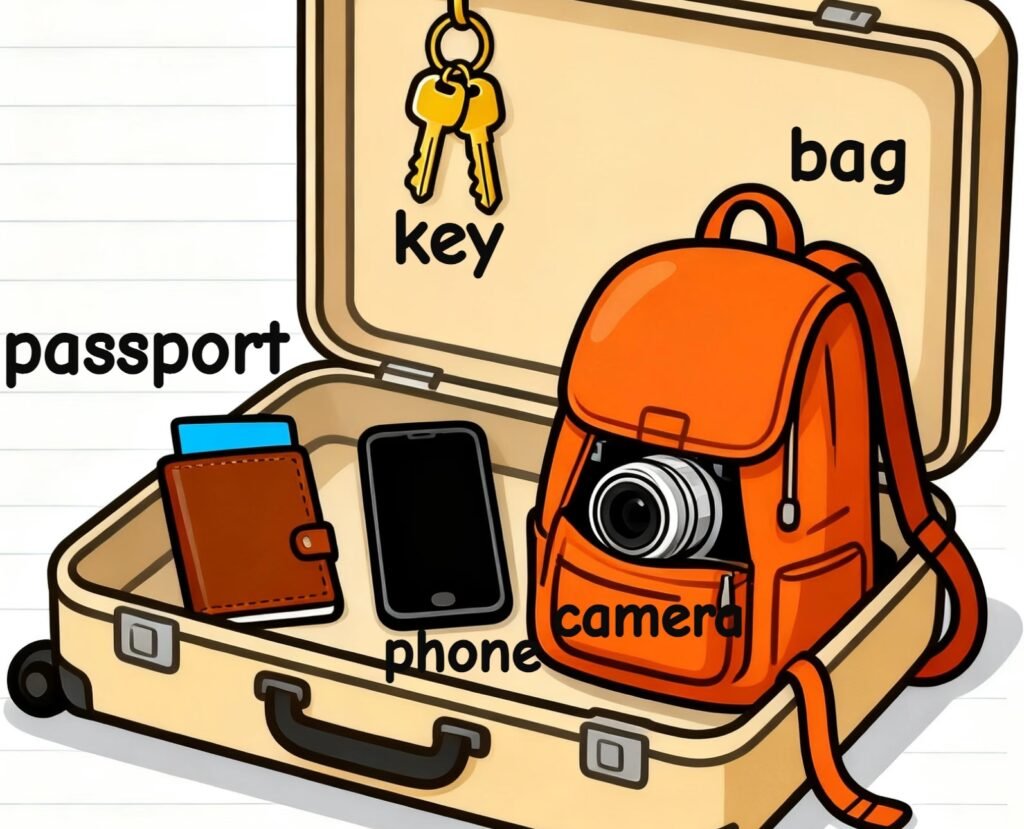
Once you’ve taken care of these essential preparations, it’s time to start packing for your trip. From your phone and charging accessories to clothing and everyday essentials, this checklist will help you go through everything you need and avoid leaving important items behind.
1. Electronics and Travel Gear
Once your essential arrangements are in place, pack the devices that will help you navigate, communicate, and enjoy your trip.
Essential Electronics
Smartphone with a protective case
Phone charger and charging cables
Portable charger or power bank
Universal travel adapter, if needed
Headphones or earbuds
Camera, if you want more than smartphone photos
Tablet or e-reader, optional
Laptop, if required for work or an extended trip
You probably don’t need every device on this list. For most sightseeing trips, a smartphone, charging cable, and suitable power bank are a practical starting point.
A laptop makes sense for remote work or longer stays, but it adds weight. A tablet or e-reader may be enough if you only want to read, watch downloaded entertainment, or access travel documents.
Helpful Digital Preparations
Download offline maps
Save important Chinese addresses
Download offline translation resources where available
Store booking confirmations and document copies
Keep a backup of essential travel information
You don’t generally need to bring a USB flash drive or multiple spare charging cables unless you have a specific reason to use them.
Packing tip: Put the charger and cable you use most often somewhere easy to reach. You’ll appreciate this during long train journeys, airport transfers, and full days of sightseeing.
2. Clothes and Shoes for Your China Itinerary
The right clothing depends on your travel dates, destinations, activities, and access to laundry. Rather than following a fixed number for every item, start with a small, versatile wardrobe and adjust it to your trip.
Everyday Clothing
For a trip of approximately one week, use the following as a starting point:
4–6 everyday tops
1–2 long-sleeved shirts or lightweight layers
2–3 pairs of trousers, shorts, skirts, or other bottoms suited to your itinerary
7 pairs of underwear, adjusted for laundry access
5–7 pairs of socks
Sleepwear
One versatile outfit for nicer restaurants or special occasions
Swimwear, if needed
These are reference quantities, not strict requirements. For a two-week trip with laundry facilities, you may not need twice as many clothes. For a multi-city itinerary without convenient laundry access, you may prefer to bring a few extra items.
Choose clothes that work together, dry reasonably quickly, and can be worn more than once.
Comfortable Walking Shoes
China trips often involve more walking than travelers expect. Exploring historic neighborhoods, visiting large museums, walking around ancient towns, and navigating railway stations can add up to many steps.
Bring:
One pair of comfortable walking shoes or sneakers
Sandals or lightweight casual shoes, depending on the season
Hiking shoes, if your itinerary includes demanding trails
Dress shoes, only if your plans require them
Wear your walking shoes before the trip so you know they fit comfortably. A new pair that causes blisters can quickly turn a sightseeing day into an uncomfortable one.
Outerwear and Weather Protection
Lightweight jacket or cardigan
Rain jacket or compact umbrella
Sun hat or cap
Sunglasses
Sunscreen
Additional warm layers when required by the forecast
A lightweight rain jacket can be particularly useful when traveling between destinations with different weather conditions. An umbrella is another practical option, especially for city travel.
What to Pack for Different Regions
Northern China: Beijing, Xi’an
For spring and autumn, consider layers and a wind-resistant outer layer, particularly if you plan to visit the Great Wall. In summer, lightweight clothing and sun protection are useful. Winter travel requires substantially warmer clothing, gloves, and other cold-weather accessories.
Southern China: Guangzhou, Shenzhen, and Other Warm Destinations
Prioritize breathable clothing, comfortable shoes, sun protection, and rain gear appropriate for the season. Hot and humid conditions can make lightweight, quick-drying fabrics especially convenient.
Southwestern China: Yunnan and Mountain Destinations
Check the elevation and weather for each stop. A trip that combines Dali, Lijiang, and nearby mountain areas may require both lightweight daytime clothing and warmer layers for cooler mornings and evenings.
City Breaks: Shanghai, Chengdu, Hangzhou, and Beyond
Versatile everyday clothing and comfortable shoes will usually be more useful than a large collection of formal outfits. Add clothing for special activities, such as hiking, cycling, or visiting upscale restaurants, if those are part of your plans.
The key is to pack for your actual itinerary, not for an imaginary trip that includes every possible activity.
3. Toiletries and Personal Care
You don’t need to bring your entire bathroom with you. Pack the products you use regularly, particularly those that are difficult to replace with a familiar alternative.
Personal Care Essentials
Toothbrush and toothpaste
Deodorant
Shampoo and conditioner, if needed
Body wash or soap
Moisturizer
Sunscreen
Lip balm
Razor and shaving supplies, if needed
Hairbrush or comb
Travel-sized products are useful for short trips. For longer stays, you can decide whether to bring larger quantities or purchase ordinary toiletries at your destination.
Personal and Specialized Items
Contact lenses, glasses, and required lens-care products
Feminine hygiene products, if needed
Personal skincare products
Nail clippers and tweezers, subject to airline restrictions
Any specialized personal-care products you rely on
If you have sensitive skin or need a particular formulation, bringing enough of your usual product for the trip can be worthwhile.
Small Everyday Conveniences
Tissues or pocket tissues
Wet wipes
Hand sanitizer
Small quick-dry towel, if your accommodation or activities require one
These items can be handy during long days out, on trains, or when facilities are less convenient than expected.
For carry-on luggage, check the liquid, aerosol, and gel restrictions that apply to your departure airport and airline.
4. Medication and a Small First-Aid Kit
You don’t need to carry a complete pharmacy. Focus on personal medical needs and a few basic supplies appropriate for your activities.
Personal Medication
Prescription medication for the duration of your trip
Relevant prescriptions or medical documents
Glasses or other essential medical accessories
Any regular over-the-counter products you know you can safely use
Keep essential medication accessible in your carry-on where permitted, and allow for travel delays when deciding how much to bring. Follow the storage instructions for medicines that require particular temperatures or handling.
Before packing any prescription medicine, especially controlled medication, check the applicable Chinese import rules.
Basic First-Aid Supplies
Adhesive bandages
Antiseptic wipes
Blister plasters, especially for walking trips
Any personally appropriate pain relief
Antihistamine, if you normally use one
Oral rehydration salts, if appropriate for your needs
Motion-sickness medication, if needed
You can adjust this list based on your medical needs, planned activities, and access to healthcare. Supplements such as probiotics are optional rather than essential for every traveler.
For hiking or remote destinations, consider whether your activities call for additional first-aid supplies and professional medical advice before departure.
5. Money, Documents, and Everyday Essentials
These are the items that are easy to overlook while focusing on clothes and electronics.
Money and Security
Primary bank card
Backup bank card stored separately
Some Chinese yuan (RMB), or a plan for obtaining it
A secure wallet or travel wallet
Bag with a secure closure, if appropriate for your itinerary
You don’t need a money belt unless you prefer using one. The more important habit is keeping your valuables secure and having a backup payment option.
Travel Documents
Passport
Visa or other required entry documentation
Travel insurance information
Hotel and transport confirmations
Emergency contact details
Copies of important documents stored separately
Keep your passport secure, but accessible when required for check-in, transport, or other identity checks.
Practical Extras
Reusable water bottle
Small day bag
Packing cubes, if useful
Laundry bag or separate pouch for worn clothes
A few resealable bags for organizing small items
Pen and small notebook, if you like taking notes
Snacks for long journeys, where permitted
A reusable water bottle is useful for many travel styles. Follow local guidance about drinking water and use suitable drinking-water sources rather than assuming that tap water is safe to drink untreated.
You can leave bulky equipment such as a water-purification system at home unless your planned outdoor activities specifically require it.
6. What You Probably Don't Need to Pack
One of the easiest ways to improve your packing list is to remove items that have no clear purpose.
Consider leaving these at home unless your itinerary calls for them:
Multiple spare charging cables when one reliable set is enough
A large collection of toiletries available in ordinary travel sizes
Too many formal outfits for a casual sightseeing itinerary
A laptop if you won’t use it
A large first-aid kit for a standard city trip
Water-purification equipment for a conventional hotel-based itinerary
A multi-tool or pocketknife that may create problems with airline or baggage rules
Business cards if you have no networking plans
Bulky travel accessories you have never used before
The same applies to entertainment. A book, downloaded films, or headphones may be all you need for long journeys. There’s no reason to pack several devices just because they might come in handy.
Before flying, check your airline’s rules for restricted items, lithium batteries, liquids, and cabin baggage. For items that may be regulated by Chinese customs, verify the current requirements rather than relying on a generic international packing list.
7. Customize Your Packing List for Your Trip
A good packing list should adapt to your itinerary. Here are three common travel scenarios to help you decide what deserves space in your luggage.
A Five-Day City Break
If you’re spending five days in Beijing, Shanghai, Chengdu, or another city, keep things simple.
Prioritize:
A small mix-and-match wardrobe
Comfortable walking shoes
A lightweight jacket suitable for the season
Your phone, charger, and connectivity setup
Payment cards and a backup payment method
Passport and booking details
Personal toiletries and essential medication
You probably won’t need hiking equipment, extensive first-aid supplies, or multiple pairs of specialized shoes.
A Two-Week Multi-City Trip
For a longer trip combining destinations such as Beijing, Xi’an, Chengdu, and Shanghai, think about flexibility rather than packing twice as much.
Prioritize:
Clothing that works across several outfits
Layers suited to the weather in each destination
Shoes comfortable enough for long sightseeing days
A plan for laundry
Reliable charging accessories
Offline copies of transport and hotel bookings
A manageable day bag for train journeys and excursions
Try to avoid packing for every possible scenario. A versatile wardrobe and a little advance planning can be more useful than an oversized suitcase.
A Hiking or Outdoor Adventure
If your trip includes the Great Wall, mountain trails, or outdoor activities in Yunnan, your requirements will be different.
Prioritize:
Appropriate walking or hiking shoes
Weather-resistant layers
Sun protection
A suitable daypack
Water and hydration supplies appropriate for the activity
Any activity-specific safety equipment
A first-aid kit suited to the trip
Check the actual conditions and difficulty of your planned routes. An urban sightseeing checklist should not be treated as sufficient preparation for a demanding outdoor excursion.
What About Winter Travel?
This guide focuses on non-winter packing, so add a separate cold-weather checklist if you’re visiting northern China in winter or traveling to high-altitude areas during colder months.
Depending on the conditions, you may need a warm insulated coat, thermal layers, gloves, a hat, warm socks, and shoes suitable for cold or slippery surfaces.
Always check the forecast for your exact destinations and dates.
Your Final China Travel Packing Checklist
Use this quick checklist in the days before departure.
Before Leaving Home
Check passport validity and applicable entry requirements.
Confirm flights, hotels, and important reservations.
Set up and test mobile payments where possible.
Arrange mobile data and check access to essential services.
Download offline maps, translation resources, and booking details.
Check plug compatibility and device voltage.
Review airline rules for power banks, batteries, and restricted items.
Check the rules for bringing your medication into China.
Review the weather for each destination.
Save emergency contacts and copies of important documents.
Before Closing Your Suitcase
Pack clothes appropriate for the season and itinerary.
Bring comfortable walking shoes.
Pack toiletries and personal-care essentials.
Bring necessary medication and supporting documents.
Pack charging cables and a compliant power bank.
Check that your payment methods and backup cards are ready.
Leave some room for souvenirs and purchases.
Final Thoughts: Pack for the Trip You're Actually Taking
The best packing list is not the one that includes everything. It’s the one that helps you feel prepared without making every journey between hotels, railway stations, and attractions harder than it needs to be.
For China, I’d give special attention to the things that help you navigate everyday life: a reliable phone setup, a workable payment plan, accessible travel documents, appropriate clothing, comfortable shoes, and any medication you genuinely need.
Everything else should earn its place in your suitcase.
Start with this list, remove what doesn’t apply, and adjust the quantities to your travel dates, destinations, and access to laundry. Check official requirements before departure, particularly for entry documents, medication, and domestic air travel.
Pack thoughtfully, travel comfortably, and leave yourself room to discover China along the way.
Happy travels!

BEIJING-HUTONG

MUTIANYU GREAT WALL

HONGKONG

SHAOLIN TEMPLE

XI'AN

QINGDAO

SUZHOU
HOME
ABOUT
DESTINATION
TRAVEL GUIDE

Get the occasional email from TripExpect — things worth knowing before or during your trip.
© 2026 TripExpectJouney All Rights Reserved
