Yolanda

Handling Power Conversion in China

Handling Power Conversion in China By xiaoyueJune 9 2025 Traveling with electronic devices like smartphones, laptops, or cameras can make your trip more enjoyable and convenient. However, keeping these devices charged in China requires some preparation due to differences in power specifications. Here’s what you need to know to ensure a smooth experience. 1. Understanding Plug Types China uses two main plug types: Type A: Two flat pins (similar to the United States, Canada, Japan, and Mexico). Type I: Three flat pins (similar to Australia, Argentina, and New Zealand). If your device’s plug doesn’t match these, you’ll need a universal travel power adapter to connect to Chinese sockets. Note that most hotels in China don’t provide adapters, so it’s best to bring your own. For reference, here’s a list of plug types by region: – Type A – China, Canada, USA, Japan and Mexico – Type B – Canada, USA and Mexico – Type C – Widely used in Asia, Europe and South America – Type D – India – Type E – Belgium, Czech Republic, France, Poland and Slovakia – Type F – Commonly used in Europe and Russia – Type G – United Kingdom, Ireland, Hong Kong, China, Malaysia, Malta and Singapore, as well as the Arabian Peninsula – Type H – Israel, Gaza Strip, and West Bank – Type I – China, Australia, Argentina and New Zealand – Type J – Liechtenstein and Switzerland – Type K – Denmark and Greenland – Type L – Italy, San Marino and Chile – Type M – South Africa – Type N – Standardized universal plug selected by the International Electrotechnical Commission (IEC), primarily used in Brazil and South Africa. – Type O – Thailand only 2. Understanding Voltage and Frequency China operates on a standard voltage of 220 volts (V) and a frequency of 50 hertz (Hz). This matches Europe and most Asian and African countries (220-240V), but differs from North America (110V/120V, 60Hz), some Central and South American countries, and Japan (100V, 50/60Hz). Most modern devices—like phones, laptops, and cameras—are wide-range voltage compatible (100-240V). Check your device’s label or charger to confirm. If your device supports 100-240V, you only need a universal travel power adapter. If your device is limited to 110V or 120V, you’ll need a voltage converter to avoid damage. 3. Preparation Suggestions For 220V-compatible devices: Bring a universal travel power adapter. For non-compatible devices: Get a voltage converter that adjusts the voltage and fits Chinese plugs. When selecting a voltage converter, ensure its power rating exceeds your device’s needs. A good rule of thumb is to choose a converter with a capacity 1.25 times higher than your device’s power usage. For example: A 1000W converter can safely handle devices up to 800W. A 2000W converter supports devices up to 1600W. You can buy converters before your trip or have them delivered to your hotel in China. 4. Tips Carry a spare power bank (rated below 100Wh, per Chinese airline rules) as a backup in case your adapter or converter fails. Alternatively, use shared power banks, widely available in Chinese cities. See the section below for details. Related News How to Use Shared Power Bank

Handling Power Conversion in China Read More »

How to Use Shared Power Bank

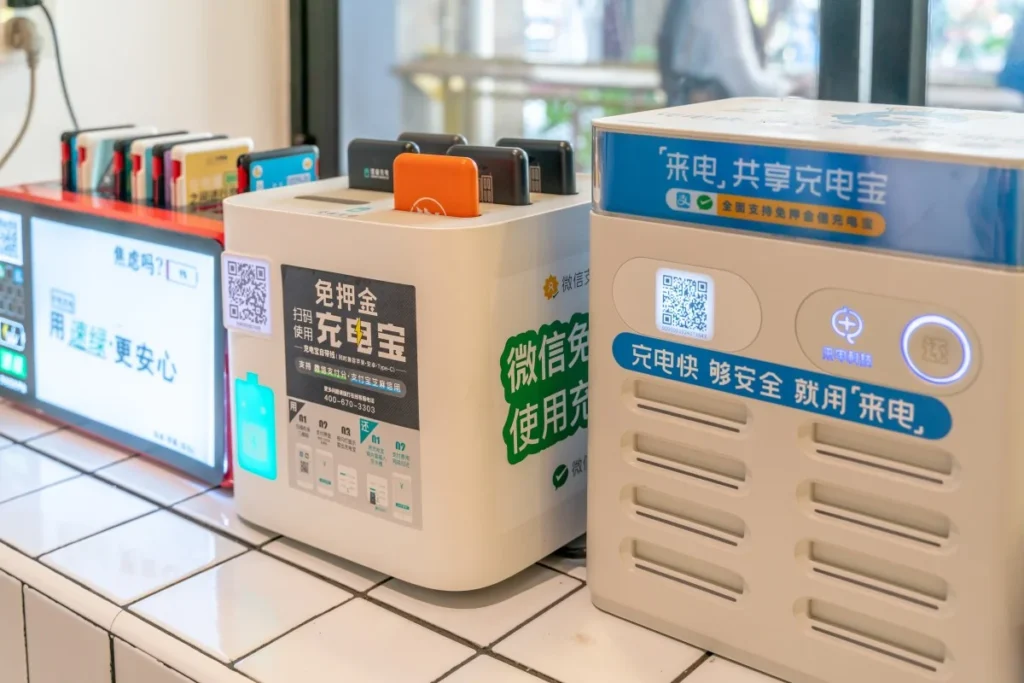
How to Use Shared Power Bank By xiaoyueJune 9 2025 When traveling, devices like phones and tablets are essential for photos, communication, or digital payments. Running out of battery can be a major hassle, so shared power banks—portable chargers you can rent—are a lifesaver. You’ll find them in shopping malls, restaurants, cafes, public transportation hubs, and tourist spots. Steps to Use Find a Station: Look for a box-shaped power bank station, often with a display screen. Scan the QR Code: Use WeChat or Alipay to scan the code, then follow the prompts to authorize or pay a deposit (e.g., 99 RMB). Rent the Power Bank: Once authorized, a power bank will pop out automatically. Charge Your Device: Pick the right charging port—most power banks offer three common types. Return It: After use, return the power bank to a station of the same brand. >>Why TPP? Due to the special plateau environment, the need for the protection of cultural relics, monuments and ecological systems, and the remote location of Tibet, the transportation and tourism reception capacity is limited. Therefore, only those who have a “letter of entry to Tibet”, that is, a “Tibet Travel Permit”, can be allowed to travel to Tibet. Cost Rental fees are typically 2-4 RMB per 30 minutes, depending on the city and location. Main Service Providers MeiTuan Anker Energy Monster Dian Safety Precautions Choose Trusted Brands: Use well-known providers for better quality and safety. Check the Device: Inspect the power bank for damage or tampering before use. Avoid Overcharging: Unplug your device once it’s fully charged to prevent issues. This guide will help you keep your devices powered and ready throughout your trip to China. Enjoy your travels! Related News Handling Power Conversion in China

How to Use Shared Power Bank Read More »

How to apply for a Tibet Travel Permit (TTP)

How to apply for a Tibet Travel Permit (TTP) By xiaoyueJune 8 2025 Tibet is located in the westernmost part of China, on the Qinghai-Tibet Plateau, with the world’s highest peak, Mount Everest, adjacent to Nepal and India, and we Chinese call it the “Pearl of the Plateau”. >>What’s TTP? The TTP is about the size of A4 paper, which is an official document issued by the government that notes the information of travel agencies, tourists and travel route arrangements, and is stamped with the official government seal and anti-counterfeiting label (QR code). >>Why TPP? Due to the special plateau environment, the need for the protection of cultural relics, monuments and ecological systems, and the remote location of Tibet, the transportation and tourism reception capacity is limited. Therefore, only those who have a “letter of entry to Tibet”, that is, a “Tibet Travel Permit”, can be allowed to travel to Tibet. >>Who needs to apply for TTP? All non-Chinese nationals and tourists from Taiwan, China >>How to apply for TPP? 1、Prepare the materials     A copy of a valid passport valid for at least 6 months     Chinese visa (not required for travelers from visa-exempt countries) 2、Entrust the local regular travel in Tibet to handle the TTP 3、After the application was successful, he entered Tibet with the delegation >>What you need to know about TTP The letter of entry into Tibet can only be handled by a travel agency in Tibet, and thepersonal identity of a foreigner cannot be handled directly You can’t go to Tibet independently, you must travel in an organized way, you need to report the itinerary and time in advance by the local travel agency, and arrange the whole process with a car, tour guide, etc., and the purpose of the period in Tibet is limited to tourism. You must apply for TTP in advance before you can buy and take trains and planes into Tibet. The processing period usually takes 1-2 weeks, so please arrange your itinerary in advance After the TTP is completed, passengers who take the train can directly buy tickets and take the train to Tibet, without the need for paper TPP; Visitors who enter Tibet by plane must have the original TPP to board the plane, so they need to wait for the travel agency to lend the original TTP to the passenger >>Other additional notes: Tourists who only go to Lhasa, Shigatse, and Namtso scenic spots only need a letter of approval for entering Tibet. Nyingchi, Mount Everest and other scenic spots, in addition to the approval letter for entering Tibet, also need to be handledAlien Travel DocumentThe official fee is 50 yuan/person. In non-open areas such as Bomi, Shannan, and Ali, the approval of the military region is also required, and the processing time takes about half a month, so please go to these places more than 20 days in advance for team confirmation. The TTP itself is officially free of charge, but travel agencies usually charge a service fee depending on the complexity of the application procedures required for the group itinerary. Related News CHINA VISA China Visa(Hong Kong、Macau )

How to apply for a Tibet Travel Permit (TTP) Read More »

Which Navigation App Should I Use When Traveling in China?

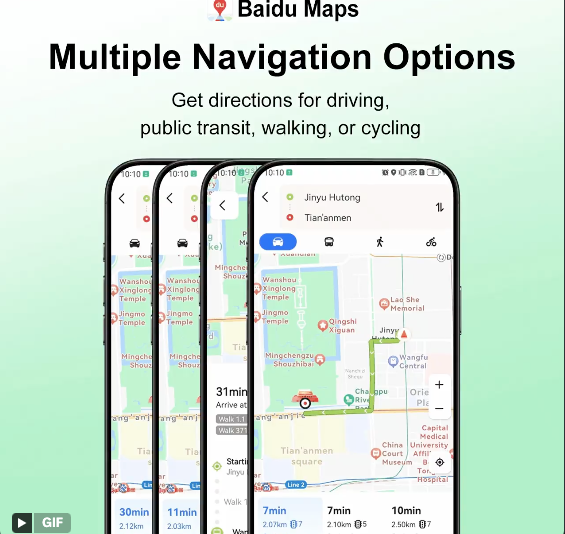
Which Navigation App Should I Use When Traveling in China? By xiaoyueJune 8 2025 Navigation software is essential for modern travel, but choosing the right app can be challenging for international visitors to China. For iPhone and Mac Users If you’re using Apple devices, Apple Maps actually works better than Google Maps in China. It offers an English interface and functions without requiring a VPN, making it a convenient choice for iOS users. For Android Users   If you’re using Apple devices, Apple Maps actually works better than Google Maps in China. It offers an English interface and functions without requiring a VPN, making it a convenient choice for iOS users. Recommended Chinese Navigation Apps Until recently, Chinese mapping apps weren’t practical for international travelers unless they could read Chinese. However, both major Chinese mapping platforms now offer multilingual support, making them highly recommended options: Amap (Gaode Maps) – Highly Recommended for Both iOS and Android  Amap is the top recommendation for travelers in China: Key Features:  Widely used throughout China (owned by Alibaba, same company as Alipay) Provides real-time traffic information Multiple transportation modes: driving, public transit, cycling, walking Integrated taxi booking functionality Multilingual interface available in English, Japanese, and Korean Location names are primarily displayed in Chinese Optional registration for syncing favorites across devices Comprehensive offline maps Phone number registration can be skipped without affecting functionality Baidu Maps – Strong Alternative Option Baidu Maps is another excellent choice: Key Features: Widely used across China (developed by Baidu, China’s major search engine company) Excellent AR walking navigation feature Comprehensive street view imagery Dual-language interface support Particularly strong for public transportation routes No mandatory registration required Registration optional but unlocks additional features like location history Offline maps available Apple Maps – Good for iOS Users For iPhone users, Apple Maps deserves consideration: Advantages: Native English search, display, and navigation functions Works directly in China without additional setup Familiar interface for Apple users Limitations: Updates in China are sometimes delayed Occasional accuracy issues due to slower data updates Google Maps – Familiar but Limited While you’re likely familiar with Google Maps, its functionality in China is restricted: Requires VPN access Reduced reliability and accuracy Best used as a backup option alongside Chinese apps Useful for English searches and international POI recognition Strategic Usage Tips A、Multi-App Approach Primary Navigation: Use Gaode for driving and cycling; Baidu for walking with AR assistance International Reference: Keep Google Maps for English searches and global location names Offline Backup: Consider Maps.me or HERE WeGo for offline capabilities B.Chooseby Transportation Mode Driving: Gaode offers the best traffic insights; Baidu is also reliable Public Transportation: Baidu provides more detailed bus and train route information、 Walking: Baidu’s AR navigation feature excels for pedestrian navigation Cycling: Gaode considers terrain and cycling-specific routing Intercity Rail: Use dedicated apps like 12306 or High-Speed Rail Assistant for bookings, then use Gaode for station navigation C、LanguageConsiderations Both Gaode and Baidu offer English interfaces but may display location names primarily in  Chinese Google Maps remains ideal for international travelers seeking English content, despite reduced reliability in China Consider downloading translation apps to help with Chinese place names Final Recommendation For the best experience traveling in China, download both Gaode and Baidu Maps before your trip. Use them as your primary navigation tools while keeping Google Maps as a supplementary reference for English searches. This multi-app strategy will ensure you have reliable navigation regardless of your location or transportation method within China. Related News Transportation Guide for Traveling in China

Which Navigation App Should I Use When Traveling in China? Read More »

Transportation Guide for Traveling in China

Transportation Guide for Traveling in China By xiaoyueJune 7 2025 How to Get Around Like a Local Exploring Chinese cities is easier than ever, thanks to a highly developed and affordable transportation network.Whether you’re strolling the hutongs in Beijing, admiring skyscrapers in Shanghai, or exploring the ancient charm of Xi’an, this guide will help you travel like a local — with confidence. Subway (Metro) China’s major cities such as Beijing, Shanghai, Guangzhou, Shenzhen, Chengdu, Xi’an, Hangzhou, and Nanjing have well-developed subway or light rail systems that are modern, efficient, and budget-friendly. You can purchase tickets via vending machines (most offer English), or more conveniently, use QR codes by generating a ride code via metro apps, WeChat, or Alipay — this method is highly recommended.Simply scan the QR code or tap your metro card at the turnstiles to enter and exit. In many cities, you’ll go through a security check before entering the subway — similar to airport security but typically less strict. Fares typically start at ¥2 (~$0.30 USD) and increase depending on distance (up to ¥6–¥10). Some cities offer discounts for transfers. You can also use Alipay’s “Transport” feature to generate a QR code, scan it at the gate, and the fare will be automatically deducted from your linked bank card. In Beijing, contactless payment is also supported directly via international bank cards (Visa, Mastercard, JCB), and this feature is expanding to other cities. Subway systems are very busy during weekday rush hours (7:00–9:00 and 17:00–20:00). If possible, try to avoid these times. If you’re onboard during crowded hours, stay balanced and keep an eye on your belongings. Public Buses  China’s bus systems are extensive and inexpensive, connecting even suburban and rural areas. Most buses operate on a board at the front, exit at the back basis, and are driver-only — no onboard ticket sellers.You’ll need to scan a QR ride code as you board. This is standard in cities like Beijing, where cash is no longer accepted on buses. You can get your QR code via Alipay, WeChat, or dedicated transit apps. Some cities still accept cash (coins or small bills), but you won’t get change, and it’s not recommended. Fares vary: many routes have flat fares (typically ¥1–¥3), while longer or express lines use a tiered pricing system, requiring you to scan when boarding and alighting. Note: Air-conditioned or express buses may cost slightly more. Ride-Hailing (e.g. Uber-like Apps) Ride-hailing is a common and reliable mode of transportation in China. The most popular platform is DiDi, which offers services like: Instant Ride(like Uber) Taxi Hailing Scheduled Pickups Airport Pickups Rides for Others You can download the DiDi app from the Apple App Store or Google Play. It supports: English interface (adjust under Settings → General → Language) Registration with international phone numbers Payment via international bank cards If you’re already using Alipay or WeChat with a linked card, you can also pay for rides directly within those platforms — no need to rebind your card. Shared Bikes Want to experience local life on two wheels? In China’s cities, you’ll find shared bikes around every corner — especially near subway and bus stations. You can easily rent a bike by scanning the QR code on the frame with WeChat, Alipay, or other dedicated apps. Major providers include: Didi Green Orange: Green bikes accessible via Didi app or WeChat Hello Ride: Blue bikes accessible via Alipay Meituan Cycling: Yellow bikes accessible via Meituan, Alipay, or WeChat We highly recommend downloading Alipay and WeChat in advance — these “super apps” are essential for a smooth experience in China. Each ride usually costs around ¥1.5, paid through your digital wallet or linked bank card. You must end the ride in the app and park the bike in designated areas, which are clearly marked both on the ground and in the app’s map. ⚠️ Please follow traffic rules, use bike lanes, and watch for vehicles and pedestrians. Related News Which Navigation App Should I Use When Traveling in China?

Transportation Guide for Traveling in China Read More »

Accessing the Internet in China: A Friendly Guide to VPNs and eSIMs

🌏Accessing the Internet in China: A Friendly Guide to VPNs and eSIMs By xiaoyueJune 7 2025  Hey there, fellow travelers! So you’re planning a trip to China and wondering… will I still be able to use the internet like I do back home? Will I be able to check Instagram, message my friends, or Google something when I’m lost in a city of 20 million? Let me reassure you — yes, absolutely! The internet here is super developed. We pretty much live on our phones — paying for things, chatting, ordering food, even unlocking shared bikes. For most Chinese people, a phone is all we carry when we go out. But… here’s the honest truth. Accessing the international internet in China isn’t always as straightforward as you might be used to. Apps and websites like Google, WhatsApp, Instagram, YouTube, Facebook, and X (Twitter) are all blocked in mainland China. But don’t worry — I’ve got you covered. With just a bit of prep, you’ll be able to get online as easily as if you were back home. I’ve personally tested the options I’m about to share, so you’re getting the real deal, not just theory. Two Ways to Stay Connected to the World While in China Use a VPN – best for longer stays or if you need full access to everything Get an eSIM card – great for short trips and super easy setup Let me break them down for you. ✅ Option 1: Use a VPN (My Go-To Solution) Let’s start with the VPN, because this is what I personally rely on 90% of the time. A VPN (Virtual Private Network) helps you bypass China’s internet restrictions so you can access your favorite sites and apps just like you would at home. But — and this is important — not all VPNs work in China. Many are blocked or super unstable once you arrive. I’ve tried a bunch over the years, and these are the ones that consistently work well inside China: 🔥 My Trusted VPN Picks: >>Astrill: This one’s a powerhouse — fast, stable, and super popular with expats and long-term travelers in China. You get 5 simultaneous connections and a 7-day money-back guarantee. It’s a bit pricey, but honestly, it works. https://www.astrill.com What I like: Reliable even during internet crackdowns. It’s a bit pricey, but definitely worth it if you’re staying for a while. >>LetsVPN Specifically designed for use in mainland China — it’s fast, stable, and much cheaper than the big international brands. A lot of locals and foreign friends I know swear by this one.👉 https://letsvpn.world 💡 What I like: Affordable and surprisingly reliable for daily use. Great for budget travelers. >>ExpressVPN Probably the most famous VPN out there. Decent speed, easy to use, and works well most of the time in China. Comes with a 30-day no-questions-asked refund, which is nice.👉 https://www.expressvpn.com 💡 Heads up: Some users report inconsistent performance in China. I keep it as a backup just in case. Of course, feel free to use any other VPN you trust — just make sure it’s been tested in China. Super Important: Download and install your VPN before you get to China. Once you’re here, most VPN websites and app stores are blocked, and you may not be able to download them anymore. Besides the official websites, you can also download the VPN apps you need from Google Play or the Apple App Store. 📱 Option 2: Get an eSIM Card (Perfect for Short-Term Travelers) Not planning to stay long? Don’t want to deal with VPNs? Then an eSIM card might be your new best friend,It can also help you bypass firewalls and access the network freely. What’s an eSIM?It’s a digital SIM card that lets you connect to data networks in China (and sometimes beyond) without needing a physical card. Super handy — and way cheaper than international roaming. 🟡 A few things to note: eSIMs only support data — no calls or texts They don’t come with a phone number, so you can’t use them to sign up for Chinese apps like WeChat or Alipay They’re ideal for browsing, using Google Maps, or messaging on apps like WhatsApp (if you’re also using a VPN) ✅ Before you buy an eSIM, check: That your phone supports eSIM iPhone: Go to Settings → Cellular to see if “Add eSIM” is an option Android: Check under Mobile Network → SIM card management Or dial *#06# and look for an “EID” — if it’s there, you’re good! That your phone is unlocked Ask your carrier to be sure >>Hong Kong eSIM (Multi-Region Coverage) These work in China, Hong Kong, Macau, and Taiwan, with great stability and cheap rates. I recommend buying from Trip.com — tons of travelers I know have used them with great success. (Trip.com is the global arm of Ctrip, China’s biggest travel platform.) >>Global eSIM Providers If you want something even more flexible, check out: AiralO/GigSky/Truphone/Ubigi/T-Mobile. For short trips in China, I suggest Airalo, GigSky, or Truphone,they offer affordable and flexible packages. If you’re hopping between countries in Asia, Ubigi or T-Mobile might be better. Tip: Some eSIM cards will require network activation after arriving at your destination, otherwise they may not work, so please make sure you are clear when purchasing. Final Tips from Me Before You Land in China   Here’s a quick checklist I always tell my fellow travelers:   Install your VPN before you arrive Download offline maps (trust me, it helps) Test your eSIM or SIM before flying Bring a power bank — your phone will be your lifeline here Don’t panic if things don’t work right away — be patient, and ask locals for help That’s it from me! With just a little planning, you’ll be totally fine — browsing, posting, calling, and navigating without any problems.   See you on the other side of the firewall! Related News How do I Get a Chinese Phone Card?

Accessing the Internet in China: A Friendly Guide to VPNs and eSIMs Read More »

payment in China2

How to Pay Easily in China

How to Pay Easily in China By xiaoyue Update June 6.2025 Maybe you have heard and seen some information about how to pay in China from friends or the Internet, as a native Chinese, let me tell you more and more accurate information, and be prepared so that you can immediately pay as a local when you arrive in China. In our daily life, we rarely use cash to pay, let alone use physical bank cards to make purchases, but we can still see POS machines for swiping cards in some high-end hotels or restaurants that foreigners often go to. All we need is a smartphone that can help you with almost everything you need in life. In addition to payment, I will introduce other mobile app features to you in other articles.  Paying with smartphones is part of our daily life in china. It can be a bit like Apple Pay, but hardly anyone uses it in China. The most commonly used payment software is AliPay or WeChatpay, which you can learn more about through the links below. How to Use Alipay ? Alipay is part of Alibaba, China’s largest e-commerce company, you may have heard of Taobao (similar to ebay) and yes, it is also part of Alibaba. Alipay is now China’s largest mobile payment platform, and is widely used as a payment tool in everyday life. Here’s a chart to show you how to sign up and use Alipay. Now Alipay supports international mobile phone number registration, s Alipay can bind almost all types of international bank cards, such as Visa, Mastercard, Diners Club, Discover, JCB, as well as mainland China bank cards with ‘Union Pay’ logo. When you need to pay, you can click ‘scan’ to scan the merchant’s payment code, enter the amount, click to confirm the payment and finish. Alternatively, click on ‘pay’ to present the payment code and the merchant scans it to make the payment, which usually happens in relatively large shops. Mini Programs of Alipay:Alipay has embedded a lot of mini-programs, such as taking the bus, online car, booking hotels, ordering takeout, etc., of course, these small programs usually have their own independent APP. This way to provide users with a lot of convenience, eliminating the need to download multiple APPs and the trouble of switching between different APPs.   Here are a few common functions For bus/subway/rides. Internet taxi, shared bicycle, shared charging treasure, translation, exchange rate inquiry Translation: Supports text, voice and photo translation Didi travel:Internet taxi (similar to Uber), also with a stand-alone app (link: see “Getting around like a local – by taxi or internet taxi”) Hello ride:Shared bikes, swipe and ride, automatic deduction (link: see Getting Around Like a Local – Riding a Shared Bike) Railroad 12306:Official ticket purchasing channel with independent APP Dian.so:xiaodian:Shared charging treasure, scan code – take out the charging treasure – use – return the charging treasure – automatic deduction of charges TripHotels: Hotel Reservation Ele:takeaways Important: If you encounter any problems while using Alipay, then you can get help in the following three ways。 Official Website: https://cshall.alipay.com/lab/selfHelp.htm overseas users customer service hotline: +86 571 95188 x:@Alipay How to use WeChatpay ? WeChat,we called ‘WeiXin’ in China, is a comprehensive instant messaging and social networking tool (similar to WhatsApp) that is widely used in China, and belongs to Tencent, another Internet giant in China. WeChat pay is actually a payment module integrated in WeChat, which is also widely used for daily payments, even more frequently than Alipay. With this official WeChat video below, you’ll learn how to sign up for WeChat and use WeChatpay https://tripexpect.com/wp-content/uploads/2025/06/d4a6a85b903f3235f8f31e8142555093.mp4 WeChat supports the registration of international phone cards and the binding of international bank cards. If you want to use a Chinese phone card to register, you will have more abundant functions to use, such as transferring or buying insurance, etc. If you want to know how to buy a cheap and good Chinese SIM card, please see ‘How to communicate and access the Internet during travelling in China like in your own country Using WeChatpay while traveling in China is a great option. Using WeChatpay while traveling in China is a great option. You can also use the WeChat Mini Program to easily complete your ticket booking! https://tripexpect.com/wp-content/uploads/2025/06/60ade5ad62907f7e2a652101e081d657.mp4 By entering the name of the venue you want to book in the WeChat search bar (English supported), the official booking applet or public number will be displayed in the search results, click on it to enter, and then you can book your tickets. IMPORTANT: You can visit the wechat help center directly if you have any questions about wechat payment, card binding and usage. Website:https://help.wechat.com/oshelpcenter?lang=en  Finally, there are a few more suggestions for you to use mobile payment in China. 1、Alipay and WeChat are both widely used, and WeChat is used more frequently, you can choose according to your personal preference, but Alipay is better for international travelers, in fact, I suggest you can download both apps in your phone, just in case one of them has problems. 2、 Paying with your samrt phone requires an internet connection. For more information on how to access the internet in China, see “How to communicate and access the internet during your trip to China as if you were in your own country?”. 3、Of course, if you are accustomed to using cash, you can do so, but many stores will not have enough change, which may cause you trouble or inconvenience. In any case, it is recommended that you exchange a small amount of Chinese cash (RMB), usually no more than RMB 500, before you leave, just in case. 4、Sometimes, you may find that you can’t pay after scanning certain payment codes, and the bound bank card (non-Chinese debit card) is displayed in gray and can’t be used. This is because the payment code is a personal code, not a company code, and you can’t use an international card or credit card (even if it’s a Chinese credit card) to pay directly, which is

How to Pay Easily in China Read More »

China Visa — Quick Reference

China Visa — Quick Reference By Byron Update Oct. 10.2025 Hey  Hyrox athletes – huge welcome to China! Let’s quickly chat about China Visa. Great news: many of you can enter China ​​without a visa at all!​​  Depending on your different nationalities, no matter where you come to China from, there are three forms of visa free that you can choose from, namely transit visa-free, unilateral visa-free and mutual vis-afree. Perfect if you’re just here for the competition and some quick exploring! Three types for Visa-free Visa-free Type​​ ​​Transit Visa-free (240-hour) ​​Unilateral Visa-free ​​Mutual Visa-free ​​Applicable Countries​​ ​​Europe (40)​​:Austria, Belgium, Czech Republic, Denmark, Estonia, Finland, France, Germany, Greece, Hungary, Iceland, Italy, Latvia, Lithuania, Luxembourg, Malta, Netherlands, Norway, Poland, Portugal, Slovakia, Slovenia, Spain, Sweden, Switzerland,Russia, United Kingdom, Ireland, Cyprus, Bulgaria, Romania, Ukraine, Serbia, Croatia, Bosnia and Herzegovina, Montenegro, North Macedonia, Albania, Belarus, Monaco. ​​Europe (32)​​: Andorra, Austria, Belgium, Bulgaria, Croatia, Cyprus, Denmark, Estonia, Finland, France, Germany, Greece, Hungary, Iceland, Ireland, Italy, Latvia, Liechtenstein, Luxembourg, Malta, Monaco, Montenegro, Netherlands, North Macedonia, Norway, Poland, Portugal, Romania, Slovakia, Slovenia, Spain, Switzerland Europe (5 ):Albania, Belarus, Bosnia and Herzegovina, Serbia, San Marino ​​Americas (6)​​: USA, Canada, Brazil, Mexico, Argentina, Chile ​​Americas (5)​​: Argentina, Brazil, Chile, Peru, Uruguay Americas (7):Antigua and Barbuda, Barbados, Bahamas, Dominica, Ecuador, Suriname, Grenada Oceania(2):Australia, New Zealand Oceania (2): Australia, New Zealand Oceania (4 ):Solomon Islands, Tonga, Fiji,Samoa ​​Asia(6)​​: Japan, South Korea, Singapore, Brunei, UAE, Qatar ​​Asia(8)​​: Japan, Malaysia, South Korea, Brunei,audi Arabia, Oman, Kuwait, Bahrain Asia (9 ):Thailand, Singapore,Maldives, Kazakhstan, United Arab Emirates, Qatar, Armenia, Georgia,Uzbekistan     Africa (2):Mauritius, Seychelles ​​Duration​​ 10 days ​​15-30 days​​ 30 days​​ ​​Stay Area​​ ​​Designated areas in 24 provinces​​ (e.g., Beijing, Shanghai, Guangdong; cross-province travel permitted within zone) ​​Nationwide​​ (all open ports) ​​Nationwide​​ (all open ports) ​​Procedure​​ 1. Hold valid passport + ​​confirmed onward ticket​​ to third country2. Apply for Temporary Entry Permit at border inspection Direct entry with passport + ​​proof of itinerary​​ (e.g., return ticket, hotel booking) Direct entry with passport; some require additional docs (e.g., Uzbekistan: onward ticket for >30-day stays) ​​Extension​​ Overstay requires application for stay permit from local PSB Beyond 30 days requires visa; emergency extensions via PSB Generally ​​not extendable​​; overstay requires visa application ​​Remarks​​ Must leave for third country(0r area) within 240 hours; ​​no work/study​​; For tourism/business/family visits only; ​​no work/study​​ Must comply with purpose of visit; ​​work/study require separate visas​​ Not from a visa-free country? Or perhaps you’d like to stay longer and travel around China after your race? No problem! Simply apply for a Tourist Visa (L Visa), which allows you to explore China for up to 90 days. The process is straightforward: Apply online via China’s visa application website.Online visa portal: https://cova.mfa.gov.cn  Visit your nearest Chinese embassy or consulate with your passport and photo.That’s it! Minimal paperwork, and you’re good to go. Note: Online visa applications are not available for all countries. Please verify eligibility before starting. For detailed information on China’s visa-free policies or step-by-step visa application guidance, click read more! Read More

China Visa — Quick Reference Read More »

CHINA VISA

CHINA VISA By xiaoyue Update June 6.2025 Hi friends! Welcome to China! It’s an ancient country with a 5,000-year history of civilization and the world’s fastest-growing economy in recent decades, and you can see it change every day. You’ll love it and make the trip worthwhile. Before you set off, you must want to know how to apply for a visa to China? How to handle it? First of all, I want to tell you that it is very convenient to travel or go on a business trip to China now, because China implements “visa-free” treatment for many countries, including “transit visa-free”, “unilateral visa-free” and “mutual visa-free”, and tourists from a total of 117 countries around the world can enjoy various “visa-free” policies.   Even if you can’t enter the country without a visa, don’t worry too much, because it is very easy to apply for a Chinese visa such as a tourist visa, and if you are interested, you can see the introduction at the end of the article. How to enter China “visa-free”. At present, there are three types of “visa-free” entry into China, which are “240-hour transit visa exemption”, “unilateral visa exemption” and “mutual visa exemption” for people holding passports from different countries. 1、240-hour transit visa-free This is currently one of the most widely available and convenient ways to travel to China. Holders of ordinary passports from 54 countries, including Russia, Brazil, the United Kingdom, the United States, and Canada, who transit from China to a third country (or region), can come to China visa-free from any of the 60 ports open to the outside world in 24 provinces (autonomous regions and municipalities), and stay in the designated area for no more than 240 hours. It should be noted that the “third country (or region)” includes Hong Kong, Macau and Taiwan, which will bring great convenience to your trip to China. >> Applicable Countries: Asian (6 countries):South Korea, Japan, Singapore, Brunei, United Arab Emirates, Qatar. Schengen Agreement countries (25 countries):Austria, Belgium, Czech Republic, Denmark, Estonia, Finland, France, Germany, Greece, Hungary, Iceland, Italy, Latvia, Lithuania, Luxembourg, Malta, Netherlands, Norway, Poland, Portugal, Slovakia, Slovenia, Spain, Sweden, Switzerland. Other European countries (15 countries):Russia, United Kingdom, Ireland, Cyprus, Bulgaria, Romania, Ukraine, Serbia, Croatia, Bosnia and Herzegovina, Montenegro, North Macedonia, Albania, Belarus, Monaco. Americas (6 countries):United States, Canada, Brazil, Mexico, Argentina, Chile. Oceania(2 countries):Australia, New Zealand. >> Applicable: ports60 ports in 24 provinces and cities in China can be used as entry and exit ports, of which the core hubs are: Beijing Capital Airport, Beijing Daxing Airport, Shanghai Pudong Airport, Shanghai Hongqiao Airport, Guangzhou Baiyun Airport, Shenzhen Bao’an Airport >> Length of stay: Up to 240 hours, i.e. 10 days >>Stay area: The 24 provinces and cities where the ports of entry are located are all permitted to stay, and most of the provinces and cities are open to the whole territory, but some provinces are only open to designated areas, such as Shanxi Province, Jiangxi Province and Guangxi Province; At the same time, it is possible to travel across provinces within the permitted stay range of 24 provinces and cities (Attached: List of Ports of Entry and Stay Areas). >> Eligibility Flight and visa requirements:You must have a connecting ticket (or supporting documents) and a valid visa (if required) to a third country or region Passport:A passport or other valid international travel document must be valid for at least 3 months and have no record of illegal presence. Eligible transit routes:A valid transit route must follow the following format: Country A (or region) → China → Country (or region) C.1、Countries A and C must be different. Hong Kong, Macau, or Taiwan can be used as A or C.2、For example,“U.S. → Beijing → Hong Kong” is an eligible route.“The United States→ Beijing→ Shanghai→ South Korea” is a valid itinerary. Air travel only: This policy only applies to passengers entering by air >> How to apply: Fill out the “Temporary EntryAlien Arrival Card”. Submit a valid passport, a connecting ticket to a third country or relevant certificates, and a migration card at the border control counter at the port of entry A temporary entry permit is issued after review Collect your baggage and go through customs >> Important 1、Calculation of visa-free time: Starting time: The starting time of visa-free 240-hour entry is calculated from 0:00 a.m. the next day, and the day of entry is not counted as the time of stay. Time limit for departure: before 24 o’clock on the day of expiration. For example, if a passenger enters the country from Beijing Capital Airport at 15:00 on August 20, 2025, the stay period will be calculated from 0:00 on August 21 to leave before 24:00 on August 30. 2、Temporary residence is acceptable: If the application is approved, the temporary residence permit will be stamped on the passport. If you already have a valid Chinese visa, please inform the staff to use the visa-free option. 3、Local Police Registration: Visitors staying longer than 24 hours must register with the local police. The hotel usually does this on your behalf, but visitors staying with friends or family will have to go to the police station in person. 4、Extension: If you are unable to leave the country within the stipulated time due to unforeseen circumstances (such as flight cancellations), you must go to the Public Security Bureau to apply for a visa, otherwise you may face fines or restrictions on entry 5、Transit visa exemption applies: Travel, business, visits, family visits, etc., but for activities that require prior approval such as work, study, and news gathering, you still need to obtain a visa in advance. Appendix: Ports of entry and areas of stay applicable to the 240-hour visa-free transit policy Province Entry Ports Permissible Area of Stay  Beijing Beijing Capital International Airport /Beijing Daxing International Airport  the whole province Tianjin Tianjin Binhai International Airport / Tianjin Port (Passenger Transport) the whole province Hebei Shijiazhuang Zhengding International Airport / Qinhuangdao Sea Port (Passenger Transport)  the whole province Liaoning Shenyang Taoxian International Airport/Dalian Zhoushuizi International Airport

CHINA VISA Read More »

Macau,,Downtown,City,Skyline,,Cityscape,Of,China,At,Sunset

China Visa(Hong Kong/Macau )

Hong Kong Visa Policy Overview By xiaoyueMay 13 2025 General Information Tourists from over 160 countries can visit Hong Kong visa-free, with stay durations ranging from 7 to 180 days depending on nationality. However, travelers intending to work, study, establish or join a business, or extend their stay beyond the visa-free period must apply for a Hong Kong visa in advance. Citizens of non-visa-free countries also need to secure a visa before traveling to Hong Kong, as obtaining one on arrival is highly unlikely. Although Hong Kong is part of China, it operates as a Special Administrative Region (SAR) with independent immigration policies. A Chinese visa does not grant entry to Hong Kong, nor does a Hong Kong visa permit entry into Mainland China. Hong Kong generally welcomes foreign visitors, whether for tourism or overseas business activities such as attending trade fairs, training, or client meetings. The visa rules have remained largely consistent with those established during British administration prior to the SAR’s return to Chinese sovereignty. It’s important to note that entry into Hong Kong is at the discretion of immigration authorities, even with a valid visa. The information provided applies to travelers with standard passports; diplomatic, service, or restricted passports may have different requirements. Do You Need a Visa for Hong Kong? Most tourists do not require a visa to visit Hong Kong. Check the Hong Kong Visa Exemption List for details. Upon arrival, visitors receive a landing slip instead of a passport stamp. This slip includes the visitor’s personal information, entry date, and conditions or limits of stay. No slip or stamp is issued upon departure. Visa-Free Stay Durations by Nationality: British nationals: Up to 180 days. USA, Canada, Australia, New Zealand, most European countries: Up to 90 days. Other countries: 7, 14, or 30 days based on nationality. Citizens from some countries require a visa for any entry into Hong Kong. Most tourists can also travel visa-free from Hong Kong to Macau, which has similar policies. Returning to Hong Kong after visiting Macau is typically straightforward, provided there is no violation of immigration rules (e.g., engaging in unauthorized business). For longer stays, applying for a visa before travel is advisable, though approval is at the discretion of the consular office. Special Note for Indian Nationals:Since January 23, 2017, Indian citizens must complete a successful pre-arrival registration online before entering or transiting through Hong Kong visa-free. This requirement does not apply to Indians in direct air transit who remain in the airport’s transit area. Basic Entry Requirements for All Foreign Visitors To enter Hong Kong, travelers must meet the following conditions: Hold a passport valid for at least one month beyond the intended stayor visa expiration. Properly complete an immigration card upon arrival. Possess a visa if required based on nationality. Provide proof of onward or return travel arrangements. Demonstrate sufficient funds for the stay without needing to work (determined by immigration). Have no serious criminal record, and pose no security risk. Although the last three conditions are rarely checked for visitors from Western countries, all travelers should be prepared for possible verification. Additionally, check airline policies, as they may deny boarding if entry requirements are not met. Major Types of Hong Kong Visas Hong Kong offers various visa types, including: Tourist Business Transit Employment and Investment Training Working Holiday Study Residence as Dependents Applying for a Hong Kong Visa Visitors are generally not allowed to change visa types or apply for a visa after arrival in Hong Kong. However, travelers can exit Hong Kong and reapply for a visa if needed. Application Details: Where to Apply Required Documents Processing Time Fees For comprehensive information and application forms, visit the Hong Kong Immigration Department website. Macau Visa Policy Overview General Information Macau generally adopts an open approach toward admitting tourists and short-term business visitors. Nationals from 81 countries are exempt from obtaining a visa for a specified period, while citizens from other countries can typically apply for a visa upon arrival at the border. Changes to Visa Policy:As of 1 July 2010, nationals from Bangladesh, Nepal, Nigeria, Pakistan, Sri Lanka, and Vietnam must obtain a visa before arriving in Macau. Visa-on-arrival services are no longer available for these nationalities. The Macau SAR Government continuously reviews its immigration policies to maintain effective control, prevent illegal immigration, and ensure public safety. Diplomatic Passport Holders:Diplomatic passport holders continue to enjoy visa-free access to Macau. Additionally, consular officials from the six mentioned countries, as well as officials of international organizations stationed in China, and their families, may apply for an entry permit upon arrival using their diplomatic or consular identity cards. Macau Visa on Arrival For those not from the visa-exempt countries, travelers can apply for a Macau visa on arrival at any border checkpoint. This visa typically allows a stay of up to 30 days. Cost of Macau Visa on Arrival: Individual: MOP 200 for single entry, MOP 300 for multiple entries. Family Passport: MOP 200 for single entry, MOP 300 for multiple entries per passport. Children under 12: MOP 100 for single entry, MOP 150 for multiple entries. Group Visa (over 10 people): MOP 100 for single entry, MOP 150 for multiple entries per person (for organized group tours with a collective travel document). Requirements for Macau Visa on Arrival:In addition to a valid passport, travelers must present additional documents, including flight tickets, hotel reservations, and travel itineraries, to prove their activities in Macau. Macau Visa Application Where to Submit the Application: Embassy or Consulate of the People’s Republic of China Macau Immigration Department Required Documents: Completed Macau Visa Application Form Photocopies of the bio-data pageand any used pages of your passport/travel document Proof of financial status (bank statements, savings deposit, tax receipts, employment certificates, etc.) Proof of transportation and accommodation arrangements (round-trip air tickets, hotel booking receipts, etc.) Copies of any relevant pages from previous travel documents (if applicable) Valid entry visasor residence permits from other countries (if applicable) Recent 5-inchpassport photo with a white background Additional Proof of Purpose: Tourism: Tour receipt,

China Visa(Hong Kong/Macau ) Read More »