
3 Best Hutongs in Beijing You Shouldn't Miss (Plus Walking Routes)
I’ll take you to the places that hold courtyard homes, century-old shops, and generations of daily life — walk through them, and you’ll have finally seen the real old Beijing. Wudaoying, Guozijian, Yandai Xiejie, and a few of my favorite walking routes, all in one piece.

Step through any hutong gate in Beijing and you’re not just entering an alley — you’re walking into someone’s living room. These narrow lanes have outlasted dynasties, wars, and the skyscrapers rising just beyond their walls, and they’re still, stubbornly, lived in.
The gray brick walls and red wooden doors look almost identical from one hutong to the next. But that sameness is the whole point — each one hides a siheyuan, a courtyard house built around a simple idea: family life happens in the shared space at the center, not behind closed doors. Peek through any open gate and you’ll catch a glimpse of a completely different world than the one two doors down.
That’s what gives the hutongs their real texture — not the architecture alone, but what it’s built for. Elderly men play xiangqi under the same trees they’ve played under for decades. Neighbors eat dinner in courtyards with the doors wide open. Kids still ride bikes down alleys their great-grandparents once walked. And the best food in Beijing isn’t in the restaurants with reservations — it’s in the hole-in-the-wall spots hidden in these lanes, where the noodles are still pulled by hand and the recipe hasn’t changed in decades.

Wudaoying Hutong: 600 years, zero rush
Wudaoying Hutong has 600 years of history, but somehow carries none of the weight — it’s one of the most relaxed lanes in the city. In just over 600 meters, you’ll find a cluster of small independent cafés, gentle little handmade-craft shops, and creative studios tucked between them. It has the warmth of an old neighborhood and the light, artsy feel of somewhere much younger.
Wudaoying counts as a hutong with a fair number of small commercial shops, but it never feels too crowded. Some of the artsy handmade craft shops, or the porcelain shops, are worth browsing and buying from slowly. The only pity is that it’s a long way from home, and fragile porcelain is hard to carry back — though some of the small accessories in these shops are quite distinctive too.
There are a lot of cafés on this street.
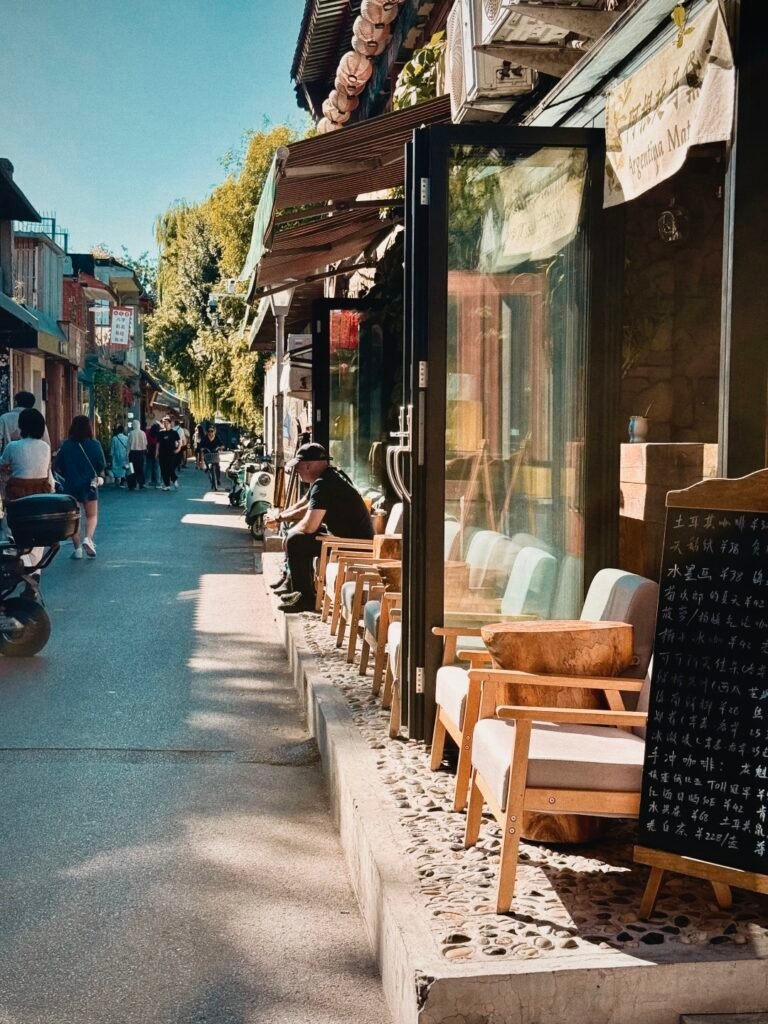
METAL HANDS is a great spot to rest when you’re tired from walking — sit at the door, catch some sun, and watch people passing through the hutong.
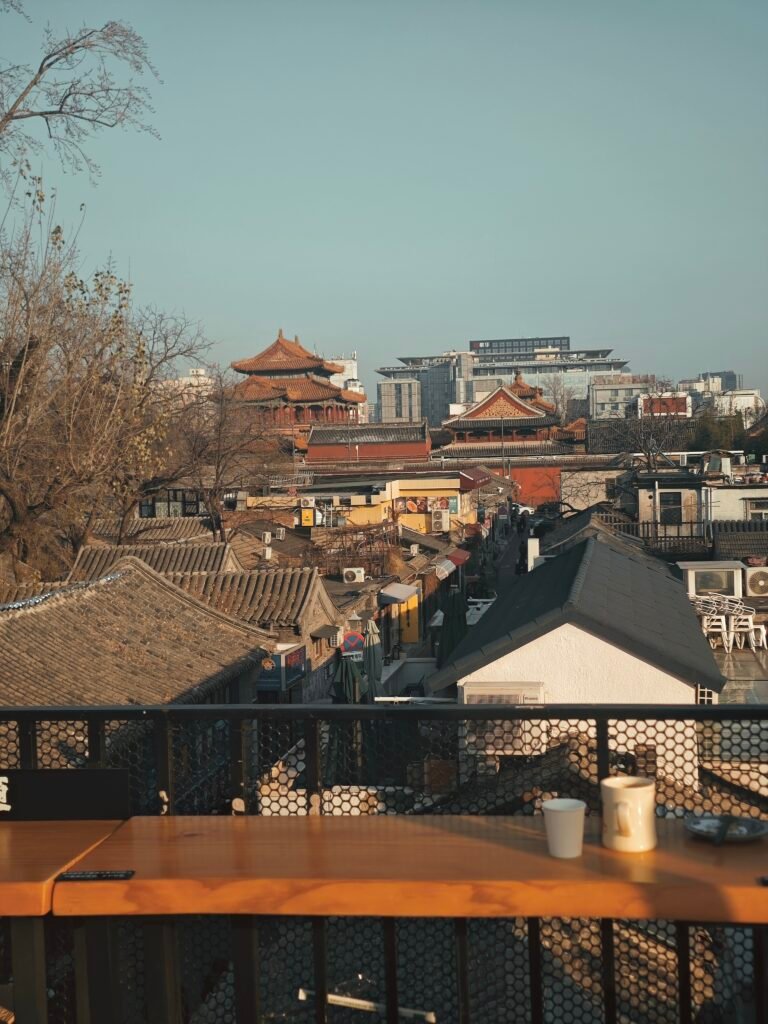
FULL DING (福顶) is another one I really like, because its second floor has an open-air terrace where you can look out over the whole street, with Yonghe Temple visible in the distance.
That temple is worth a visit too — during the Qing dynasty it was Prince Yongzheng’s residence before he became emperor, and it’s now a Lama temple that still draws heavy incense and worship today, with many people traveling long distances to pray there for career success and safety.
Of course, there are plenty of other cafés and restaurants here too — when you visit, you can explore and find the one you like best.
My favorite spot on this street is a restaurant called Saffron. Their Spanish seafood paella is something I keep going back for.
If you can time a visit for autumn, this is the lane at its most beautiful.
Guozijian Street: red walls and old scholar trees
Guozijian Street is very close to Wudaoying, but the two hutongs have completely different characters.
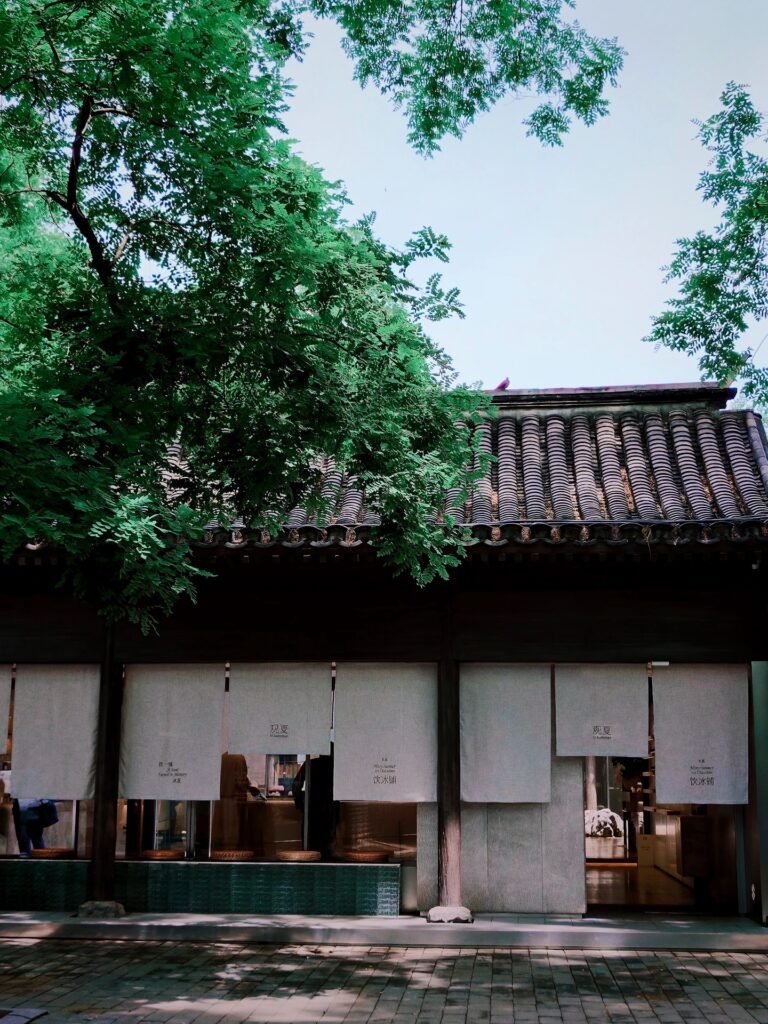
Guozijian Street (often just called Guozijian Hutong) is the lane I’ve walked most this summer, and the one I love most. It’s the only street left in Beijing that still has all four of its original painted memorial archways standing. Two rows of century-old scholar trees turn the whole street into a green tunnel overhead. Come by around 3 or 4 in the afternoon and the light through the branches falls across the red walls and pavement — the light and shadow are so beautiful I never stop taking photos.
The street takes its name from the Guozijian itself — the Imperial College, now home to the Confucius Temple and Guozijian Museum, once the highest seat of learning across the Yuan, Ming, and Qing dynasties. Seven hundred years of red walls, yellow-glazed tiles, and towering old cypress trees make this a place that quiets you down and lets you feel the weight of the history underfoot. Personally, I think it’s enough to take photos from outside, but if you’re genuinely interested in ancient Chinese culture, it’s worth going in, and ideally with a guide who can walk you through it properly.
Yandai Xiejie: old shops and everyday Beijing
Yandai Xiejie has a reputation, so it’s worth timing your visit for a quieter stretch — avoid July and August, when students are out for summer break.
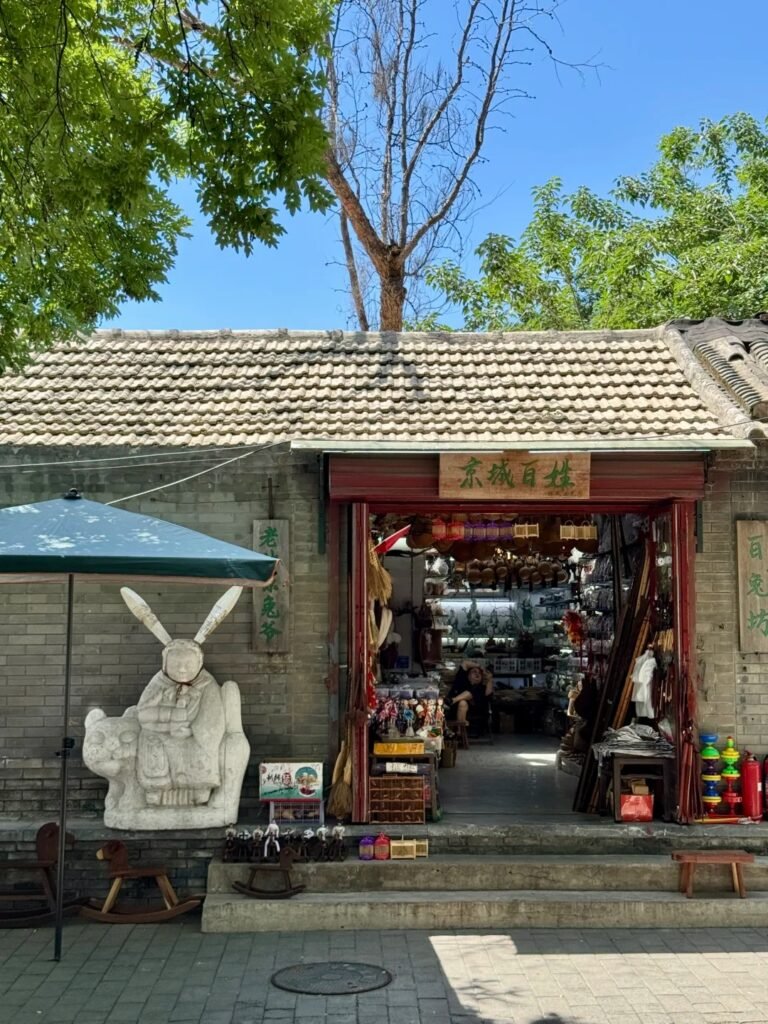
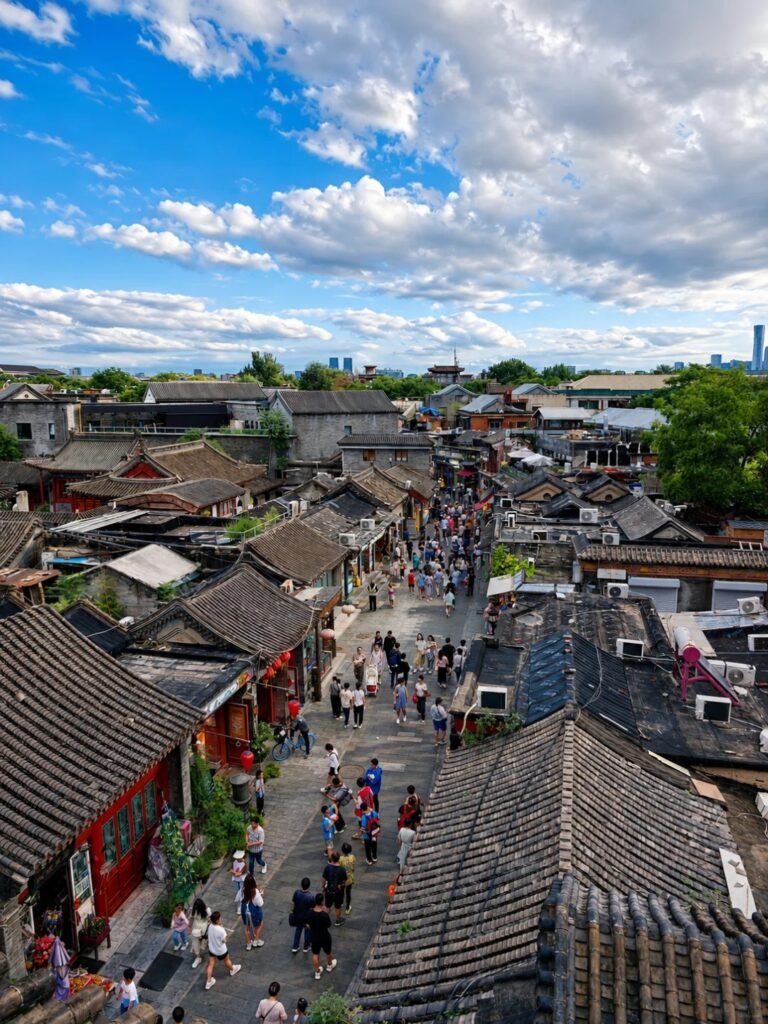
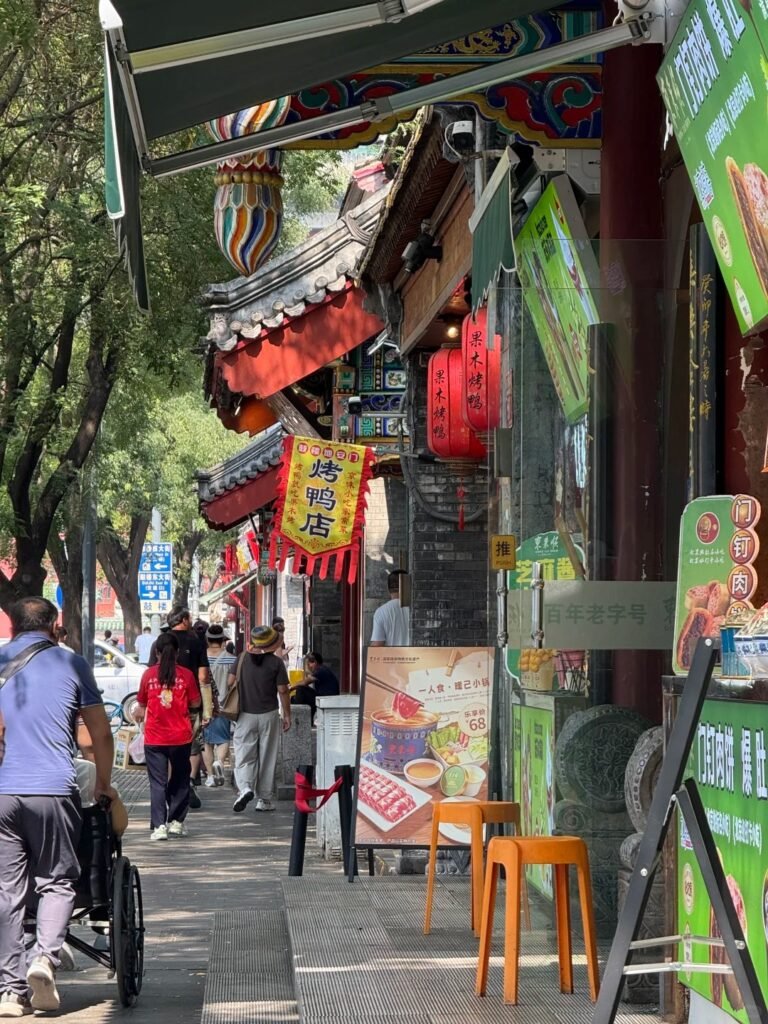
As one of Beijing’s oldest hutongs, walking its stone-paved lane feels like brushing up against an older version of the city. Grey brick houses, red lanterns strung close together, shopfronts crowded shoulder to shoulder along both sides. Many of Beijing’s old, established brands are clustered right here — Daoxiangcun for pastries, Yaer Liji for hotpot — both worth trying, though I eat their food elsewhere just as often.
Follow the lane to Yinding Bridge and you’ve arrived at Houhai. This end of the lake can get lively fast, but come early and you’ll catch a quieter, older-feeling Beijing instead. Walking or cycling along the lakeside is a pleasure either way — locals who live nearby treat the water’s edge like their backyard, swimming, playing chess, playing table tennis. If someone’s in a chatty mood, don’t be surprised if they strike up a conversation.
If you’re not in a rush and the weather cooperates, it’s worth waiting for sunset — on a good evening, the whole lake turns the color of orange sherbet. If you’re hungry, do a little homework first; in a neighborhood this popular with tourists, restaurant quality varies more than you’d expect. (I’ll be writing a separate guide to that soon.)
My favorite hutong-hopping routes
Beijing has no shortage of hutongs with real character — every time I have a free afternoon I end up wandering for hours, and every lane turns out to feel completely different. Some are full of everyday street life, some carry more history, and some are better suited to a relaxed eating-and-drinking route. Here are a few routes I’d recommend trying.
The Old Beijing Lakeside Loop Gulou Dajie subway station → Beiluoguxiang → Gulou Dongdajie → Yandai Xiejie → Yinding Bridge at Houhai The most popular route inside the Second Ring Road — catch sunset at Yinding Bridge, and try some of the local snacks along the way.
The Literary & Legation Quarter Route Dongjiaomin Xiang → Xixinglong Street → Sanlihe Park → Dashilar → Yangmeizhu Xiejie Century-old legation quarter buildings line this route, and Sanlihe Park hides a real gem of a café — you can sit by the little creek in the sun and watch two or three free-roaming chickens wander up looking for food, occasionally squabbling with each other over it. The creek itself is lively too, with flocks of ducks paddling around — for a moment it feels like you’ve wandered into the countryside. Thoroughly relaxing.
The Deep History & Red Walls Route Fuchengmen → Lu Xun Museum → Baita Temple’s east alley → Temple of Historical Emperors Baita Temple’s vermilion walls are one of the most popular photo spots online.
The Blessings & Slow Wandering Route Ditan Park → Yonghe Temple → Wudaoying Hutong → Guozijian → Ghost Street Start at Yonghe Temple for a blessing, wander into Guozijian for some scholarly calm, and end the day at Ghost Street for a proper feast — a full day that never feels rushed. Ghost Street is paradise if you love spicy food.
Tips:
Before setting out on these walking routes, download Amap (Gaode Maps) — Google Maps tends to be unreliable here. A comfortable pair of shoes is a must too; you could easily rack up close to 10,000+ steps in a day. These routes also work well on a shared bike, which saves a lot of energy.
More Story

Join us
Get the occasional email from TripExpect — things worth knowing before or during your trip.
BEIJING-HUTONG
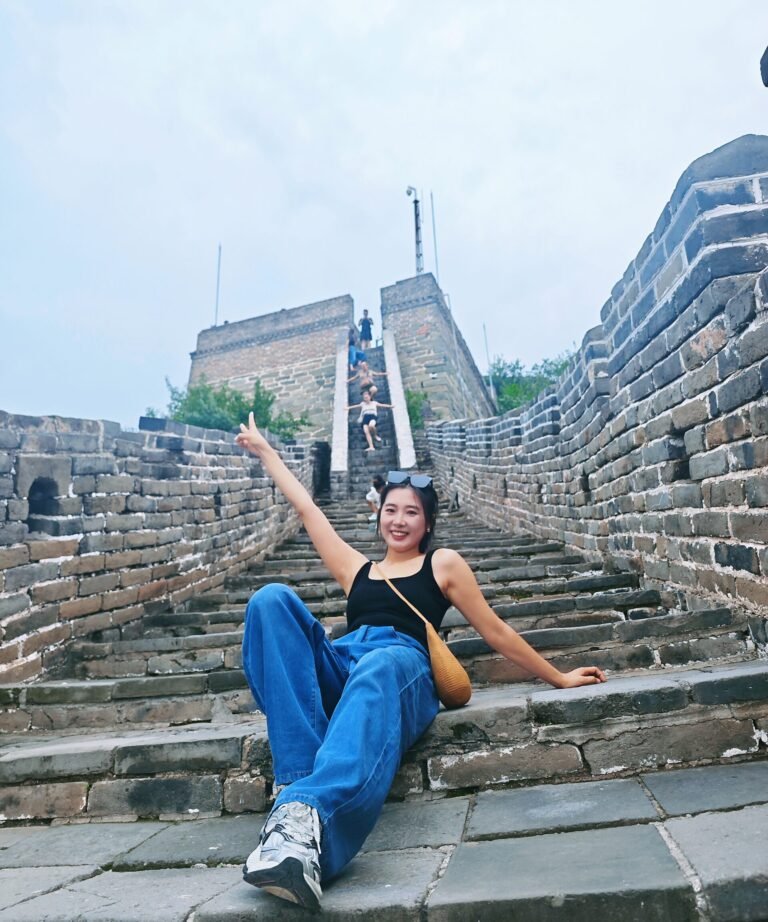
MUTIANYU GREAT WALL
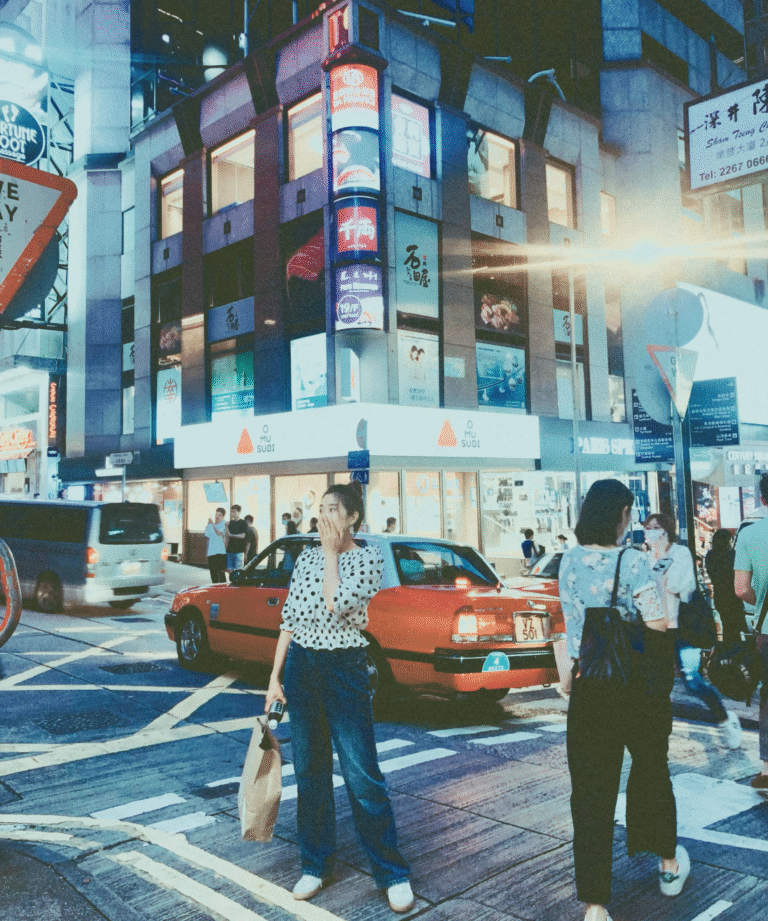
HONGKONG
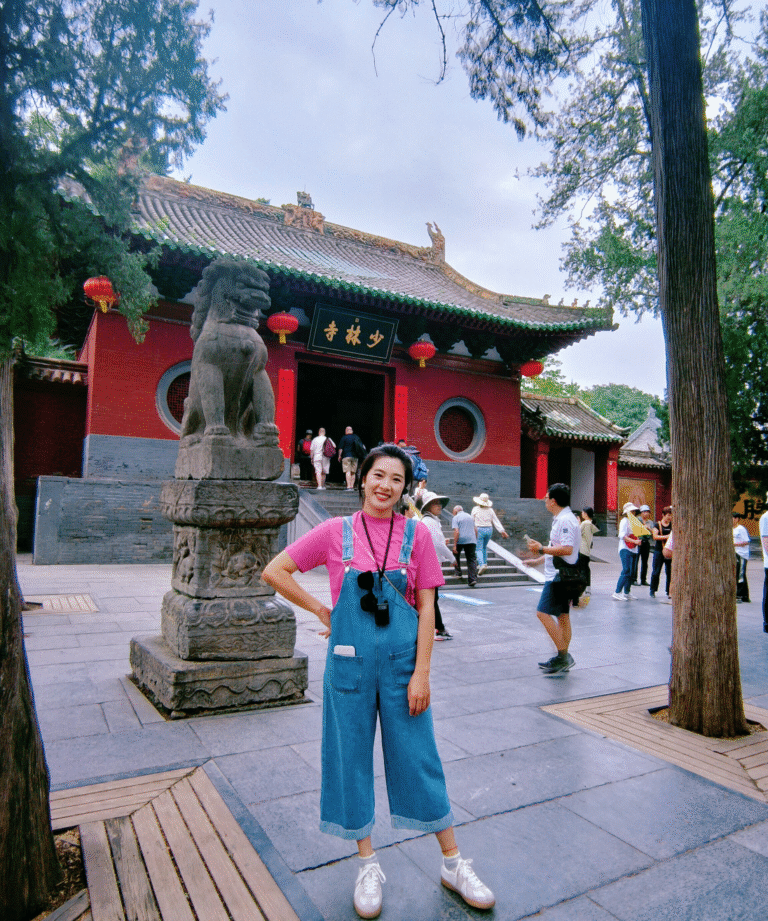
SHAOLIN TEMPLE
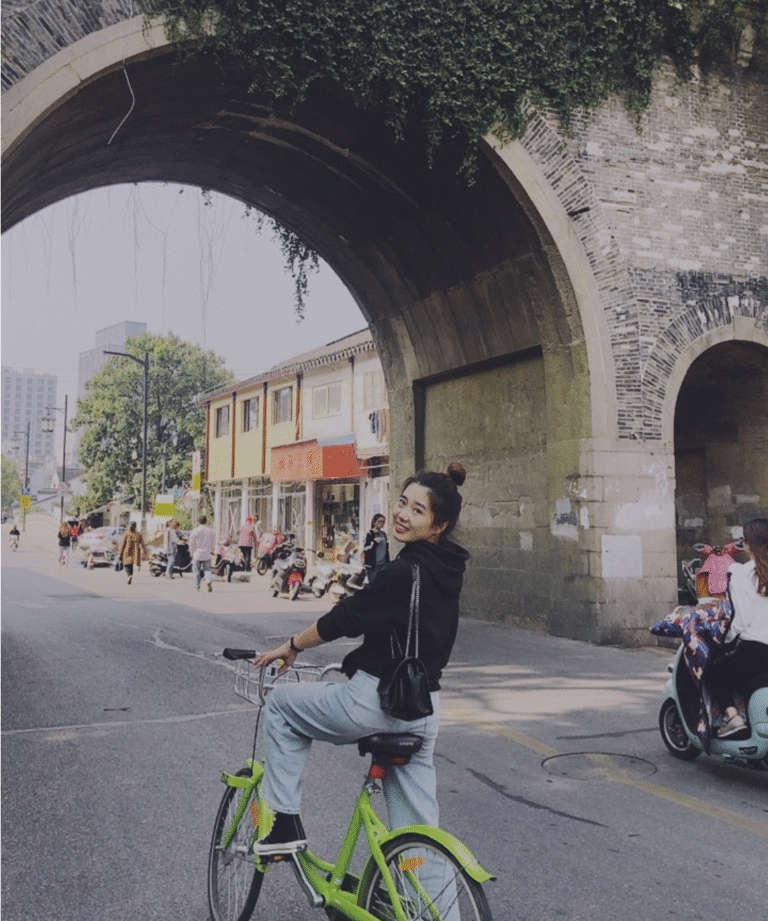
XI'AN

QINGDAO
SUZHOU
HOME
ABOUT
DESTINATION
TRAVEL GUIDE

Get the occasional email from TripExpect — things worth knowing before or during your trip.
© 2026 TripExpectJouney All Rights Reserved
