Top Articles

Essential Travel Apps for Foreigners in China

Essential Apps for Traveling in China Top Articles how to pay easily in china?  which navigation app should I use when traveling in china? Transportation Guide for traveling in China. Accessing the Internet in China: A Friendly Guide to VPNs and eSIMs How to find the best discounts and deals in china? For most of my friends from abroad, traveling to China is an exciting and mysterious adventure — and that’s exactly why being well-prepared makes all the difference! In today’s China, where mobile internet is incredibly advanced, I strongly recommend that you install a few essential apps on your phone, even if you’re just here for a short trip. Content: WeChat : all-in-one super app in china Alipay : like PayPal or Apple Pay VPN. : Help you staying online freely in China AMap : Chinese vision Google Map Didi : China’s Uber Meituan&Dianping : similar to Uber Eats/Yelp Baidu/Peggy Translate :like Google translate,work well no VPN 12306:The official App of China Railway Trip : Like Booking or Expedia Taobao : China’s Amazon WeChat(Like WhatsApp + Facebook + PayPal) WeChat is the most important all-in-one super app  you’ll need in China,just like WhatsApp.But it’s much more than a messaging platform—it’s essentially an all-in-one app for communication, social networking, payments, and even transportation. Locals use WeChat for almost everything, so having this app is essential. Features: Messaging, voice, and video calls(Translations are available in conversations to facilitate real-time communication across languages) Sending location and photos WeChat Pay (used to pay for taxis, meals, shopping, etc.) Moments (a social media feed) Official accounts for travel updates, restaurant bookings, and more Why You Need It: Cash is less commonly used, and credit cards aren’t always accepted. WeChat Pay is a major payment method, making it crucial for purchasing anything from street food to metro tickets. Alipay(similar to Apple Pay or Google Pay) Similar to WeChat Pay, Alipay is another ubiquitous mobile payment platform in China,just like PayPal. Many stores, restaurants, and services accept either WeChat Pay or Alipay, so having both will cover all your bases. And it’s also essentially an all-in-one app for payment、transportation、translation、Didi、takeout、ordering tickets. Features: Mobile payments for shopping, restaurants, transportation Alipay Tour Pass for foreign visitors (allows international cards to link and load money) Discounts on tourist attractions Transportation、translation、Didi、takeout、booking tickets、hotel、flights Why You Need It: Not all places accept cash or foreign credit cards, and Alipay offers an easy way to pay for almost anything in China, especially for tourists. VPN (No VPN, no Google — prepare ahead to stay online freely in China.) Since many popular Western apps (like Google, Facebook, Instagram, and WhatsApp) are restricted in China, having a VPN is crucial if you want to access these services. Make sure to download a VPN before arriving in China, as VPN apps are blocked within the country.  I would recommend the following three VPNs because they have been tested to work in Chinese mainland, and many foreign tourists have very good feedback. Astrill Astrill: Reliable even during internet crackdowns. It’s a bit pricey, but definitely worth it if you’re staying for a while. Letsvpn Letsvpn: Affordable and surprisingly reliable for daily use. Great for budget travelers. ExpressVPN ExpressVPN: Some users report inconsistent performance in China. I keep it as a backup just in case. Why You Need It: A VPN allows you to bypass internet restrictions and access blocked websites and apps like Gmail, YouTube, and Faceboo Tip: Not all VPNs work well in China, so do some research and choose one known to function in the country. An eSIM card is another easy option — it helps you stay connected and access the global internet freely in China.Check out this guide: “Accessing the Internet in China: A Friendly Guide to VPNs and eSIMs.” AMap(China’s version of  Google Map or Apple Map) Since Google Maps is restricted in China, Amap is the go-to navigation app. It’s accurate and includes routes for walking, driving, public transportation, and biking,and Now there is an English version, which is very friendly to foreign tourists. Features: Real-time traffic updates Detailed directions for public transit, walking, and biking Location-sharing with friends Why You Need It: It provides real-time information on buses, metros, and routes.It’s a lifesaver for getting around cities, especially in complex metro systems. Tip: You can switch to English in the settings, but place names might still appear in Chinese characters. If you’re using an iPhone, Apple Maps is a good option — it works normally in China. Didi(China’s Uber) Didi is China’s version of Uber, and it’s essential for booking rides. While taxis are available, Didi is often more convenient as you can pay directly through the app using WeChat Pay or Alipay. Features: Book rides with taxis or private cars Offers carpooling options Available in most cities across China Why You Need It: Taxis can be difficult to hail in busy cities, and Didi allows you to avoid the hassle of language barriers or needing to carry cash. The app also has an option for English speakers. Meituan(like Uber Eats, but with more local services)      Dianping(similar to yelp) MEITUAN     DIANPING      Meituan/Dianping are two great apps for finding local restaurants, attractions, and services. It’s similar to Yelp but with added functionality like food delivery. Actually, the two apps are very similar and belong to the same company, which stems from a well-known merger and acquisition in the industry. Either way, you can download any one you like. Features: Find local restaurants and read reviews Book restaurants, buy tickets for attractions Food delivery (like UberEats) Get discounts or offers in restaurants, shopping malls, entertainment venues, etc. Why You Need It: Whether you want to find the best local street food or book tickets to a museum, Meituan/Dianping are the go-to app for restaurant reviews and activity bookings. Translations Baidu Translate            Peggy Translate    Both apps support offline queries and use, and do not require a VPN, making them very stable and convenient to use in Chinese mainland. Features: Chinese-English dictionary Camera-based character recognition Real-time

Essential Travel Apps for Foreigners in China Read More »

Tips Your First Trip  To Beijing

Travel Tips TIPS FOR YOUR FIRST TRIP TO BEIJING Beijing is a city steeped in history yet pulsing with innovation—a place where you can never explore all its ancient relics or taste all its Chinese delicacies. With palaces adorned in vermilion walls and green tiles, and the towering, winding Great Wall, both standing for millennia… what’s not to love? When you decide to come and experience its unique charm, there are a few things to prepare in advance. TIPS FOR YOUR FIRST Trip to Beijing I‘m Yolanda Top Articles Is it Safe to Travel to China? About China Food Safety Transportation Guide for Traveling in China How to Use Shared Power Bank Handling Power Conversion in China READ MORE Before Departure Visa: Confirm if you need a visa and the type (e.g., Tourist L Visa). Apply early and check validity/entries. Learn about the 144-hour visa-free transit policy (check if your country qualifies). Connectivity: Buy a local SIM card (recommended), or enable international roaming/rent a WiFi egg. Essential: Set up a reliable VPN (for Google, WhatsApp, Instagram, etc.). Tip: A local SIM helps register apps offering discounts (e.g., milk tea, coffee, bike-sharing), saving costs. Payment: Install WeChat Pay/Alipay (link Visa/Mastercard). Mobile payments are widely accepted. Carry some cash for emergencies. Accommodation & Transport: Book hotels near subway lines. Download essential apps: Maps(Baidu/Amap), Translation (Google Translate, offline), Ride-hailing (DiDi International/WeChat Mini Program). Health & Insurance: Get travel insurance covering mainland China. Bring regular medication + prescriptions (with English notes). Power Adapter: China uses 220V, Type A/C/I sockets. Bring a converter. It’s highly recommended to get a Chinese SIM card upon arriving in Beijing. With a local number, you can register for all the must-have apps for traveling in China — from navigation and food discovery to ride-hailing and food delivery. Pay close attention — this is crucial! READ MORE Maybe you have heard and seen some information about how to pay in China from friends or the Internet, as a native Chinese, let me tell you more and more accurate information, and be prepared so that you can immediately pay as a local when you arrive in China. READ MORE Upon Arrival Airport Transport: Take the Airport Express train (fast/reliable) to downtown. Taxis/ride-hailing pick up at designated zones (use DiDi/hotel shuttle). Hotel Check-in: Passport required for registration (foreigners scanned for records). Get the hotel’s business card (Chinese address/phone) for return trips. Local SIM Card: Buy at airport/city carrier stores (passport required for registration) if not purchased earlier. Transport Card: Buy an “Yikatong” Transport Card (subway/bus) at airport/subway stations; top up with cash. If using Alipay: Scan QR codes for subway/bus/bike rentals. Exploring Chinese cities is easier than ever, thanks to a highly developed and affordable transportation network.Whether you’re strolling the hutongs in Beijing, admiring skyscrapers in Shanghai, or exploring the ancient charm of Xi’an, this guide will help you travel like a local — with confidence READ MORE During Stay Attraction Booking: Most attractions are crowded. Many popular sites now offer easier on-site ticket purchase for foreigners (show passport). Exception: The National Museum requires booking 7 days ahead (via official WeChat accounts/travel platforms). Carry ID: Always carry your original passport – required for attractions, hotels, and tickets. Getting Around: Subway is most efficient (avoid rush hours). Use DiDi (English available). Buses: check directions. Bike-sharing (needs local number). Food & Water: Eat at clean restaurants. Avoid tap water – drink bottled water. Cultural Tips: Keep noise low in public. Queue patiently. Respect local customs at temples/hutongs; ask permission before photographing locals. Toilets: Carry tissues (rarely provided). Many public toilets are squat-style. Departure Tax Refund: Get tax refund forms at participating stores. Process refunds early at airport (e.g., T3 Terminal) with passport, boarding pass, goods, and receipts. Transport Card: Refund balance/deposit at designated subway stations, or keep as souvenir. Arrive Early: Reach Capital Airport 3+ hours before international flights. Subway is the most punctual option from downtown. SIM Card: No need to cancel short-term SIMs. Key Takeaways ✦ 6 Essentials: Valid Visa • Original Passport • VPN • Mobile Payment/Cash • Attraction Bookings • Transport Card✦ Plan Ahead: Book popular sites early • Download essential apps✦ Passport = ID: Guard it closely – required everywhere!

Tips Your First Trip  To Beijing Read More »

Beijing Hutong Walking Tour

Beijing Hutong Walking Tour Top Articles Recommended Translation Apps in China  Is it Safe to Travel to China? How to use the Internet in China? Wudaoying Hutong Walking Route Watch the sunset at Shichahai Lake Wudaoying Hutong Walking Route This route begins at Yonghe Temple(Lama Temple)—a stunning example of Chinese architecture that originally served as Emperor Yongzheng’s residence before becoming a Tibetan Buddhist monastery. Next, Wudaoying Hutong buzzes with life: cafés, eateries, and boutique shops line the street. When your feet tire, slip into a coffeehouse and perch on a second-floor balcony overlooking Beijing’s iconic streetscapes. Beyond Wudaoying lies the Imperial Academy, where scholars once sat for imperial examinations. Continue to Beiluoguxiang to witness authentic courtyard homes (gray walls, red-tiled roofs) shared by multiple families—here, vibrant local life unfolds daily. The urban landmark Bell & Drum Towers surge with crowds, while nearby Shichahai glows at sunset. If timing aligns, don’t miss its golden-hour spectacle over the lake Qianmen Hutong Walking Route This hutong route is very close to Qianmen, yet you don’t have to worry about the crowds and noise of Qianmen’s tourists. This hutong stroll reveals authentic local life, with few people and great photo opportunities! Start at Xuejiawan Hutong: If taking the subway, get off at Qiaowan Station and you’ll soon find the entrance to Xuejiawan Hutong. (If you’re already at Qianmen, navigate to the intersection of Xuejiawan Hutong and Caochang Shitiao). Your first impression will be how clean it is – little litter on the ground, no clutter, making for a very pleasant walk. Continue to Beilu Caoyuan Hutong: This lane sits on the former riverbed of the Sanli River, once covered in reeds. This was my favorite part of the route, brimming with local character. Every doorway features carved couplets. Some residents grow vegetables 🥬 or grapes 🍇 in front of their homes, while others display vintage bicycles 🚲. Passing by the Beilu Grocery Store, we saw people petting cats 🐱 – such a great atmosphere! Next, head towards Sanlihe Park near Caochang Santiao. The park is small but lovely, with a small winding stream and lush greenery. Upon entering, a pair of black swans greeted us by flapping their wings. Further in, there’s a café where you can rest, watching ducks swim in the stream and chickens pecking around 🐔 nearby – utterly relaxed and leisurely. Exiting the park, walk towards Qingyun Hutong, passing through Nanshengou Hutong and Haojing Hutong. The buildings here are very historic, with many wooden door frames, offering a close-up feel of old Beijing architecture. Pass through Luanqing Hutong to reach Xidamochang Street. Here, a historical site has been converted into a café – its two red windows are absolutely stunning, framed by winding vines, with ancient brick walls making you feel like you’re in a castle. If you time it right and reach Zhengyang Gate (Front Gate) at sunset, seeing it bathed in the golden light is truly beautiful. Route Summary:Xuejiawan Hutong → Beilu Caoyuan Hutong → Sanlihe Park → Qingyun Hutong → Nanshengou Hutong → Haojing Hutong → Luanqing Hutong → Xidamochang Street → Qianmen Dashilan → Zhengyang Gate If you’d like to stay in a hutong Beijing’s hutongs not only carry the rich cultural heritage and traditional essence of the city, but staying in a hutong also offers a more immersive experience of local life than lodging in commercial hotels. It’s a perfect window into the cultural tapestry of Beijing. siheyuan courtyard hotels If you love Beijing’s hutongs, here are some siheyuan courtyard hotels I highly recommend. These range from heritage properties preserving authentic architecture to luxurious chain hotels with hutong-inspired designs—offering distinct styles at varying price points. READ MORE

Beijing Hutong Walking Tour Read More »

TOP5  THINGS TO DO IN BEIJING 

TOP5  THINGS TO DO IN BEIJING  Top5 things to do in Beijing If it’s your first time in Beijing and you only have 3 days to explore, here are 6 must-do experiences combining food, sightseeing, and cultural immersion Here are 5 things for your first trip to Beijing Conquer Juyongguan Pass to Become a “Hǎo Hàn” Hey everyone! If you’re visiting Beijing, climbing the Great Wall is an absolute must. As an ancient Chinese saying goes: ‘He who has never been to the Great Wall is not a true man.’ This magnificent wonder will test your endurance—especially in summer heat—but when you persist to the Hǎo Hàn Slope (Hero’s Peak) and stand atop those ridges overlooking the wall snaking through mountains? Trust me, every drop of sweat will pay off. Popular sections: Badaling is well-known, but Mutianyu offers fewer crowds, closer proximity to downtown, and a better overall experience. Getting There: Use Gaode Maps app to navigate to Beijing Tourist Hub (Qianmen Branch).Board at Qianmen: ¥80 round-trip, takes 1.5–2 hrs directly to the cable car entrance (no shuttle transfer needed). More flexible for independent schedules. Ascending Options (tickets not interchangeable): Cable Car (enclosed cabin):¥100 one-way / ¥140 round-trip → Watchtower 14 Chairlift + Toboggan (open-air):¥100 one-way / ¥140 round-trip → Watchtower 6 Route Breakdown (Watchtowers 1–20): East Section (1–6): Scenery less impressive than the west Highlights: No.1 “Great Corner Tower” (triple-wall junction), No.4 Zhengguantai (unique hollow watchtower) Middle Section (6–14): Gentle slopes, fewer stairs → easiest hike Best in autumn West Section (14–20): Most scenic & concentrated highlights No.14: “He who has never been to the Great Wall is not a true man” stone carving (photo spot!) No.19–20: “Hao Han Slope” → steep climb (challenging but rewarding) Note: The wall is a linear path—backtracking is unavoidable unless hiking only the middle section (less scenic). Pro Tips: Bring food/water (expensive on-site) Full sun exposure → wear sunscreen & hat Top Articles How  do I get a Chinese phone card?  How to pay easily in China? Transportation Guide for traveling in China. Which navigation app should  I use  when traveling in China? Watch the sunset at Shichahai Lake Shichahai’s charm lies in its traditional Beijing hutong architecture, where gray-brick houses with slate roofs stand alongside the lake’s sparkling blue waters dotted with charming pink paddle boats. In spring, golden-green willow buds frame bustling crowds along the shore, while at dusk you’ll spot spirited local elders swimming with infectious energy—some might even strike up a friendly chat. For unforgettable sunsets, head to Sugar Cube Café (Tángfáng); its third-floor terrace offers panoramic views. After sunset, wander through historic hutongs or skip the noisy bar streets for quieter riverside drinks at Lotus Lane (Héhuā Shìchǎng), where cozy ambiance complements the lakeside scenery. Climb Jingshan Hill to overlook the Forbidden City panorama While the Forbidden City is a must-see for any Beijing visitor, let me tell you: its true grandeur reveals itself from a different vantage point. Inside the palace walls, you experience fragments of history—but climb Jingshan Hill’s summit, and the entire imperial complex unfolds before you. I gasped at this magnificent architectural symphony, just as you might. Beyond the crimson rooftops, your gaze meets the China Zun (Beijing’s tallest skyscraper) piercing the CBD skyline. Standing where dynasties and skyscrapers converge, time itself feels beautifully suspended.  Taste authentic Beijing-style dishes: Zhajiang noodles / copper hotpot / Peking duck Eating great food is hands-down the most important part of travel for me—how can you enjoy a trip without eating well? Beijing has endless food options, but these three are my favorites and also the most widely accepted. (Beijing does have dishes like Luzhu Huoshao—only for those comfortable with offal—and Douzhi, which locals grew up drinking. Its flavor is truly unique—maybe you can try it and tell me what you think!) Now, my golden trio:🥇 Zhajiang Noodles – Springy wheat noodles tossed in oh-so-savory minced pork sauce, simmered fresh daily. Best part? Unlimited noodle & sauce top-ups until you’re gloriously stuffed. 🥤 Pro move: Pair it with chilled sour plum juice (suān méi tāng) – that sweet-sour tang cuts through the richness like magic. Icy, refreshing, pure bliss. Copper Pot Hotpot is my absolute favorite among these three foods. When eating it, pay attention to these key points: ✅ Old Beijing Clear Broth BaseThe must-order broth in any authentic restaurant. Good meat only needs clear broth! Lamb cooked in a copper pot paired with sesame sauce—that magical blend of meaty aroma and nutty richness? I’d never trade this for anything. So addictive! 😋😋 ✅ Premium Large Plate of MuttonPerfectly marbled, this pairs flawlessly with the clear broth. Experience the pure, original mutton fragrance🌟—zero gaminess, just a milky sweetness that lingers after each chew. The portion? Generous beyond belief! ‼️(Of course there are many meat varieties—any top-listed items on the menu are safe bets!) ✅ Sesame Baked BunsCap your meal with these fragrant buns. Freshly baked and crusted with toasted sesame seeds💥, they shatter into crispy outsides revealing cloud-soft insides—leaving your mouth perfumed long after. Final touch: Pair with assorted veggies, glass noodles, tofu, and greens. That’s all we need. Authentic Peking duck is an art. Tender meat from specially raised ducks is roasted over fruitwood charcoal, infusing the skin with a subtle fruity aroma. Just seeing the ruby-red ducks glowing in the oven will make your mouth water. Once served, wait for the master carver to slice it into thin pieces—layers of crispy skin and succulent meat. Then assemble your wrap: place duck slices with cucumber sticks and scallion shreds, drizzle with sauce, and roll it in a thin pancake. That first bite? Pure magic. Rich duck essence, fresh cucumber crispness, and scallion’s gentle pungency create layered flavors—refreshing yet deeply satisfying, never cloying. But it doesn’t end there! The leftover carcass gets chopped and deep-fried to shattering crispness, dusted with cumin and spiced salt for addictive nibbles. Or it simmers into a soul-warming duck bone broth with glass noodles. Honestly, I’m vividly picturing every bite as

TOP5  THINGS TO DO IN BEIJING  Read More »

Kuanzhai Alley

Kuanzhai (Wide and Narrow Alleys) Composed of three parallel lanes: Kuan Alley (Wide Alley), Zhai Alley (Narrow Alley), and Jing Alley (Well Alley). 🏛️ Kuan Alley:Steeped in nostalgia, featuring well-preserved Ming-Qing dynasty courtyard houses (siheyuan) and traditional residences.🌅 Zhai Alley:A charming “slow living” zone showcasing Chengdu’s courtyard culture, lined with boutique shops and teahouses.🖼️ Jing Alley:A connector between Kuan and Zhai Alleys, historically named Ruyi Hutong (Qing Dynasty). Known for its 500-meter engraved brick wall. 📍 Recommended Route: 1️⃣ From Metro Line 4, Exit B: Start at Kuan Alley → See the upside-down panda sculpture → Visit historic sites like Kailu and Demarenli (classic Sichuan architecture).2️⃣ Move to Zhai Alley: Explore the antique-style POP MART store → Admire the ancient hitching post.3️⃣ Stroll Jing Alley: Discover the iconic brick relief wall. Must-Do Experiences Face-Changing Opera at Xilai Shuyunyuan Theater (Zhai Alley #31):🕒 Shows: 11:30 AM – 9:20 PM (multiple daily)💰 Tickets: From 69.9 RMB (includes plain tea) → 168 RMB premium (Zhuyeqing tea + snacks). Pro tip: Arrive 30 mins early in Hanfu attire! Ride vintage bikes → Snap photos at the “I Miss You in Chengdu” sign → Soak in the slow-paced vibe. 🍴 Hidden Gem Eatery Yuànbàlǐ · Shàochéng Memories (支巷里):💯 Authentic Sichuan cuisine in a century-old courtyard.🌆 Book the rooftop private room → Sip Gaiwan tea (lidded bowl tea) at dusk → Immerse in Chengdu’s vibrant local atmosphere.     Tips 1️⃣ For street food: Head to Zhijishi Street or Binsheng Street.2️⃣ At teahouses: Choose spots with clear pricing (Gaiwan tea: 15-30 RMB is fair).3️⃣ Magic hour: Lantern-lit alleys at night amplify old Chengdu’s charm. Grab Your Free China Travel Essentials List Everything you need for a smooth adventure across China. Subscribe You have been successfully Subscribed! Ops! Something went wrong, please try again. HOME ABOUT CHINA START HERE Useful Links Terms&Conditions Privacy Policy Contact © 2025 TripExpectJouney All Rights Reserved

Kuanzhai Alley Read More »

Dujiangyan

DuJiangYan https://tripexpect.com/wp-content/uploads/2025/06/IMG_7997.mov DuJiangYan  Dujiangyan is a long, narrow scenic area. To see its full panorama, you’ll need to hike up the mountain.  Recommended 1-Day Itinerary: Morning: Option 1: Panda Valley Option 2: Qingchengshan Front Mountain Dujiangyan Scenic Area Route[Strongly recommend this reverse route!]Enter at Gate 4 → Buy a one-way elevator ticket → Yulei Pavilion → Descend to Xiguan → Songmao Ancient Trail → Erwang Temple → Anlan Cable Bridge → Fish Mouth Levee → Feisha Weir → Bottle-Neck Channel → Nanqiao Bridge(This is the most efficient path with minimal backtracking!) Guanxian Ancient Town + “Blue Tears”After Dujiangyan, head to Guanxian Ancient Town for local food. After dinner, walk 5 minutes to Tianfu Source Bridge to see the “Blue Tears” night view!                                TransportationTake Chengdu Metro Line 6 to Xipu Station, then transfer to an intercity train to Lidui Park Station.                  Travel Tips Gate 4 is the only entrance with direct elevator access to the mountaintop. Start here to save energy.Other gates require full hiking.“Blue Tears” is FREE to view! The best spot is Tianyuan Bridge, located outside the paid scenic area.

Dujiangyan Read More »

Beijing Hutongs: Where Time Stands Still

Beijing Hutongs: Where Time Stands Still Caochang Hutong,Beijing Step into Beijing’s hutongs and you’ll discover a city within a city – a maze of narrow alleys that have survived dynasties, wars, and skyscrapers. These aren’t just old streets; they’re living museums where centuries-old traditions play out in everyday life. What makes these ancient lanes so captivating? It starts with the architecture itself. Each hutong is lined with siheyuan – traditional courtyard houses built around the simple yet profound idea that family life should center around a shared space. The gray brick walls and red wooden doors might look uniform from the outside, but peek through any doorway and you’ll find unique worlds shaped by generations of families. This thoughtful design has fostered something equally remarkable: authentic community life. Forget social media – hutong residents have been building real connections for centuries. You’ll see elderly men playing xiangqi (Chinese chess) under ancient trees, neighbors sharing meals in courtyards, and kids riding bikes through alleys their great-grandparents once walked. It’s community living that most modern cities have lost. And where there’s real community, you’ll find real food. The best Beijing flavors aren’t hiding in fancy restaurants – they’re tucked away in hutong hole-in-the-wall eateries where recipes haven’t changed in decades. From hand-pulled noodles to perfectly crispy jianbing, these narrow streets serve up some of the city’s most authentic tastes. Ready to experience all this for yourself? Let’s explore some classic hutong routes that showcase the very best of old Beijing. Rout1:This is the most classic route we recommend, where you can visit the most representative Beijing Hutong. Route 1: Wudaoying Hutong → Guozijian → Huafeng Hutong → Gulou → Nanluoguxiang → Shichahai  –Wudaoying’s cafes and converted siheyuan courtyards;  –Guojijian (The Imperial Academy ) was China’s highest educational institution for over 600 years,,and it is connected to the Temple of Confucius, a temple dedicated to the ancient Chinese sage Confucius, and is the highest place representing Confucian culture.  –Huafeng Hutong’s preserved quadrangles and literary heritage;  -The majestic Drum Tower with its panoramic city views;  -Souvenir shops along Nanluoguxiang (Nanluo Alley); -The peaceful lakefront of Shichahai with its temples and old residences.Don’t miss the Yandaixiejie Hutong. Dacheng Hall of Guozijian Gulou(Drum Tower) Photo spots: The red Drum Tower (Gulou) with its historic drums is very photogenic, as is the eastern entrance arch of Nanluoguxiang. By Shichahai you’ll find quaint willow-lined bridges and reflections on the lake at Houhai. Don’t miss the classic shot from the “Silver Ingot” (Yinding) Bridge on Shichahai. Approximate distance: About 4–5 km total. (Wudaoying to Shichahai on foot, with stops.) Way to explore: Best on foot (with comfortable shoes). You could also rent a bike or pedicab to cover more ground, especially on the Shichahai waterfront. Extra tips: Start early to avoid Nanluoguxiang’s crowds. Many shops here are cashless (AliPay/WeChat). In warm weather, carry water and wear sun protection for the open stretches. Shichahai’s bars and restaurants are fun at dusk, and a boat ride on the lake (summer) can be lovely. Rout2:From the courtyard of the common people’s alleys to the emperor’s private garden Route 2: Shijia Hutong → Dongsi South St.→ Wusi Dajie → Forbidden City Corner Tower → Jingshan Park –Shijia Hutong – peaceful old lane with grey-brick houses, the former courtyards of artists and officials. The Shijia Hutong Museum (traditional courtyard No.24) which showcases daily life in old Beijing. -Dongsi South St.-There are all kinds of small shops along the street to explore –Wusi Dajie (famous for the National Art Museum and busy street life). -The Forbidden City Corner Tower – on the moat of the Palace walls, offering scenic reflections and park views. –Jingshan Park – historic royal garden hill where you can see the entire Forbidden City and Beijing laid out below. Jiaolou(The Forbidden City Corner Tower) The Forbidden City from the top of Jingshan Mountain Photo spots: The red-roofed Corner Tower is iconic at sunrise (with willow trees and water reflection). From Jingshan’s Wanchun Pavilion on the peak, you get a full panorama of the Forbidden City’s golden roofs and cityscape. In Shijia, look for painted doorways and lively street scenes. Approximate distance: Roughly 3–4 km (mostly on level streets, then uphill at Jingshan). Way to explore: Walking is best (shoes recommended for the Jingshan climb). Jingshan has paved paths. Extra tips: Shijia Hutong feels like stepping back in time. It’s very quiet, so speak softly. The small Shijia Hutong Museum is free (Tue–Sun 9:30–16:30). Jingshan can be busy around sunset – for fewer crowds, go mid-morning or late afternoon. On a clear day from Jingshan’s top you can also spot Beihai Park and the Drum Tower. Bring a hat or light jacket, as wind can be strong on the open summit. Route 3: Dongjiaominxiang (Former Legation Quarter) → Former French Post Office → St. Michael’s Church → Zijin Hostel → French Institute → JC Museum -The architecture along Dongjiaominxiang (longest old hutong in Beijing at ~1.6 km) – look for ornate doors, carved stone pillars and Baroque columns. -The former French Post Office façade (now a cultural building) and the striking red-brick St. Michael’s Church. If open, peek into Zijin Hostel’s courtyard (historic Prince Xu Tong mansion). -End at the Institut Français and nearby exhibition spaces, which often have rotating art/heritage displays. Rout3:Dongjiaomingxiang-The “original embassy district” of old Beijing Embassy of France Former Site The St. Michael’s church Photo spots: The stately entrance of St. Michael’s (Dongjiaomin Church) with its crosses and old tram rails in front. Some of the embassy buildings have decorative facades worth capturing (like the former Japanese Embassy blocks). Approximate distance: About 3 km. Way to explore: Walking or cycling. (This broad street is flat and quiet; bikes or pedicabs can be fun here.) Extra tips: Almost everything here is free to roam. The area has shady trees and some cafes – a good place for a lazy pause. Read plaques on the embassy sites for history. The legation quarter is stroller- and bike-friendly. Watch traffic on Dongjiaomin Street,

Beijing Hutongs: Where Time Stands Still Read More »

qingcheng

Mount Qingcheng Mount Qingcheng is not a single peak but a mountain range. Its “Back Mountain” is not the reverse side of the “Front Mountain”—in fact, the two areas are dozens of kilometers apart. The Front Mountain and Back Mountain are separate scenic zones, unconnected and distinct in cultural landscapes. If time allows, both are worth exploring. Mount Qingcheng has a unique spiritual atmosphere, something you can only truly feel when you’re there.   Back Mountain & Front Mountain Guide Front Mountain Front Mountain is deeply rooted in Chinese Taoist culture, rich in historical sites and cultural relics. It features well-preserved Taoist temples like Tianshi Cave and Shangqing Palace, uniquely designed and centuries-old, nestled among towering ancient trees. The atmosphere here is classical, serene, and mystically charged. It’s ideal for visitors interested in Taoist heritage. The path mainly consists of stone steps, making it safe and accessible. You may even encounter Taoist priests along the way. The full route is about 9–12 km, with moderate physical demands.Admission: Adult ¥80/person; Student ¥40/person. Transportation After arriving at Qingchengshan Station by intercity train, head straight across the street to reach the Front Mountain scenic entrance. Sightseeing bus tickets are sold opposite the street. Back Mountain Back Mountain is celebrated for its breathtaking natural scenery—crystal streams, deep pools, sheer cliffs, waterfalls, and winding gorges—all wrapped in tranquility. Its cultural focus is Buddhism, with attractions like the Cave of Ten Thousand Buddhas, Guanyin’s 32 Incarnations Cave, and Reclining Buddha Cave. Trails here are steeper, more rugged, and less developed. Paths can be slippery after rain, and some sections are quite challenging. The full route spans 16–19 km, requiring higher stamina and endurance, but rewards visitors with adventure. Set aside a full day for the best experience. Locals in Chengdu prefer the Back Mountain!Admission: Adult ¥20/person; Student ¥10/person (relatively affordable). Transportation From Qingchengshan Station, the Back Mountain entrance is about 20 km away. Turn left upon exiting the station and walk to the parking lot/bus stop. Purchase tickets there for the scenic shuttle bus or take a public bus. Travel Tips Front Mountain Take Chengdu Metro Line 6 to Xipu Station, then transfer to an intercity train to Qingchengshan. It’s best to book your train tickets at least 2 days in advance. Before climbing the mountain, prepare a hiking pole or buy a bamboo stick (5 RMB) at the foot of the mountain. If you prefer not to hike, you can take the cable car up and down. Wear non-slip shoes, as some sections of the trail can be slippery. Avoid carrying heavy items; just bring some water and essential supplies. As soon as you exit the station, you’ll encounter many people soliciting business (for taxis/tours/etc.). Ignore them. Go straight after exiting, cross the street, and you’ll be right at the scenic area entrance. Tickets for the sightseeing bus inside the park can be bought right at the entrance, and that’s also where you board it. Suggested Itinerary: Visit Qingchengshan in the morning. Then, explore the nearby Dujiangyan Irrigation System in the afternoon. In the evening, stay overnight in Guanxian Ancient Town to see the ‘Blue Tears’ (nighttime illuminated river) Back Mountain Beware of solicitors: “Many touts will approach you after exiting the station. Unless the scenic area bus service is suspended, it’s best to ignore them.” Dining & freebies in Tai’an: “Tai’an Ancient Town has plenty of dining options. Some restaurants even give away free hiking poles if you eat there. Don’t hesitate to ask – you might get a pleasant surprise! Use translation apps if needed.” Pack light: “Avoid carrying heavy loads into the mountain. Go light on supplies and water.” Footwear warning: “Some stone steps are slippery and badly worn, so wear comfortable, non-slip shoes.” Rainy day solution: “If it rains, you can buy disposable raincoats and rain boots (around 20 RMB/set) in Tai’an Ancient Town or along the mountain entrance path.” DUJIANGYAN Getting from Qingchengshan to Dujiangyan is easy and convenient. After descending from either the Front Mountain or Back Mountain of Qingchengshan, you can head directly to Dujiangyan. If you have time, staying overnight in Dujiangyan (e.g., in Guanxian Ancient Town) is a great option. Read More

qingcheng Read More »

Chinese Cuisine: A Culinary Journey Through China

Chinese Cuisine: A Culinary Journey Through China By xiaoyueJune 12 2025 https://youtu.be/Y-yfG-CCY78 Welcome to the Amazing World of Chinese Cuisine! Hi there! As a blogger who has traveled across China and tasted countless dishes, I’m excited to help you discover the incredible diversity and deliciousness of Chinese food. I’ve learned that Chinese cuisine is so much more than just sustenance—it’s an art form that brings together flavors, textures, colors, and aromas in perfect harmony. Whether you’re eating at a tiny street stall or an upscale restaurant, every meal tells a story. Chinese cuisine has very distinct regional characteristics, with different areas having their own unique culinary traditions. In China, there are the famous “Eight Great Cuisines”—regional cooking styles that represent the most celebrated local specialties.  Many classic dishes from these traditions frequently appear on ordinary Chinese dinner tables. Let’s explore them together. The Eight Great Cuisines of China 1、Cantonese Cuisine (Guangdong Cuisine) This was my first love in Chinese cuisine! The flavors are light and fresh, making it perfect for beginners to Chinese food. My personal favorites: White Cut Chicken (báiqiējī)– So simple yet incredibly tender Sweet and Sour Pork (gūlūròu)– Nothing like the overseas versions you might know! Dim Sum (diǎnxīn)– My weekend brunch ritual whenever I’m in Guangzhou Pro tip: Try dim sum during morning tea (zǎochá) for the most authentic experience White Cut Chicken Sweet and Sour Pork Dim Sum 2、Sichuan Cuisine (Chuan Cuisine) Get ready for an explosion of flavors! This is where I discovered that spicy food can be addictively delicious. My must-try recommendations: Mapo Tofu (mápó dòufu)– The first time I tried this, my mouth was tingling with that signature numbing sensation! Kung Pao Chicken (gōngbǎo jīdīng)– The perfect balance of spicy, sweet, and savory Hot Pot (huǒguō)– My favorite social dining experience in China Insider tip: Tell them “wēilà” (mildly spicy) if you want it toned down—trust me on this one! Mapo Tofu Kung Pao Chicken Hot Pot 3、Shandong Cuisine (Lu Cuisine) This cuisine taught me the art of soup-making and braising techniques. Dishes I can’t resist: Sweet and Sour Carp (tángcù lǐyú)– The fish-cooking technique here is absolutely incredible Braised Sea Cucumber (shāo hǎishēn)– Don’t let the name intimidate you; it’s considered a delicacy! Braised Intestines (jiǔzhuǎn dàcháng) – For the truly adventurous foodie Sweet and Sour Carp Braised Sea Cucumber  Braised Intestines 4、Jiangsu Cuisine (Su Cuisine) This is where Chinese food meets artistry—every dish looks like a painting! My favorites: Lion’s Head Meatballs (shīzitóu)– The most tender, flavorful meatballs you’ll ever try Crystal Meat (shuǐjīng ròu)– Looks absolutely beautiful and tastes even better Sweet and Sour Mandarin Fish (sōngshǔ guìyú)– A true feast for both the eyes and palate Special tip: Have your camera ready—these dishes are incredibly photogenic! Lion’s Head Meatballs Sweet and Sour Mandarin Fish 5、Zhejiang Cuisine (Zhe Cuisine) Light, fresh, and elegant—this cuisine completely changed my understanding of how to prepare seafood. Must-try dishes: West Lake Fish in Vinegar Sauce (Xīhú cùyú)– My absolute favorite fish preparation Longjing Shrimp (lóngjǐng xiārén)– Fresh shrimp cooked with fragrant tea leaves! Dongpo Pork (dōngpō ròu)– Literally melt-in-your-mouth perfection Local secret: Try these dishes in Hangzhou for the most authentic experience West Lake Fish in Vinegar Sauce Longjing Shrimp Dongpo Pork 6、Fujian Cuisine (Min Cuisine) The masters of soup! This cuisine taught me that soup can absolutely be the star of a meal. My top picks: Buddha Jumps Over the Wall (fótiàoqiáng)– Legend says it’s so aromatic that even Buddha couldn’t resist jumping over the wall to try it! Red Wine Chicken (hóngjiǔ jī)– Not what you might expect—it’s made with traditional red rice wine Fish Ball Soup (yúwán tāng)– The most delicate, tender fish balls I’ve ever tasted Pro tip: Always start with a soup here—it’s their specialty and pride Buddha Jumps Over the Wall Fish Ball Soup 7、Hunan Cuisine (Xiang Cuisine) Different from Sichuan’s numbing spiciness—Hunan cuisine is all about fresh, clean heat that builds gradually. Dishes I absolutely love: Spicy Fish Head (duòjiāo yútóu)– Don’t be intimidated by the presentation; it’s absolutely amazing! Mao’s Family Style Pork (máoshì hóngshāoròu)– Both historically significant and delicious Smoked Bacon (làròu)– Unlike any bacon you’ve tried before Personal tip: Have plenty of steamed rice ready—you’ll definitely need it! West Lake Fish in Vinegar Sauce West Lake Fish in Vinegar Sauce West Lake Fish in Vinegar Sauce 8、Anhui Cuisine (Hui Cuisine) The taste of the mountains—simple, local ingredients transformed into incredible flavors. My recommendations: Stinky Mandarin Fish (chòu guìyú)– A fish that smells pungent but tastes absolutely delicious, featuring tender, smooth, and refreshing meat with rich umami flavors Huangshan Hairy Tofu (Huángshān máo dòufu)– Fermented tofu that develops a white, fuzzy coating, then gets pan-fried, grilled, or deep-fried to create a dish with a truly distinctive flavor profile Feixi Free-Range Chicken Soup (Féixī lǎo mǔjī tāng)– A nourishing soup made by slow-simmering free-range chicken over low heat, prepared without any preservatives—simple but absolutely delicious Local tip: Don’t miss their wild mountain herbs—they’re foraged fresh from the local mountains Stinky Mandarin Fish Huangshan Hairy Tofu West Lake Fish in Vinegar Sauce These represent the “Eight Great Cuisines of China,” but of course, there are many other delicious regional cuisines to discover throughout the country! I’ve provided detailed descriptions and recommendations for each city in my comprehensive travel guide, which you can find in the “Destinations” section if you’re interested in exploring further. Essential Things to Know About Chinese Dining Culture Peking Duck Here’s what you need to know to fully enjoy Chinese food culture: Shared Dining Experience Dining out in China is typically a communal experience. Families and friends gather around a table with dishes placed in the center for everyone to share. It’s common—and considered thoughtful—for people to serve choice morsels to others, especially elders, children, or close friends. This gesture shows care and hospitality. So don’t be surprised if someone places food in your bowl! It’s not because they don’t want it themselves; it’s because they want to share something delicious with you

Chinese Cuisine: A Culinary Journey Through China Read More »

How to Order Food in China

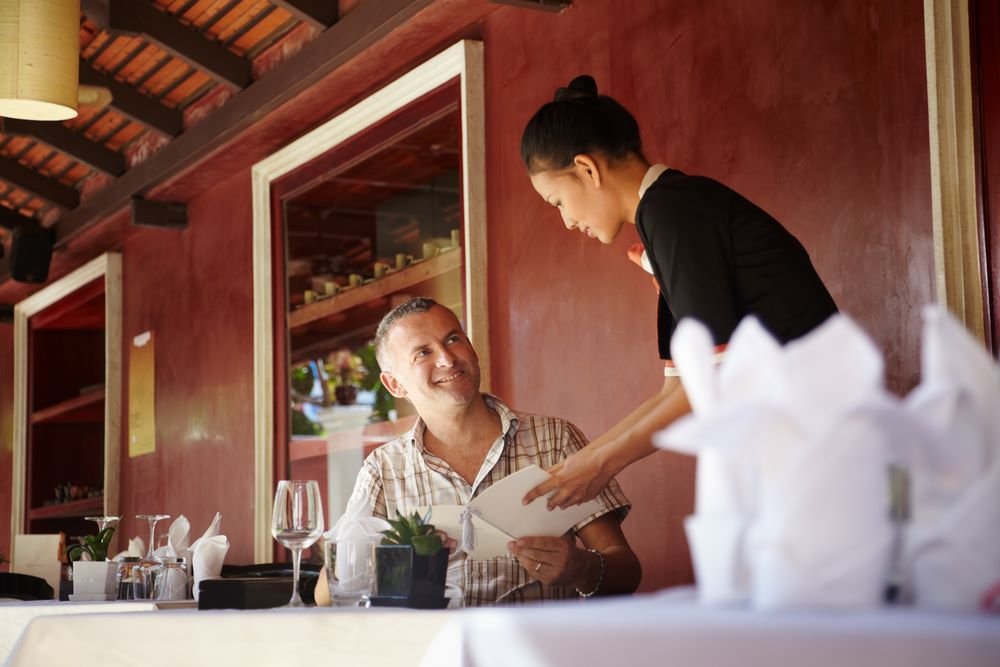
How to Order Food in China By xiaoyueJune 14 2025 A foreign tourist in a Chinese restaunant Dining at a Chinese restaurant in China can be an exciting adventure, but it may feel daunting if you’re unfamiliar with the language or customs. First, Let me introduce how to order food in a Chinese restaurant. There can be two ways to order, using a “paper menu” and “scanning the code to order”, and usually the second way is more common. Ordering from a paper menu There are still some restaurants that use paper menus to order food, and usually there is no English menu, So you need to scan or take a picture of the Chinese menu with your mobile phone’s translation app. It may seem a bit cumbersome, but it’s still a workable solution. You can use professional translation APP such as Google or Baidu or itranslate Scan QR code and order yourself  This is a common practice in Chinese restaurants. Order QR&E-menus Whether it’s a formal restaurant or a small shop on the street, you can ‘scan the code to order’. Usually the QR code is posted on the corner of the table, and you need to scan the QR code with WeChat, and then enter the restaurant’s mini program. Sometimes the program will prompt you to authorize to obtain login information, which only appears when you first login,. After confirming you will see the menu home, some will let you choose the number of people dining, click on the corresponding number of people to enter the menu. If at this time you see the Chinese menu, you will see a spending button displaying ‘translate’ , click it directly,. If there is no spending button ,you can also click the “three dots” in the upper right corner, in the pop-up option, choose ‘translate’, so you can see the English menu!  You can see the English menu, and the price is in RMB.      Step 1 Step 2 Step 3 Secondly, I will tell you something about How to Order Chinese dishes Step-by-Step Grab a Menu: A server will show you to your table and hand you a menu. If you don’t get one, say, “Please give me a menu” (qǐng gěi wǒ càidān).Menus often have pictures, which are a lifesaver if you don’t read Chinese. Of course, more often than not, you just need to sit down, scan the ordering code with your mobile phone and see the English menu. Browse the Menu: Menus are typically organized by dish type, like cold dishes (liángcài), hot dishes (rècài), or soups (tānglèi).If you’re unsure, point to a picture and ask, “What’s this?” (zhège shì shénme?). Place Your Order: – Know what you want? Say, “I’d like this” (wǒ yào zhège) or name the dish.Or Click on the name of the dish directly on your phone to add it to your shopping cart – Need help? Ask, “What do you recommend?” (yǒu shénme tuījiàn de cài?). -Portions: Chinese meals are shared family-style. A good rule is one dish per person plus one or two extras, like rice or soup. Special Requests: Got dietary needs? Mention them early,e.g., “I don’t eat spicy food” (wǒ bù chī là)or “Anything without peanuts?” (yǒu méiyǒu bù hán huāshēng de cài?). Confirm Your Order: The server may repeat your order to confirm. If you don’t understand, a nod or “Okay” (hǎo) works fine. Pay the Bill: When you’re done, say, “The bill, please” (mǎidān or jiézhàng). Most places accept WeChat, Alipay, or cash. By the way,Learning a few basic Chinese words and phrases can go a long way. Here’s a quick cheat sheet: Restaurant Basics: Restaurant: cāntīng (餐厅) Menu: càidān (菜单) Server: fúwùyuán (服务员) Order food: diǎn cài (点菜) Bill: zhàngdān (账单) Useful Phrases: “I’d like this”: wǒ yào zhège (我要这个) “What’s this dish?”: zhège cài shì shénme? (这个菜是什么?) “Any spicy dishes?”: yǒu méiyǒu là de cài? (有没有辣的菜?) “No spice, please”: qǐng bùyào fàng là (请不要放辣) “Can you recommend something?”: tuījiàn yīxià (推荐一下) Food Categories: Meat: ròulèi (肉类) Vegetables: shūcài (蔬菜) Staples (rice, noodles): zhǔshí (主食) Soup: tāng (汤) At last,you need to known some Chinese Dining Etiquette Sharing is Standard: Dishes are placed in the center for everyone to share using chopsticks. Portion Planning: Order one dish per person plus a couple of extras to avoid over- or under-ordering. Be Polite: Servers can be busy, but a smile and patience go a long way. Try Local Specialties: Each region has unique dishes, like spicy Sichuan or light Cantonese cuisine. Ask for the restaurant’s signature dishes. If you want to see other people’s recommendations and avoid pitfalls when ordering, then you can use Meituan and Dianping apps (similar to tripadviso or yelp) to see other guests’ reviews and recommendations. Don’t worry, both apps support English version. Remember keeping Relax and Enjoy,Even with a language barrier, peoples are usually happy to help. A friendly attitude makes all the difference. Related News Transportation Guide for Traveling in China Which Navigation App Should I Use When Traveling in China?

How to Order Food in China Read More »