
The Art of Chinese Tea Ceremony
Chinese Tea Ceremony Will Make You Lose Track of Time
I Paused Time with a Cup of Tea
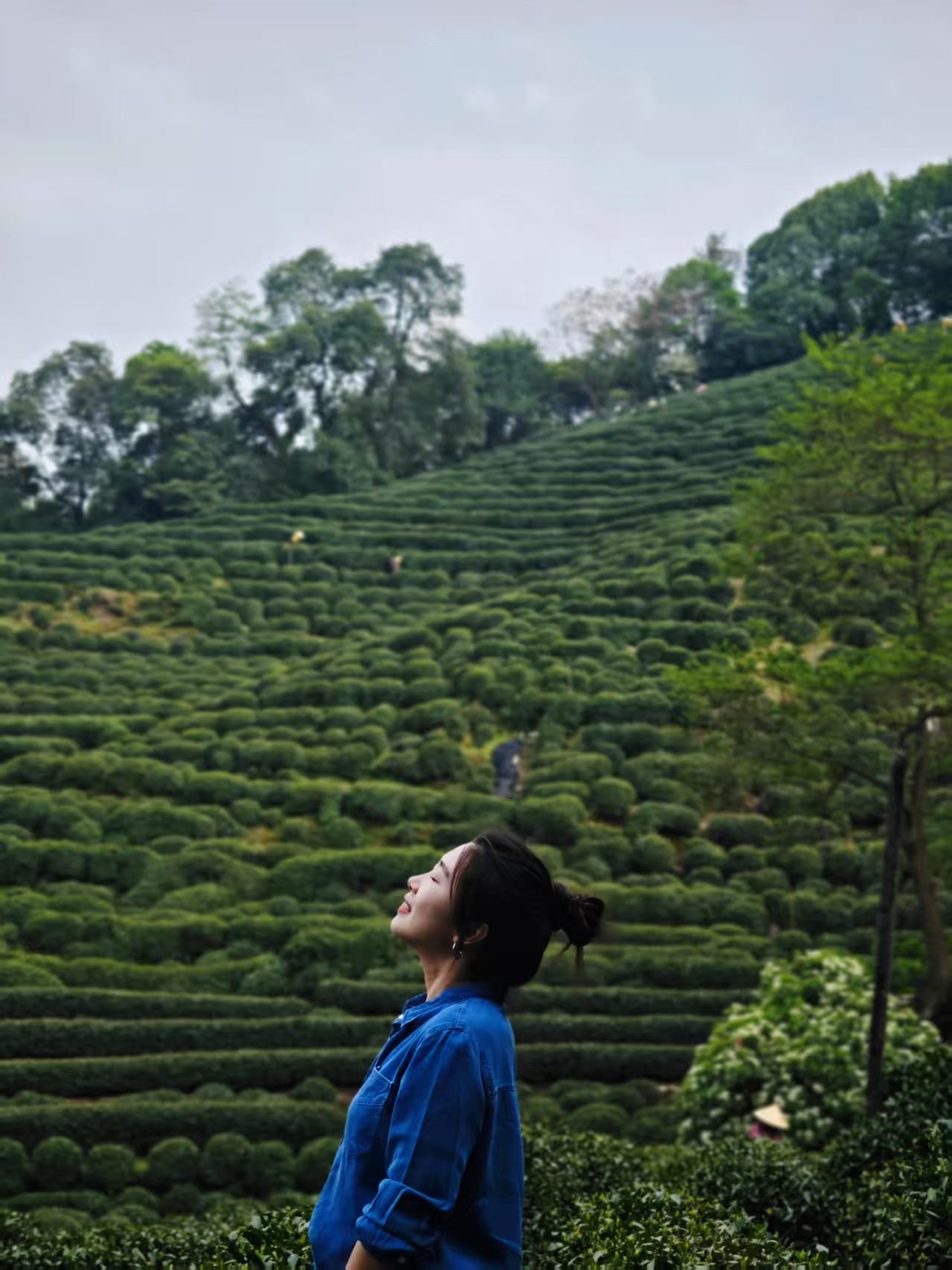
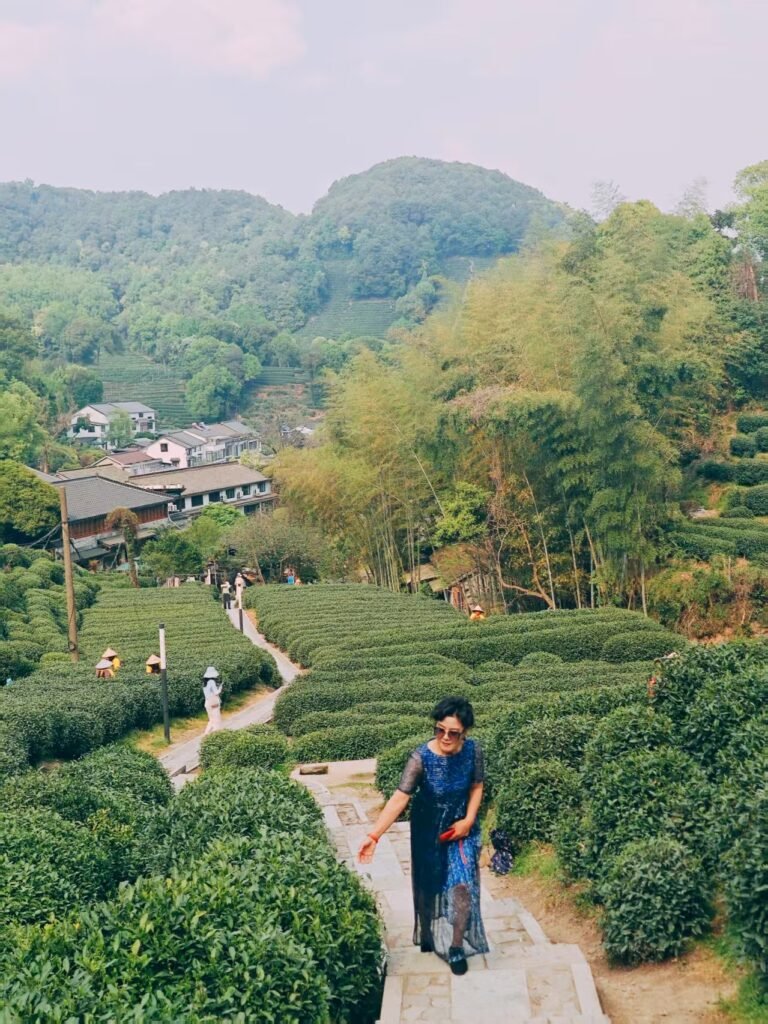
In Longjing Village in Hangzhou, I learned how to pause time with a cup of tea. It’s not magic. It’s the Chinese tea ceremony!
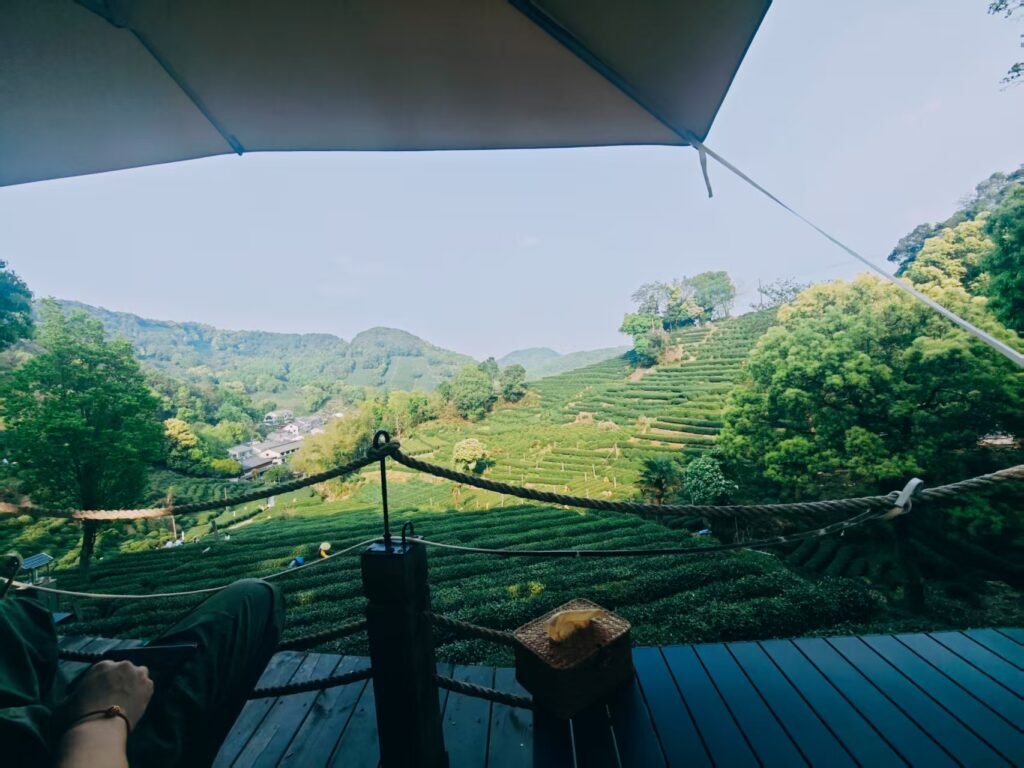
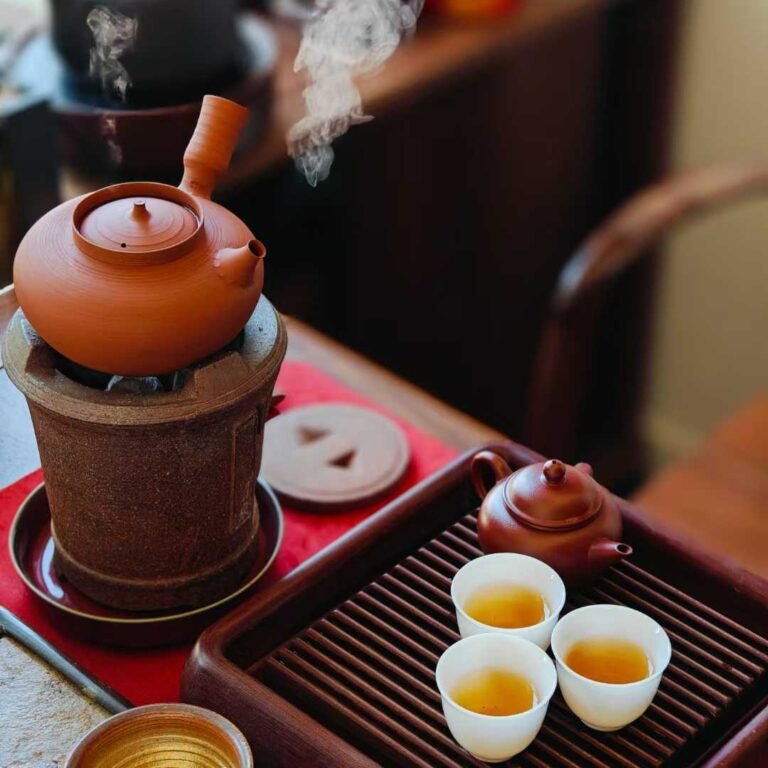
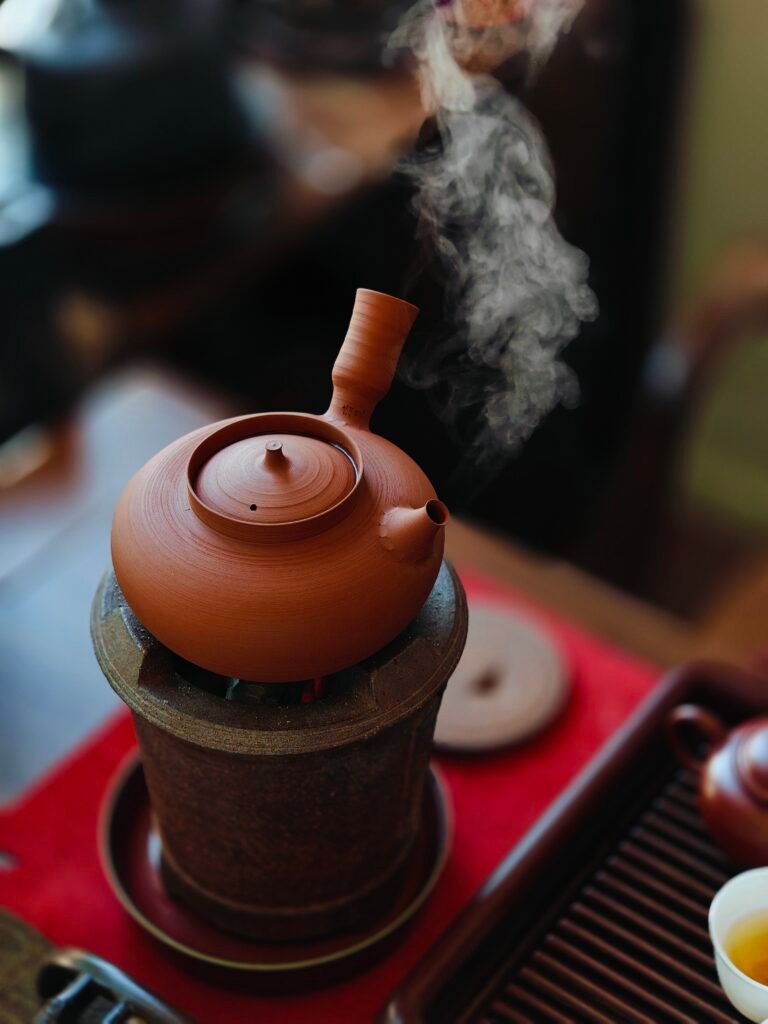
Step into the teahouse and put your phone away, out of reach. Sit down at an old tea table made of boat wood, listen to the gurgle of boiling water, and feel your mood settle into calm. Pick your favorite tea leaves and place them in the cup, then slowly pour in the hot water. Watch the leaves unfurl and breathe in the fragrance. In that moment, every worry in your heart is gone.
Why does tea make us slow down?
Before coming to Longjing, I thought drinking tea was simply a way to quench thirst. Once I sat down, I realized that before tea ever reaches your tongue, it passes through your eyes, your nose and your ears. That is my humble but sincere takeaway from Longjing: for the Chinese, drinking tea is about more than the tea. It is about a stretch of time free from interruption.
One Leaf, Six Faces
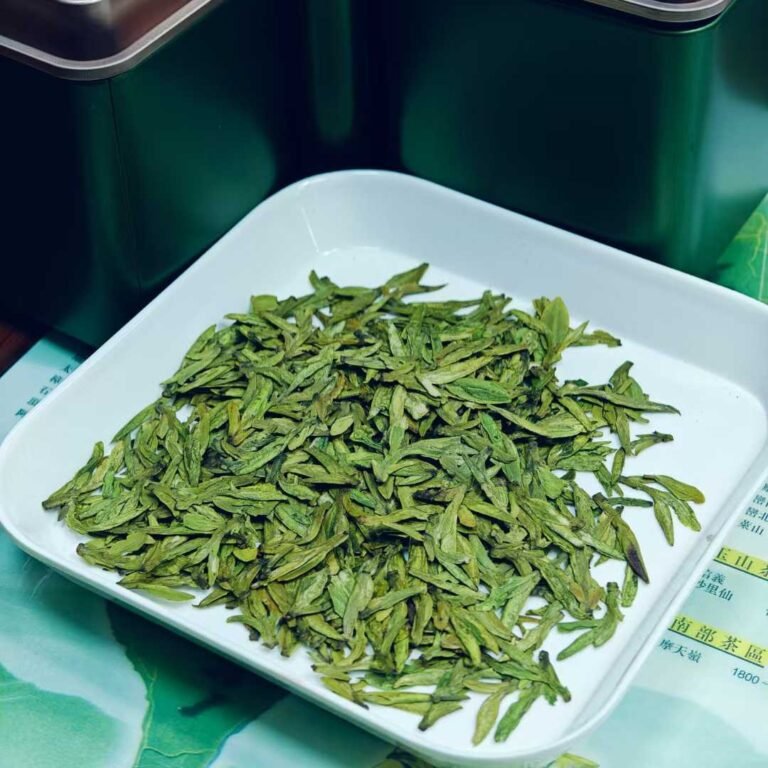
Longjing (Dragon Well) is a green tea, its leaves flat and straight like tiny swords. Green tea is unoxidized, so it keeps the freshest notes of young grass and soybean. Chinese teas are generally divided into six categories by oxidation level and processing:
- Green tea: unoxidized, fresh and crisp, such as West Lake Longjing and Biluochun
- White tea: lightly oxidized, naturally withered, such as Silver Needle (Baihao Yinzhen)
- Yellow tea: lightly oxidized, with an added “sealed yellowing” step, such as Junshan Silver Needle
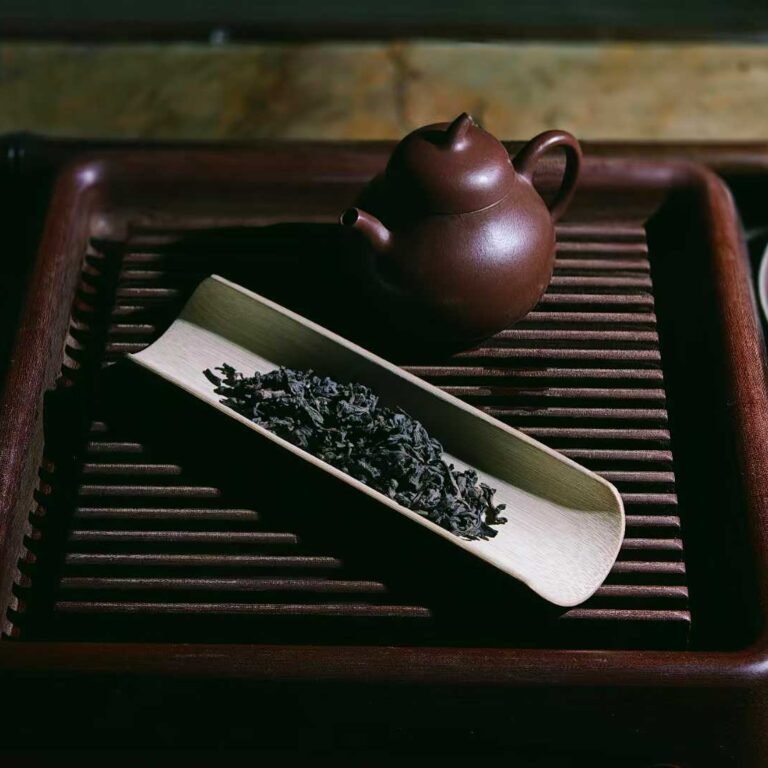
- Oolong tea: partially oxidized, with richly layered aromas, such as Tieguanyin and Da Hong Pao
- Black tea (known in China as “red tea”): fully oxidized, smooth and sweet, such as Keemun (Qimen)
- Dark tea: post-fermented, getting better with age, such as Pu’er
A single tea plant can become entirely different teas depending on when it is picked and how it is processed. As the Chinese saying goes, “Each land grows its own tea.”
How Tea Gets Its Flavor
The teahouse master told me that brewing comes down to three things: tea, water and teaware.
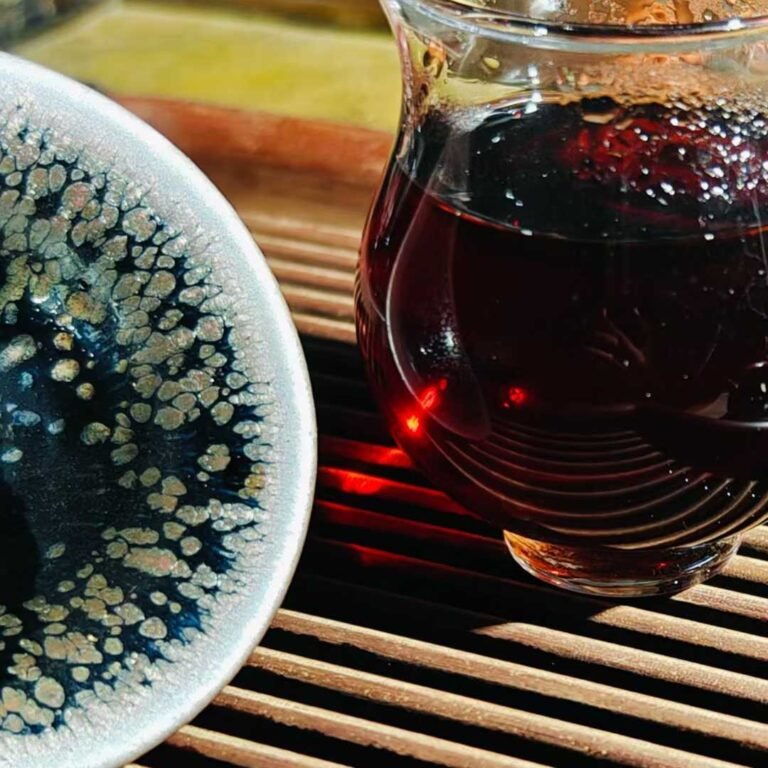
Water temperature shapes a tea’s character. Delicate green teas like Longjing call for water around 80°C (176°F). Water that is too hot “cooks” the leaves and turns the tea bitter. Oolong and Pu’er need water close to boiling to release their aromas.
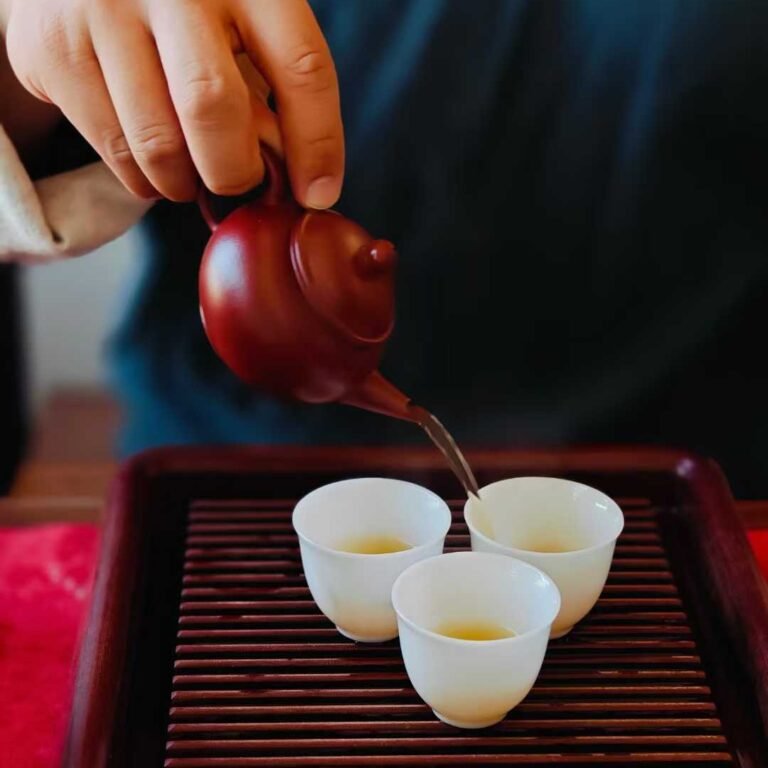
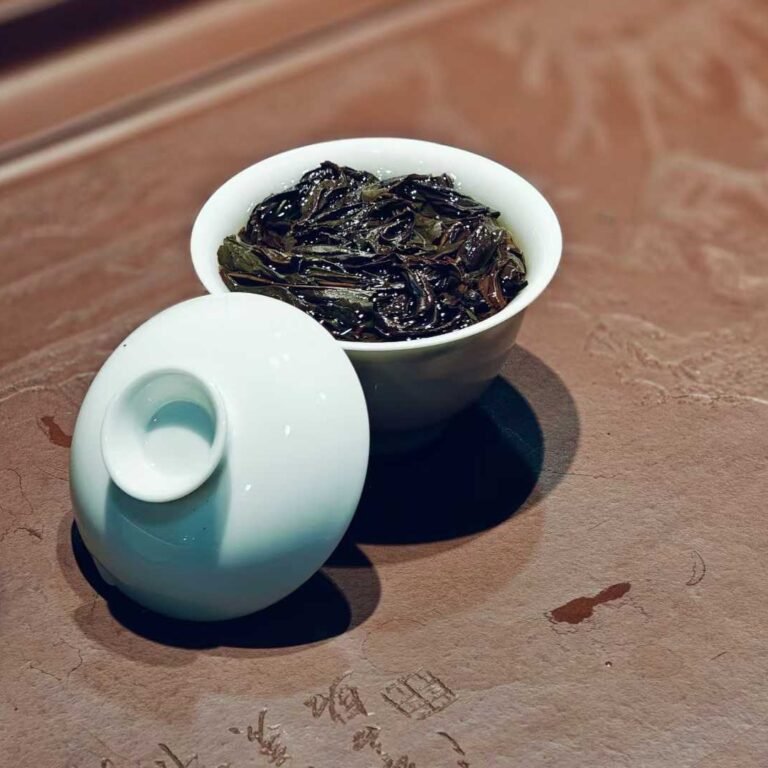
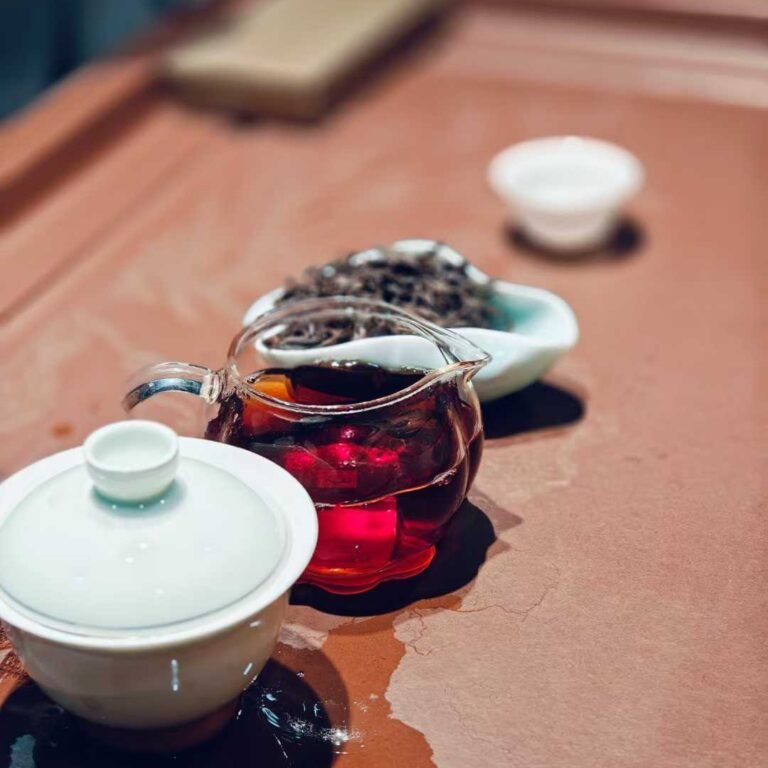
Amount and timing matter just as much. Chinese tea lovers say, “The first infusion is for the water, the second is for the tea, and the third and fourth are the best.” The first pour often just “wakes” the leaves. The real flavor unfolds infusion by infusion. A good tea can be steeped many times, and each cup tastes different.
Beyond the leaves themselves, tea tasting is full of subtle details. The aroma, the flavor of the liquor and the brewing technique are all delicate. Green, oolong, white and black teas each have their own fragrance and color. Even with the same teaware, different people will brew different-tasting tea.
Just like coffee, everyone has a favorite flavor! So don’t worry about which tea is “best.” The one that makes you feel at ease is the right one.
Small Etiquette at the Tea Table
Chinese tea tables have a few unwritten customs that first-time visitors may find curious:
Finger tapping: When someone pours you tea, you can tap the table twice with your index and middle fingers to say “thank you.” Legend has it that the custom began when the Qianlong Emperor of the Qing dynasty traveled in disguise and poured tea for his attendants. They couldn’t reveal his identity or kneel, so they tapped the table instead. The story may not be historically verifiable, but it gives the gesture a charming backstory.
Never fill the cup to the brim: As the saying goes, “seven-tenths for tea, eight-tenths for wine.” Tea is poured only about seven-tenths full. It keeps the cup easy to hold without burning your fingers, and it carries a quiet meaning of leaving room to spare.
Tea Is Everyday Life in China
The tea ceremony may sound ritualistic, but in China tea is mostly just part of life.
Friends say “let’s brew a pot and talk it over,” business deals begin with “have a cup of tea first,” and older folks in the park nurse a big glass of tea for a whole afternoon. Tea is how we welcome guests, a cushion between people, and a small blank space we leave for ourselves in a busy life.
Lorem ipsum dolor sit amet, consectetur adipiscing elit. Ut elit tellus, luctus nec ullamcorper mattis, pulvinar dapibus leo.
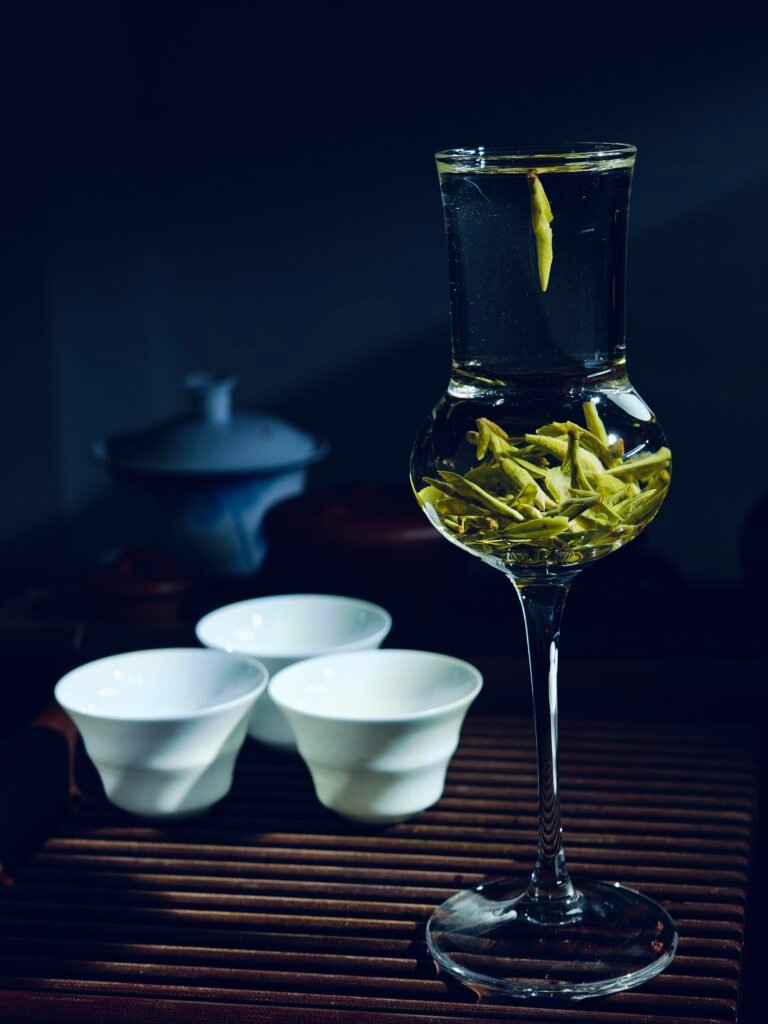
Longjing (tea)
Tea set and Tea Snacks
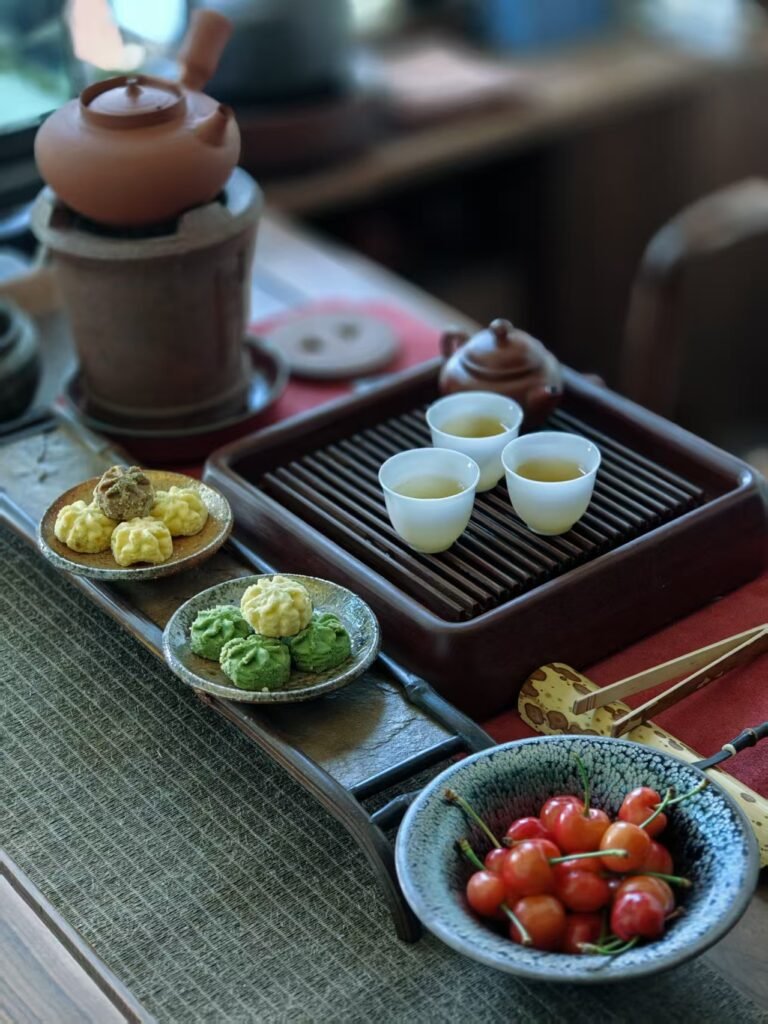
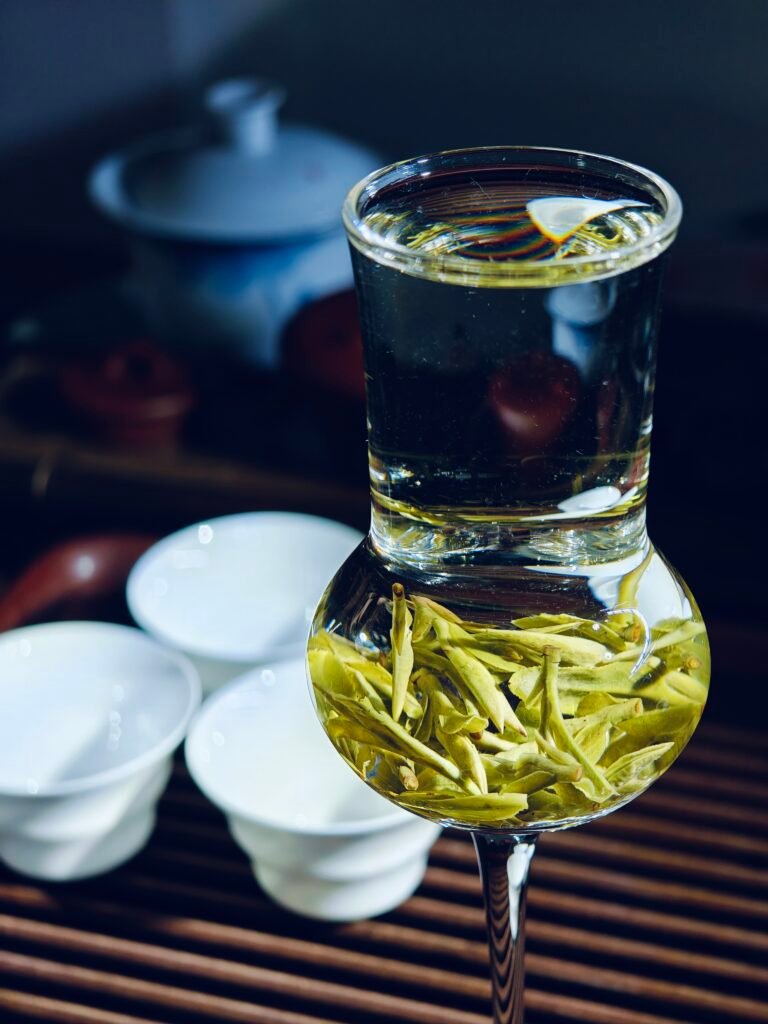
Longjing (tea)
Clay Teapot
Standing at the edge of the tea fields in Longjing, I suddenly understood that the tea ceremony isn’t mysterious. It simply teaches one easy thing: put down your phone, boil the water, brew the tea, wait, and give this one cup your full attention.
If you travel to China, set aside an afternoon like this for yourself. You don’t need to know many rules or recite the classics. Find a quiet teahouse, sit down, and watch the leaves slowly unfurl in the water. That’s enough.
When anxiety tightens its grip, surrender to a tea ceremony: let boiling water hum its lullaby, watch emerald leaves dance open like ballerinas, and find calm unfurling in a porcelain cup—no Freudian analysis required, just leaves that once bathed in golden light.
