
How to plan your first travel to beijing
If it’s your first time in Beijing, it’s worth preparing in advance: how to find local specialities, where to stay, how to get around, which essential apps to download, and so on. This article will tell you everything you need to know about planning your first trip to Beijing.
Apply for a Visa
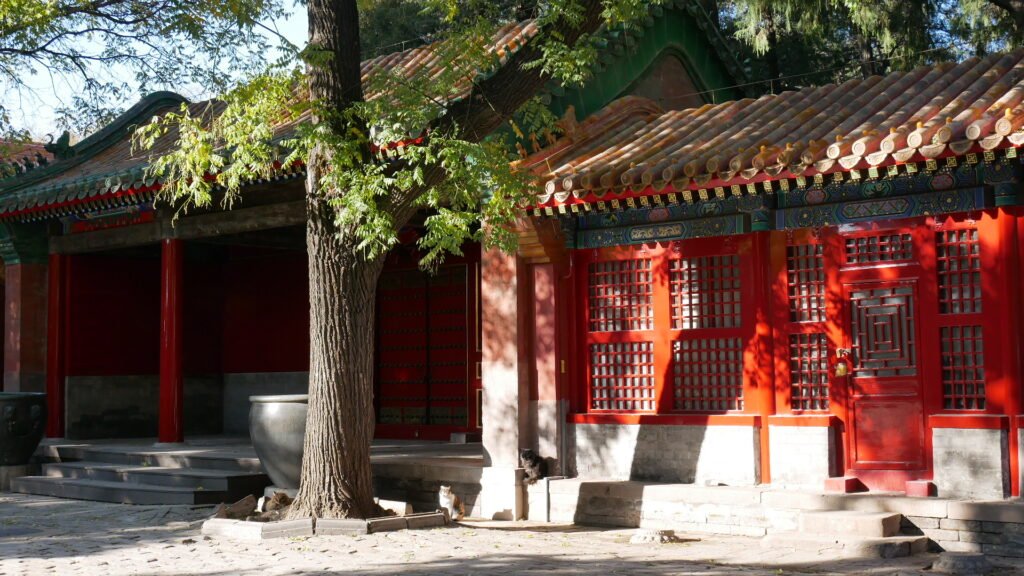
First, check if your passport qualifies for China’s 72 or 144-hour transit visa waiver, or if you’re from a visa-exemption country. If yes—congrats! No tourist visa needed. If not, apply for that L Visa 6-8 weeks early. Oh, and make sure your passport has over 6 months’ validity! Pro tip: Avoid visiting Beijing during National Day (Oct 1-8) and Spring Festival (dates change yearly—double-check!). These holidays turn attractions into human oceans. Seriously, you’ll be packed like sardines!
Three Things to Sort Before You Land in China
Seriously, just wave your phone in China—money, meals, rides, all sorted!What to do?
First,grab a VPN before landing—you’ll need it for Google, WhatsApp, Instagram, all that good stuff. Get Alipay or WeChat Pay hooked up to your Visa/Mastercard—that’s how 90% of payments work here, but stash ¥200 cash just in case. Oh, and snag a Chinese SIM card—makes app sign-ups and calling hotels way easier. Order one from ‘Nihao Mobile’ (ship to your hotel—just warn the front desk) or grab it at the airport.
Where to stay for easy exploring?
Here’s how to stay both convenient and cheap: stick close to Subway Lines 2, 5, and 8, and skip the markup right outside the main gates of tourist sites.
Here are the best value-for-money neighborhoods for first-timers:
Best Bang-for-Buck Areas to Stay
- Chongwenmen / Qianmen / Zhushikou: This is prime real estate inside the 2nd Ring Road, where Lines 2, 7, and 8 all meet. Tiananmen, the Forbidden City, and the Temple of Heaven are all a quick trip away, and the area’s packed with old-school local restaurants. Compared to Wangfujing, chain hotels and guesthouses here are way more affordable—expect to snag a solid room for ¥300-450.
- Beixinqiao / Yonghegong / Dongsi: Sits along Lines 2 and 5, making it easy to reach the Forbidden City, Lama Temple, and Nanluoguxiang. This area is stacked with old Beijing hutongs hiding charming guesthouses and low-key coffee shops—great vibe, usually ¥300-400.
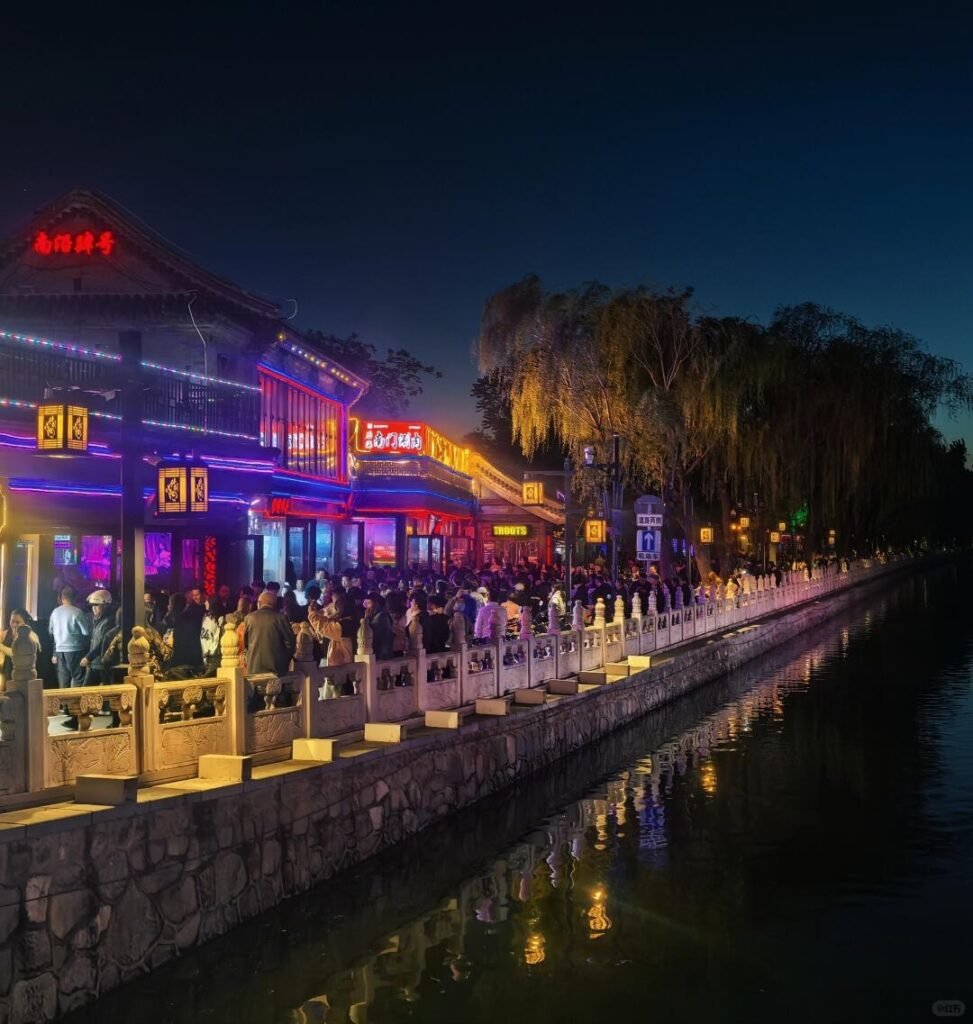
- Ping’anli / Shichahai / Gulou Dajie: Perfect if you’re into hutong culture and nightlife. You’ll be right by a subway station, walkable to Shichahai and Yandai Xiejie. Pro tip: skip the core bar-street area of Houhai and go for hutong guesthouses closer to the 2nd Ring main roads instead—quieter, still full of character.
Booking Tips & Pitfalls to Avoid
- Watch out for “too good to be true” prices: Some listings advertise rooms for 100-something yuan, but click in and you’ll often find it’s peak-season pricing or requires stacking coupons. Legit, clean chain hotels with windows inside the 2nd Ring typically run ¥250-400 in low season—expect that to double during peak season, so book ahead.
- Check the room size: Older hotels and hutong guesthouses inside the 2nd Ring tend to have small rooms. Always check the square footage listed before booking so you don’t end up somewhere cramped.
- Confirm elevator access and soundproofing: A lot of budget hutong guesthouses or older buildings don’t have elevators—plan ahead if you’ve got big luggage. Street-facing rooms can also be noisy, so light sleepers should look for rooms specifically noted as “soundproofed” or ask about window placement.
What to eat in Beijing
_1_是凯妹阿-_来自小红书网页版-768x1024.jpg)
Must-Try Classics
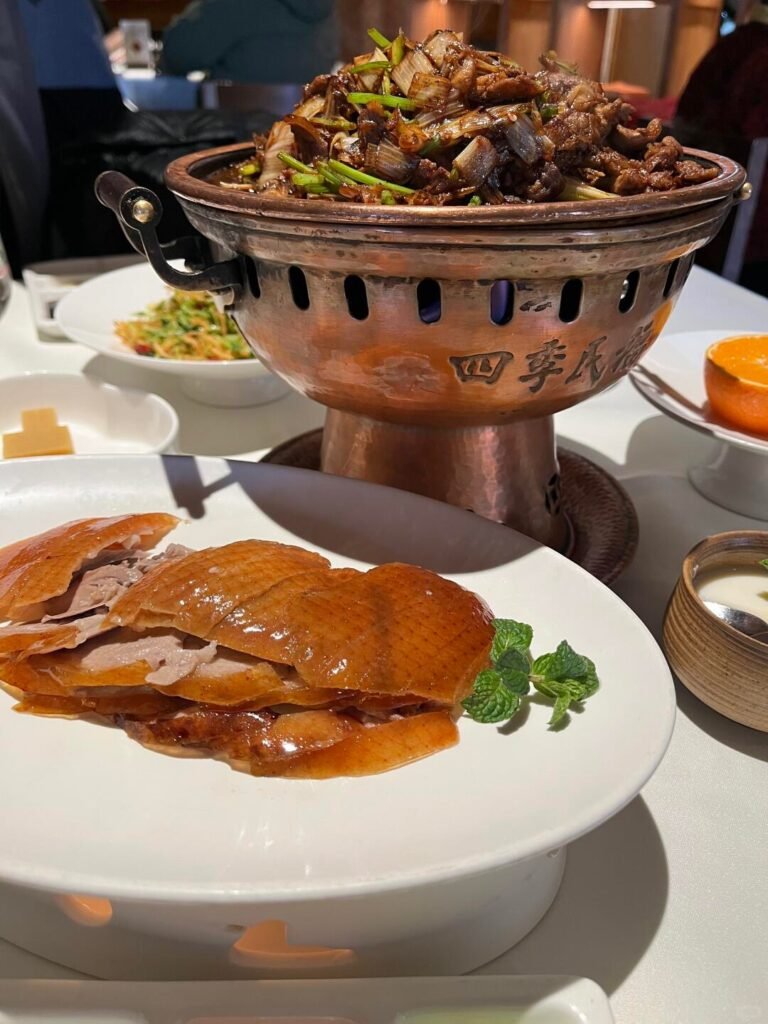
- Peking Duck: The undisputed number one. Crispy skin, tender meat—wrapped in a thin pancake with scallions and sweet bean sauce, it’s a knockout in one bite.
- Old Beijing Copper Pot Hot Pot: A clear broth base with fresh-sliced lamb, dipped in sesame paste—healthy and delicious. Try Donglaishun or Jubaoyuan, and don’t forget to order a side of candied garlic—it’s the perfect palate cleanser to cut the richness.
- Zhajiangmian (Fried Sauce Noodles): Hand-pulled noodles topped with rich meat sauce and crisp veggie toppings—this is real old-school Beijing home cooking.
Local Experiences
Hutong Street Food: Head to Niujie, Huguosi, or Qianmen Street to try candied hawthorn skewers (bingtanghulu), rolled glutinous rice cakes (lǘdagunr), and pea flour cake (wandouhuang). If you’re feeling adventurous, dare yourself to try douzhir (fermented mung bean juice) and fried intestine (zhaguanchang).
Foolproof Ordering:
Use Dianping App to:
① Scan menu photos → auto-translate
② Order “Recommended Dishes” with one tap

How to Order Food in China
Practice the Language
Many younger Chinese do speak English, but there’s a fair-sized population who that doesn’t! Learn a few words to break the ice with the locals.
Mandarin is the default language in most parts of China, so try to pick up the basics- nihao (hello/goodbye), xiexie (thank you), dui buqi (sorry), ganbei (cheers)- and try them out at a restaurant, on the street asking for directions, or in a taxicab!
Safety Essentials
Coming to China—especially Beijing—is very safe, whether you’re traveling with family, friends, or solo. That said, here are a few things worth knowing ahead of time.
IDs & Basic Info
Carry your passport with you: Most major Beijing attractions (like the Forbidden City and Tiananmen Square), subway security checks, and hotel check-ins require passport verification—make sure your friends bring the original, not a copy.
Save these emergency numbers: Police 110, Fire 119, Medical Emergency 120, Traffic Accidents 122. For consular assistance, the Ministry of Foreign Affairs’ Global Consular Protection Hotline is 010-12308.
Transportation Safety
Stick to official ride-hailing apps: Didi (which has an English interface) is your best bet—avoid unlicensed “black cabs” or metered taxis that won’t run the meter near tourist spots, which can lead to overcharging or detours.
Subway & bus travel: Beijing’s subway is extensive and convenient, but transfers at major stations can involve long walks, so build in extra time. For buses, you can pay with Alipay or the city’s transit card.
Know the cycling rules: Shared bikes are banned entirely along Chang’an Avenue and throughout Tiananmen Square. Hutong streets are narrow—never block a resident’s courtyard gate when riding or parking.
Ticket Bookings & Avoiding Scams
Book real-name tickets in advance: Major sites like the Forbidden City and the National Museum require real-name online booking ahead of time (the Forbidden City typically opens tickets 7 days out, released nightly at 8pm)—same-day tickets are usually unavailable on-site.
Watch out for cheap day tours: When heading to Badaling or Mutianyu Great Wall, stick to official tourism shuttle buses or high-speed rail. Street touts offering “cheap day tours” often bundle in forced shopping stops.
Shop through legit channels: When buying Peking duck or souvenirs, stick to large chain supermarkets or official attraction shops—avoid overpriced, low-quality goods from random street stalls.
Payments & Connectivity
Set up mobile payments beforehand: Download Alipay or WeChat Pay ahead of time and link an international credit card. Some small transactions may still require cash, so keep a bit of RMB on hand.
Be cautious with eSIMs: eSIMs sometimes can’t receive domestic SMS verification codes (like bank OTPs)—it’s better to get a physical local SIM card or use international roaming.
Download these useful apps: Amap (more accurate navigation), Baidu Translate (supports photo-translation for menus), and Didi—these go a long way in bridging language and information gaps.
Cultural Norms & Public Etiquette
Follow security checks and queuing rules: Beijing’s subway and attractions have strict security screening—power banks and liquids must meet regulations. Queue-cutting is taken seriously in public spaces and can spark conflict.
Respect dietary and social customs: Halal restaurants strictly prohibit pork and alcohol. Please don’t play audio or video out loud in enclosed public spaces like the subway or libraries. Some local specialties (like douzhir or lǔzhǔ) have distinctive flavors—no need to force yourself to try them if they’re not your thing.
Remember to claim your tax refund before your leaving
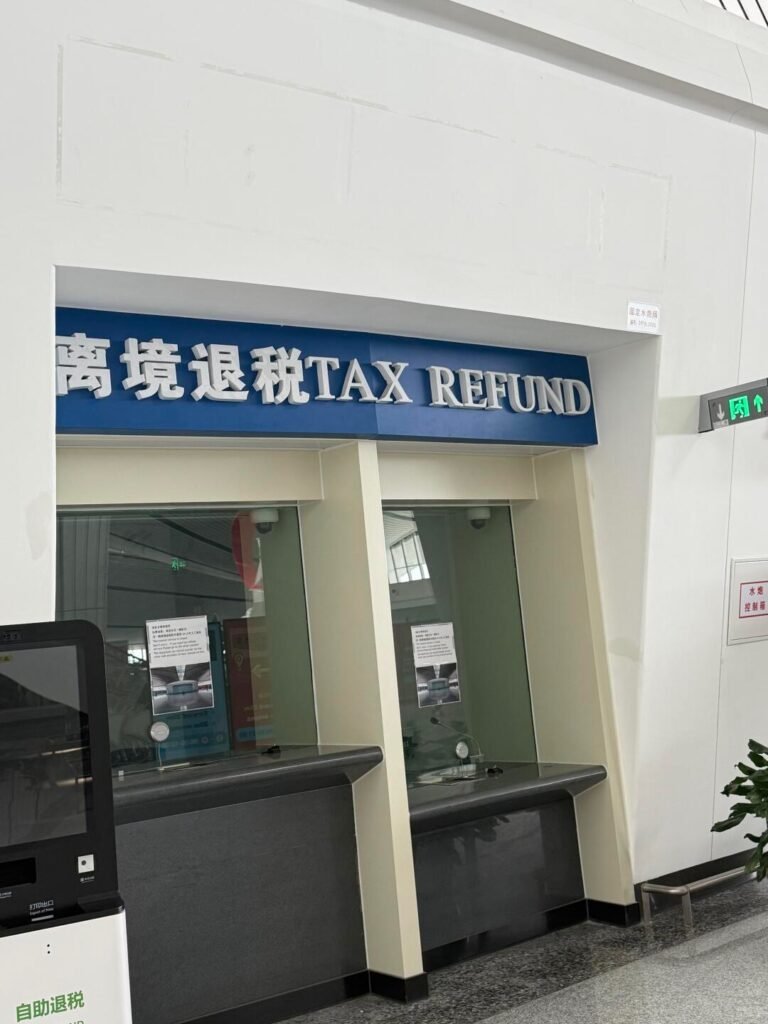
Find “Instant Refund” Shops
→ Look for stores with “Instant Tax Refund on Departure” signs (e.g., SKP, China World Mall, WF CENTRAL).
Shop & Sign Agreement
• Single receipt ≥¥500
• Show passport/Taiwan Compatriot Permit
• Sign the “Terms Agreement”
• Pre-authorize credit card (amount = refund)
Get Cash Immediately!
Staff verifies documents → Receive RMB cash refund via:
✓ WeChat/Alipay ✓ Bank card ✓ Cash
Departure Check
At customs:
• Use “Tax Refund” lane
• Show:
✔️ Unused goods
✔️ Original invoices
✔️ Refund forms
⚠️ Fail to depart on time? Pre-authorized amount will be charged!
Non-Refundable Items
Food, alcohol, cigarettes, cars.
✅Refund allowed for 21 categories:
Luxury goods, cosmetics, electronics, etc.
Beijing Survival Musts
① Carry your ORIGINAL PASSPORT daily (checked at attractions/hotels)
② Enter top sights like Forbidden City EXACTLY during booked time slots—late arrivals get denied!
③ Use Amap (Gaode) for buses—real-time English updates ✓
Toilet Tip
Public restrooms are everywhere—BUT always carry tissues! (none provided inside)
💰 Smart Saving Move
▶ Bike + subway combo = Avoid traffic jams + save money!
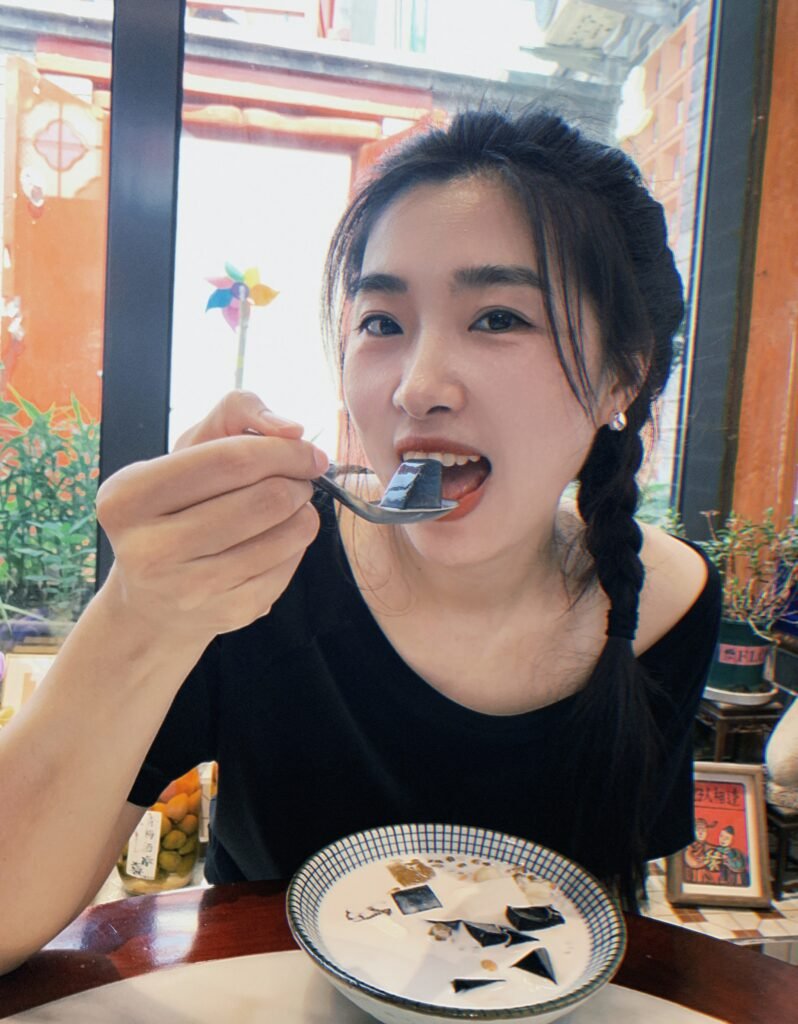
Hey! I’m Yolanda, a traveler with adventure in my blood and taste buds forever hunting for the next feast. My mission? To live off the beaten path and constantly seek out the new and exciting.
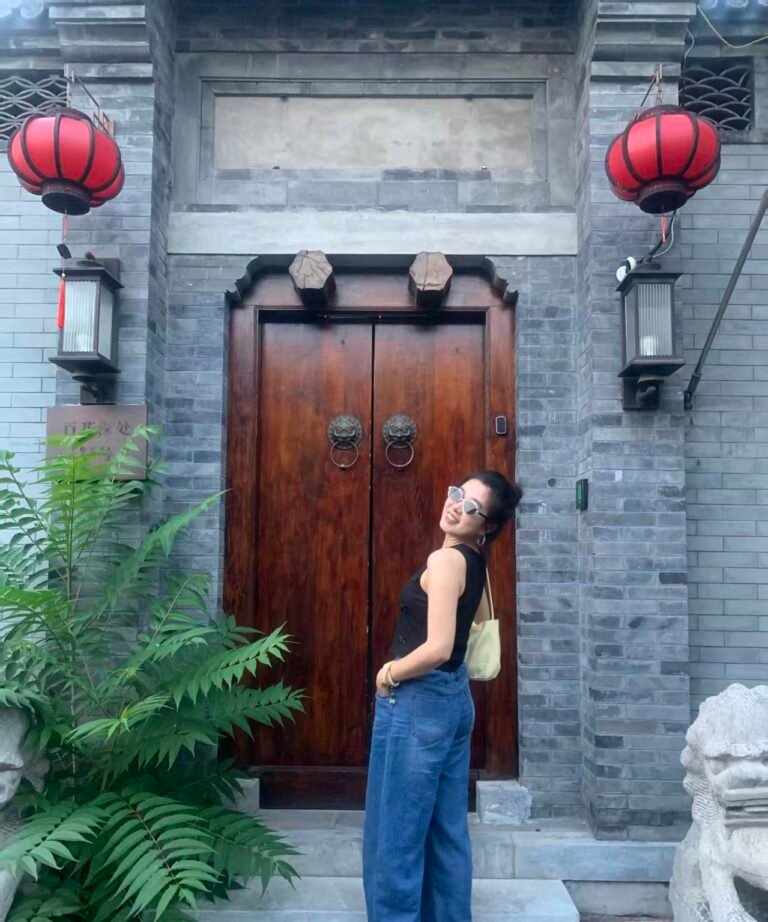
BEIJING-HUTONG
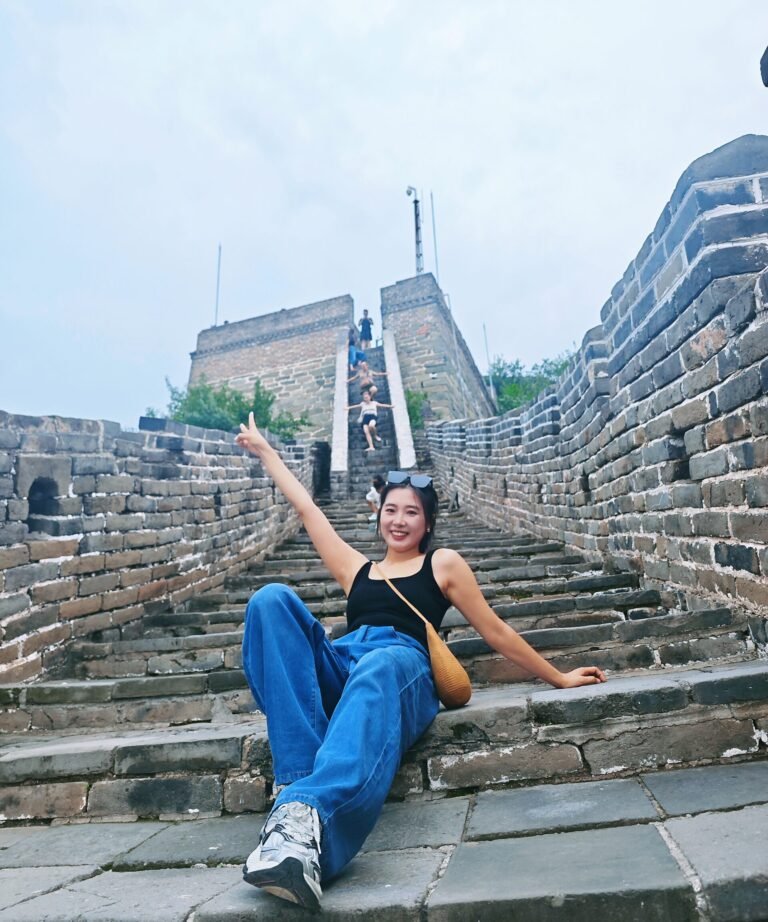
MUTIANYU GREAT WALL
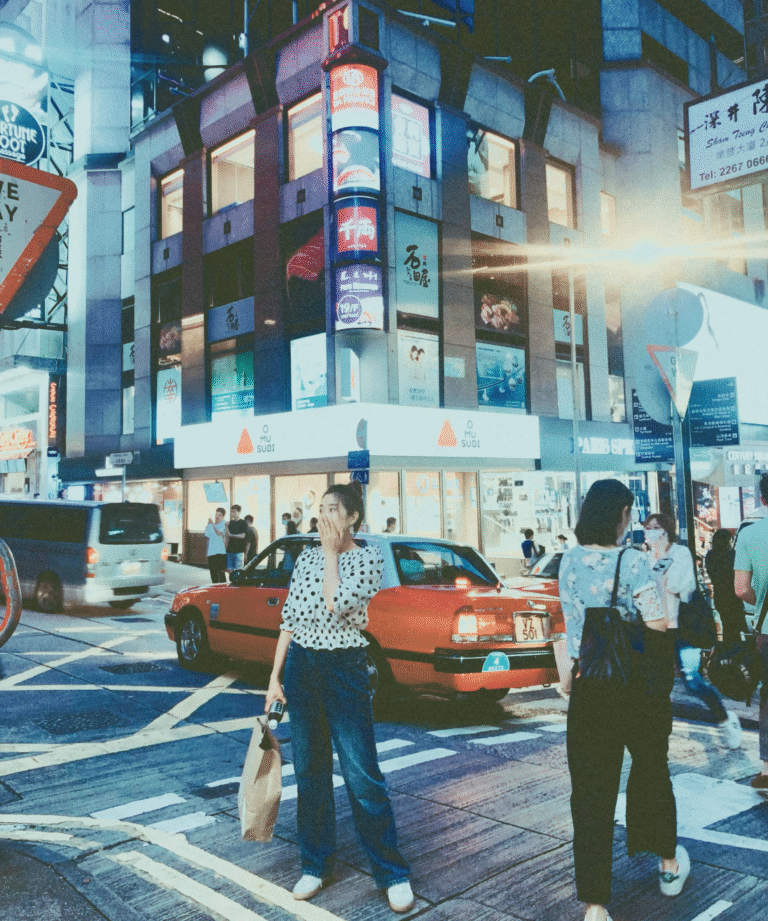
HONGKONG
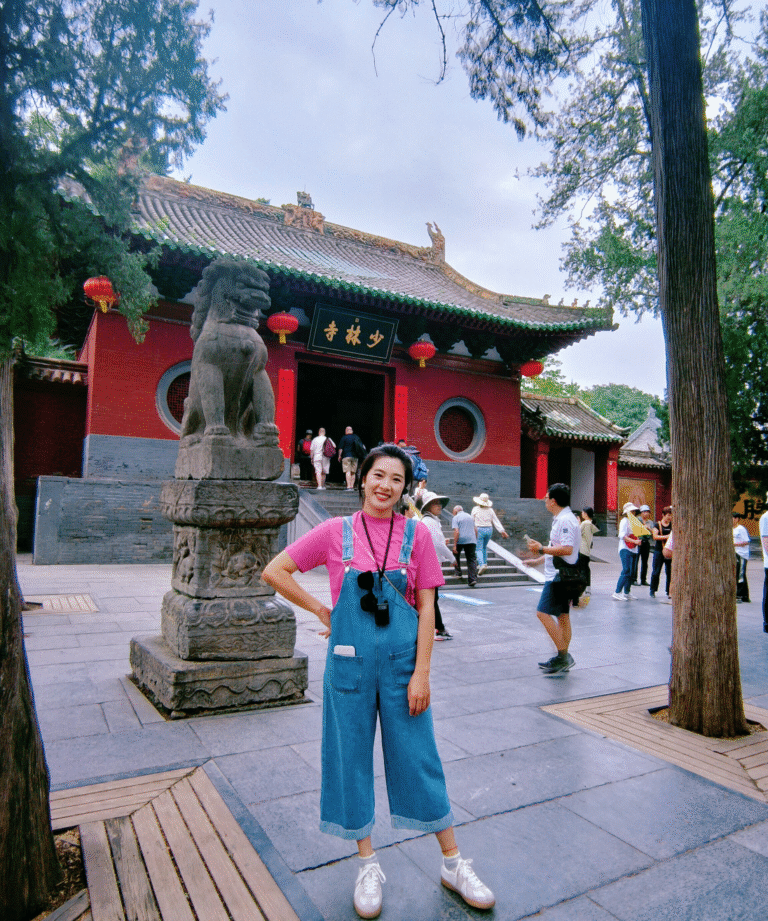
SHAOLIN TEMPLE
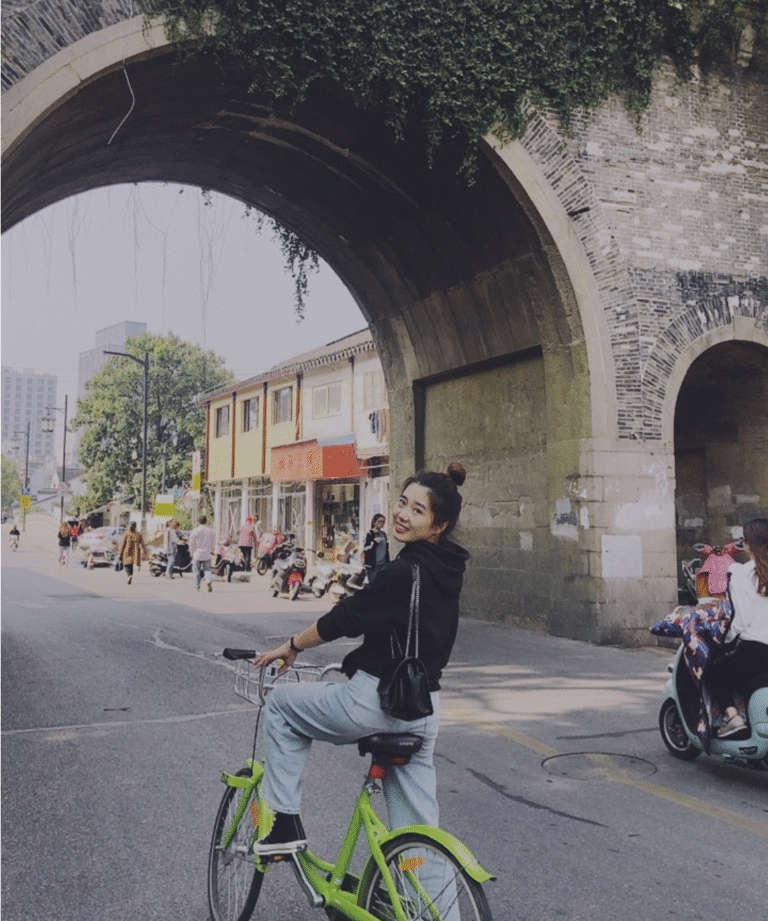
XI'AN

QINGDAO
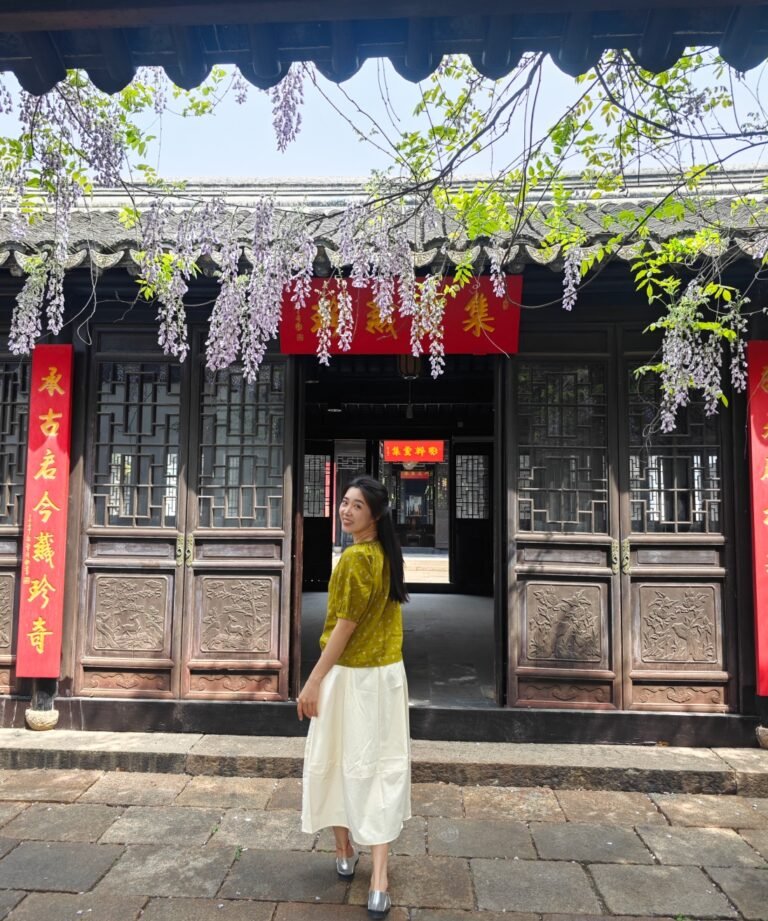
SUZHOU

© 2026 TripExpectJouney All Rights Reserved
