
Three Moments in Old Suzhou
Slow down, and slower still — only then does this city show you what it actually looks like.
Suzhou is one of my favorite cities, full stop. I’m not from here. I’ve just been back enough times now — enough springs, enough humid summer afternoons — that I’ve stopped telling people to visit a specific garden when they ask what the city is “really” like. Instead I tell them about a market stall, a quiet meal behind an unmarked door, and an afternoon spent doing absolutely nothing in a teahouse. These are the moments that stayed with me, collected over more visits than I can actually count anymore.
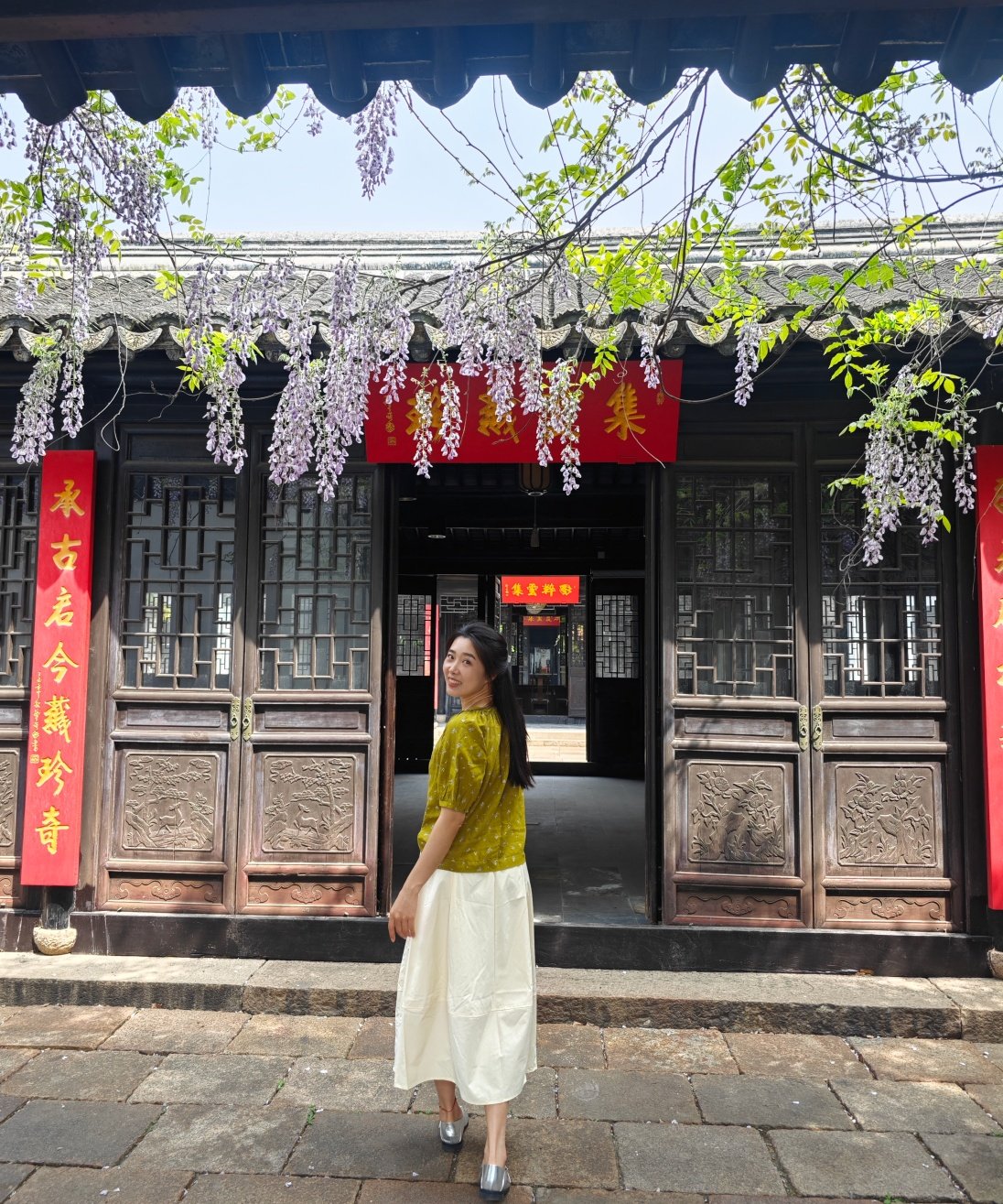
Head to Shuangta Market for a taste of old Suzhou
Real Gusu street life, I’ve decided, is hiding inside Shuangta Market. It’s an old-school wet market that’s been redone with an unmistakably Suzhou aesthetic — half fresh produce and market stalls, half soft, sweet local snacks — and as someone who plans entire trips around what I’m going to eat, this was exactly my kind of morning.
The weather that day was brutal — I’d already sweated through my shirt twice before 10am — but that didn’t slow me down one bit. I showed up early and just kept ordering.
An aunty at one stall — everyone just calls her 大孃孃(da niang niang) — hands me a bowl of taro-and-mochi rice balls, soft and just sweet enough, nothing overdone. A few stalls over, Tangzhifang’s begonia cake comes out of the pan and I eat it standing right there, still hot, the outside shattering slightly with each bite. At Laokeman I get tofu pudding with a savory egg pancake — the kind of comfort food that just settles you, as they say here. Jiangji’s fried pork chop is next, crisp on the outside, still juicy inside, not a trace of toughness. And I save the prettiest for near-last: the lotus pastry from Bainiantonghe · Jiangnan Dim Sum Court, its layers of flaky pastry stacked so precisely it almost feels wrong to bite into it.
The market itself isn’t big. But everything in it, every single stall, tastes unmistakably like Suzhou.

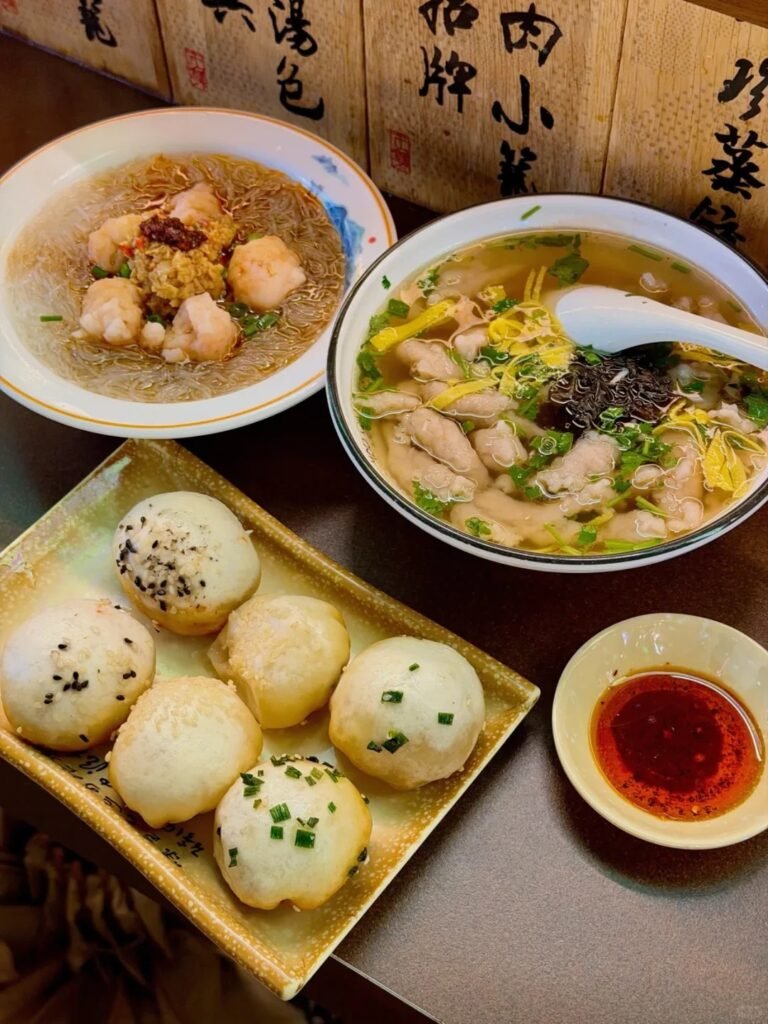
Stroll through the back alleys of Suzhou
We wandered off Pingjiang Road into a lane so narrow even the map app hesitated for a second before committing to a route.
There was a door with no sign on it. Pushing it open felt like opening a diary someone had forgotten they’d written. There was no menu inside — just whatever the owner felt like cooking that day. Every dish arrived still carrying the warmth of the hands that made it.
He told us the ingredients have to be picked out in person, that a dish has to be thought through slowly, cooked slowly — you can’t rush it. What he’s making isn’t really food, I realized somewhere around the second course. It’s a way of living that’s slowly disappearing from cities — the kind that still takes every single vegetable, every grain of rice, seriously.
Everything we ate tasted clean, like stone pavement right after rain. Gentle, the way Suzhou dialect sounds when you don’t fully understand it but can still tell it’s being spoken softly. We ate slowly — slowly enough to hear ourselves chewing, slowly enough that it reminded me of dusk in my grandmother’s kitchen. I don’t think real comfort comes from extravagant food. It comes from someone willing to spend their time, and mean it, cooking a meal for you.
The lane was still quiet when we left — unexpectedly quiet, no loud signage anywhere, just a small river flowing past and a footpath running alongside it.But something in me had been set down gently, without my noticing exactly when.
The sun was going down by then, scattering gold across the water in a way that felt almost unreasonably tender. Someone cycled past. A dog sat at the mouth of the lane, staring at nothing in particular. This, I thought — this is Jiangnan life. We walked until our legs were tired and found a noodle shop nearby, tried both the white broth and the red, and both were good.

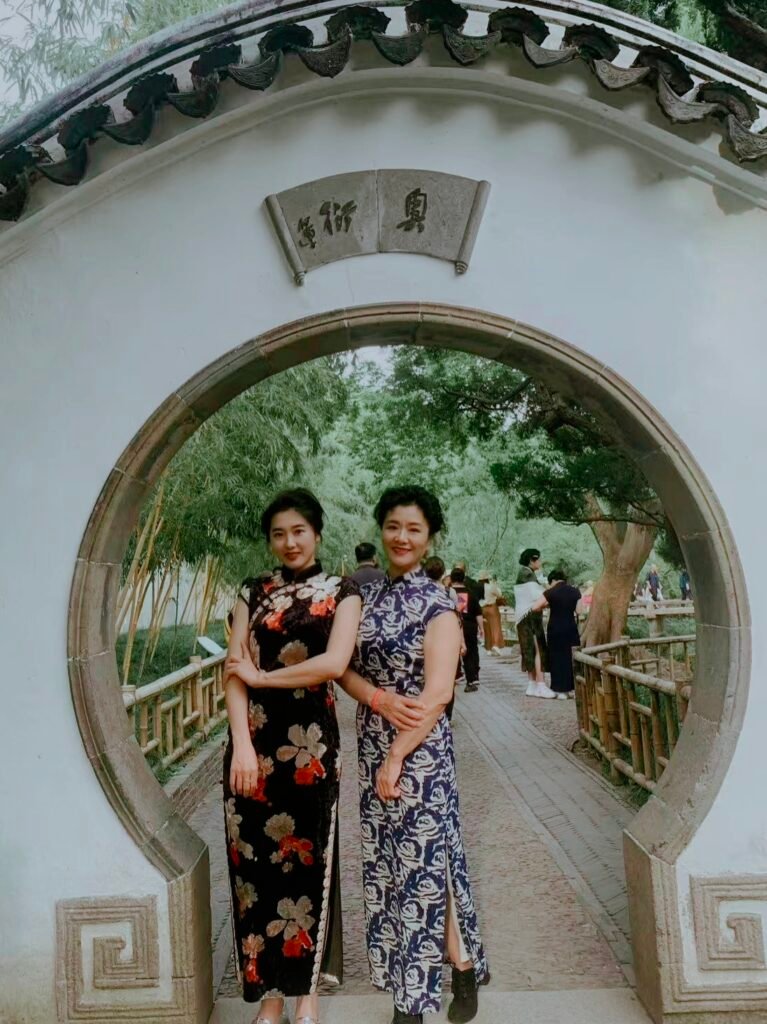
Listen to a pingtan performance at Guangyu Bookhouse
By the time my legs started aching from all the walking, I ducked in here just to rest for a bit.
The bookhouse sits down a small lane off Guanqian Street, and you enter through a Qing dynasty gate tower, weathered in a way that feels genuinely old rather than restored to look that way. Inside, the air conditioning was on, and I just sat.
Pingtan drifted through the room — soft, winding, unhurried. Two performers sat side by side, one plucking a pipa, the other a sanxian, the strings trading off in small phrases before folding back under the singer’s voice. I couldn’t follow the words, but the dialect itself was the point — Suzhou people call it 吴侬软语(wu nong ruan yu), “soft Wu speech,” and hearing it sung like this, I finally understood why. Every syllable seemed to lean into the next one instead of landing flat, the whole sentence curving rather than stopping, like the difference between a stone dropped in water and one skipped across it. No itinerary to rush through, nothing to be anxious about. Every table gets its own pot of Biluochun, and I think I refilled mine until the pot was basically empty, sipping tea with one hand and just listening with the other half of my attention.
This, I think, is what “leisure after tea and rice” actually means to people here,not a special occasion, just an ordinary afternoon that nobody’s in a hurry to end.

More Story


Join us
Get the occasional email from TripExpect — things worth knowing before or during your trip.
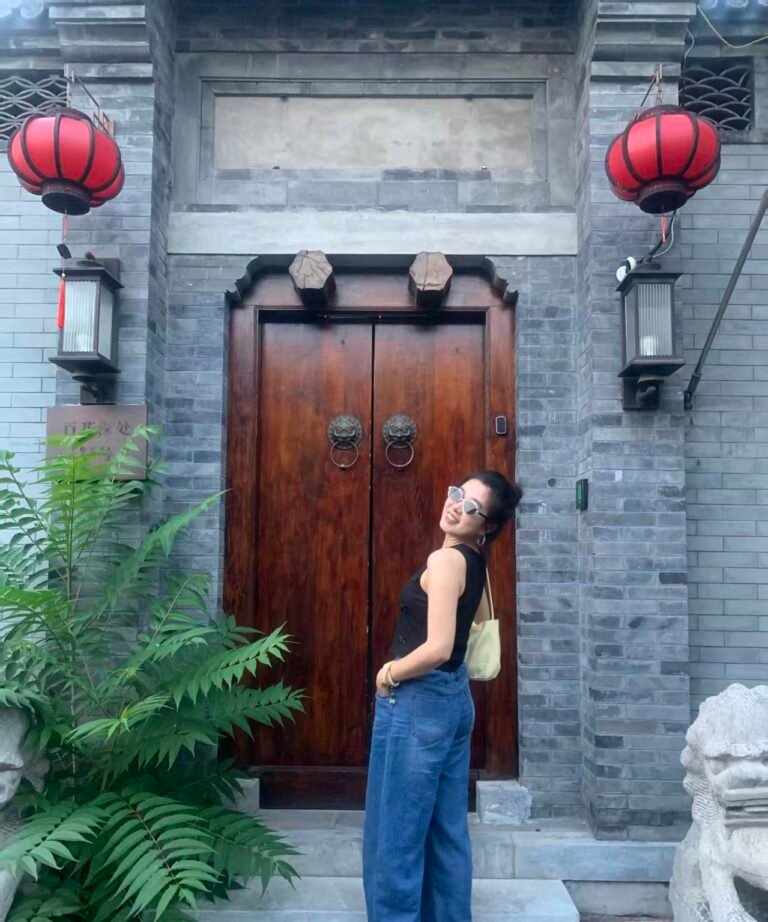
BEIJING-HUTONG
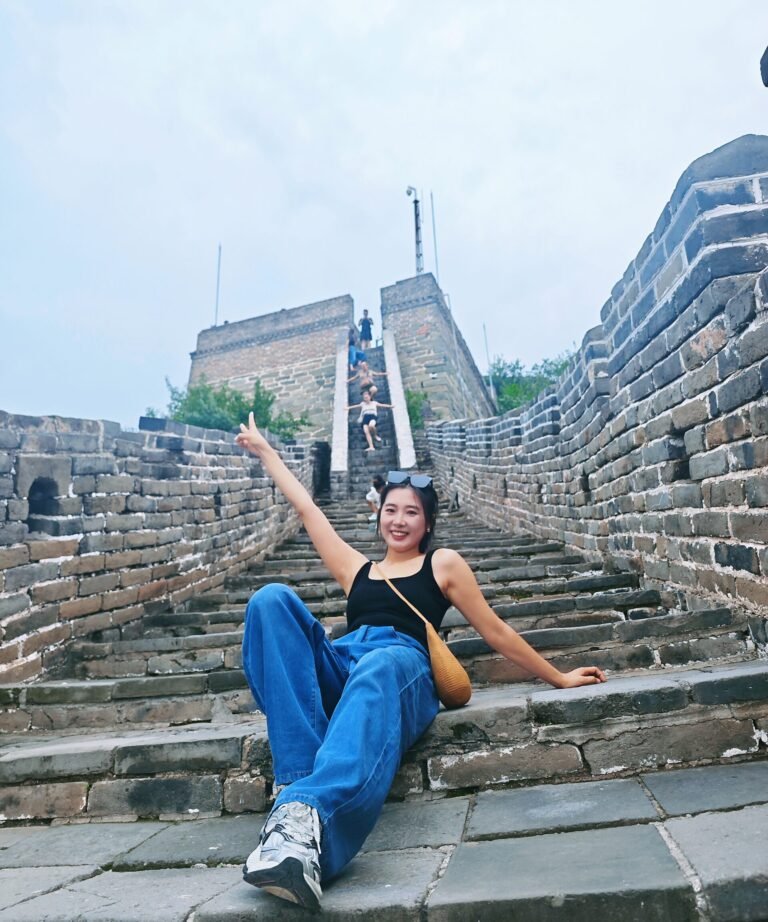
MUTIANYU GREAT WALL
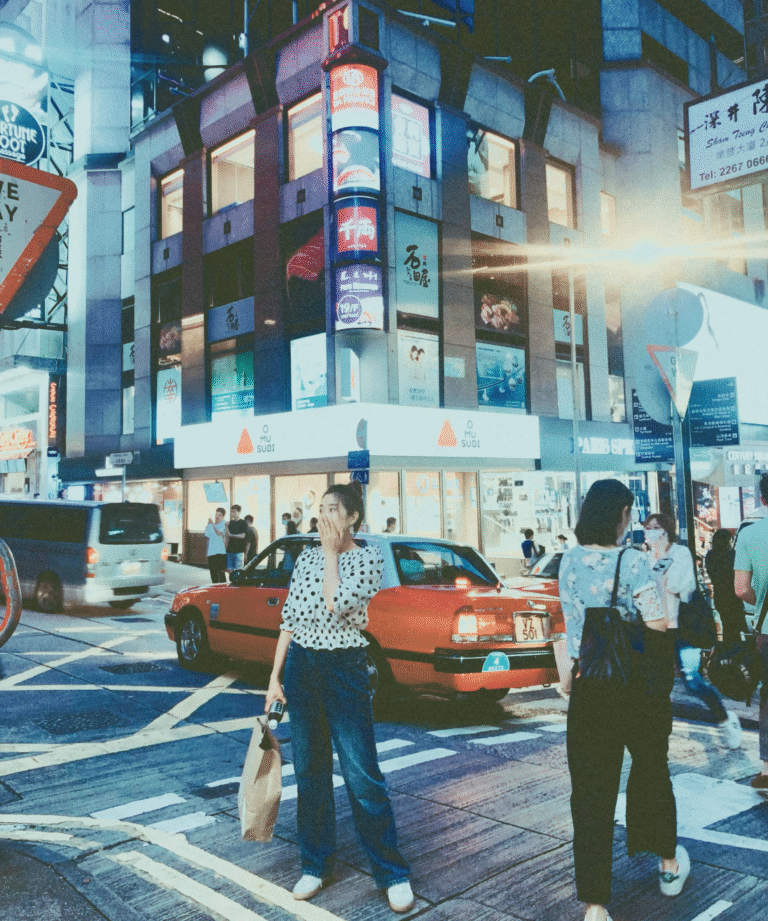
HONGKONG
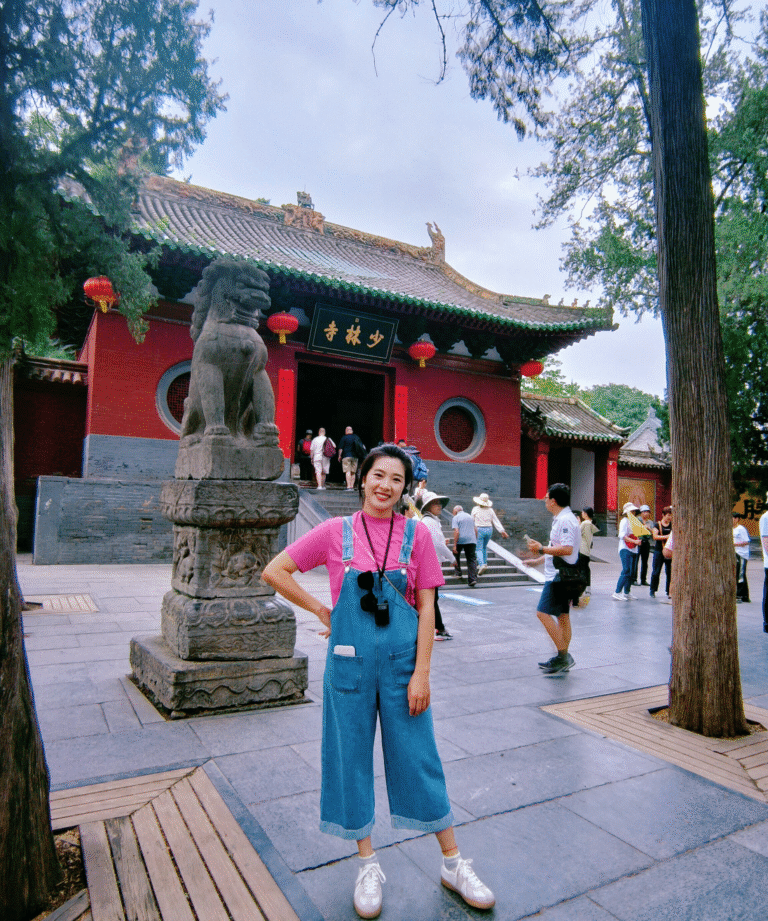
SHAOLIN TEMPLE
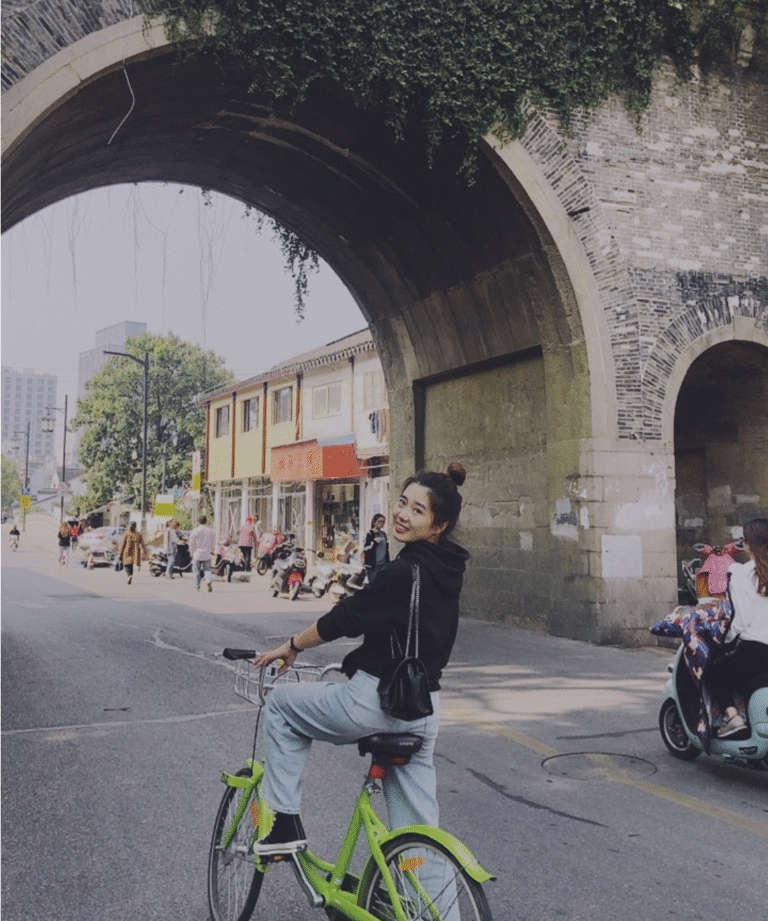
XI'AN
QINGDAO
SUZHOU

© 2026 TripExpectJouney All Rights Reserved
