
10 Thing To Do In Beijing
I’ve lived in Beijing for over twenty years, and over that time I’ve come to know the city inside and out. Beyond its famous landmarks, Beijing is full of unforgettable experiences—from wandering through quiet hutongs in the early morning and standing atop the majestic Great Wall to enjoying freshly roasted Peking duck at a local restaurant. Each experience reveals a different side of the city. In this guide, I’ve put together 12 of my favorite things to do in Beijing, combining iconic attractions with local experiences to help you discover the very best of China’s capital.
Hike Mutianyu Great Wall
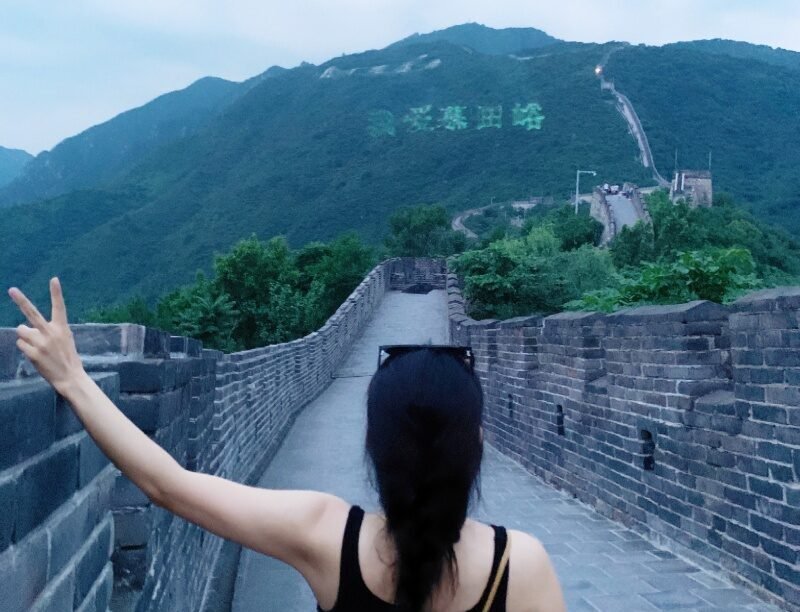
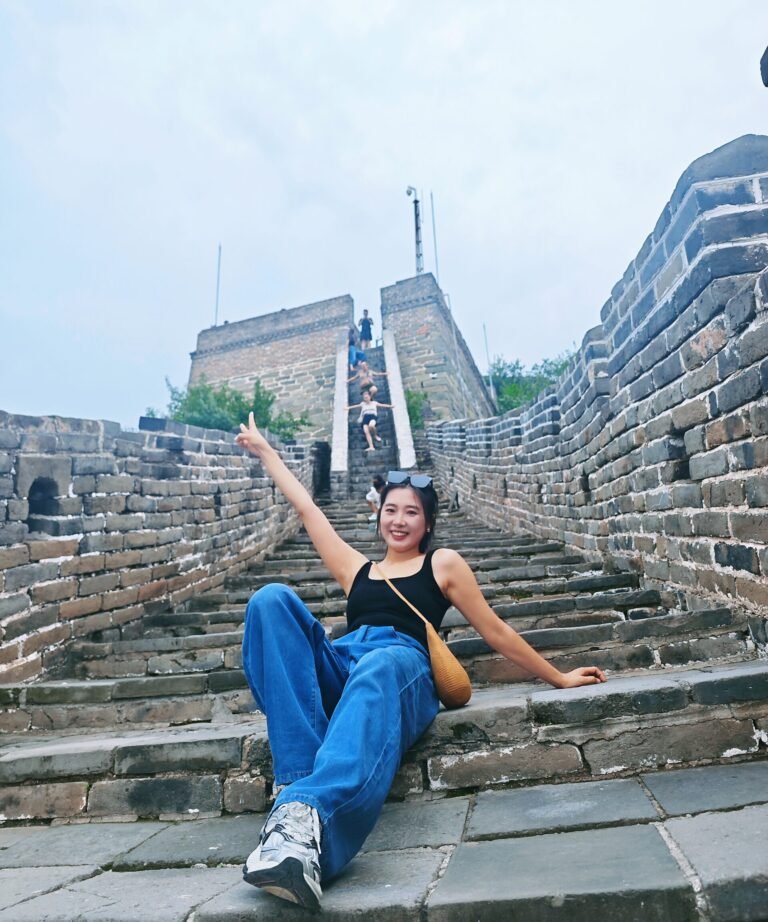
Beijing has three really popular sections of the Great Wall: Mutianyu, Badaling, and Juyongguan. Personally, I prefer Mutianyu. It’s a bit farther than Badaling, but the scenery is way more beautiful—super lush with trees and plants. It’s gorgeous in every season: in spring the mountains are covered with wildflowers, and in autumn it’s all fiery red and golden leaves. You can take a cable car up and down, which saves a lot of energy and also gives you an amazing bird’s-eye view from the top. Plus, there’s this super long slide for the way down—it’s so much fun! The best part? Mutianyu has fewer tourists, so you get a much better experience. And one more thing I love: in summer, they have night tours, and that feels totally different from the daytime visit.
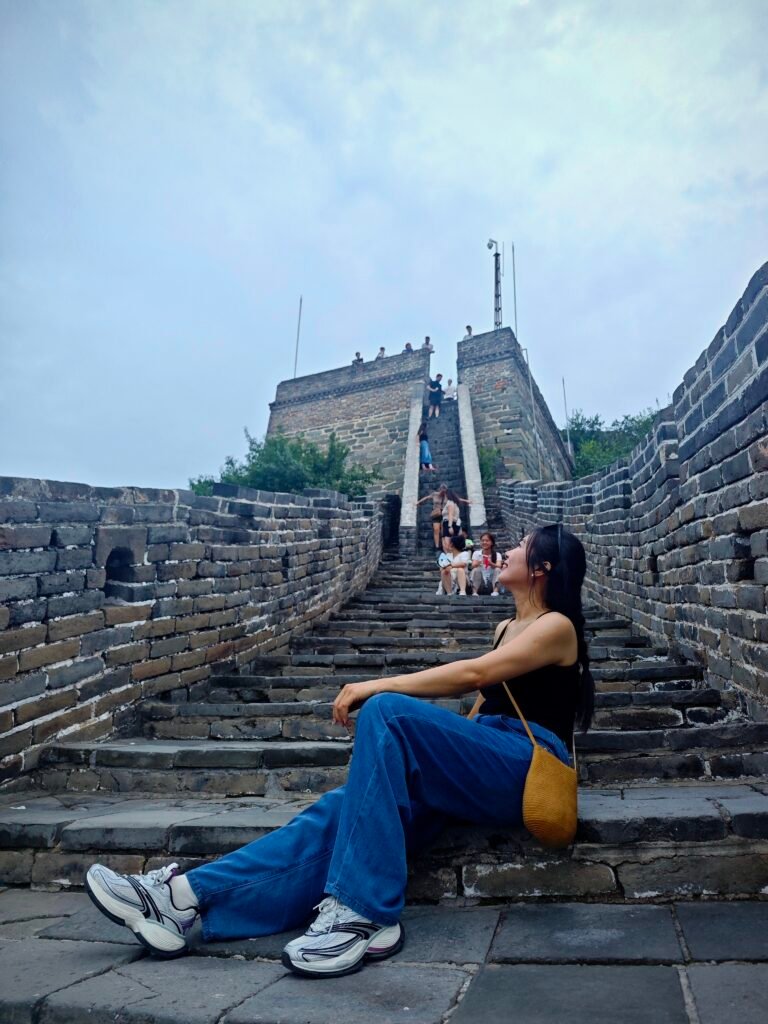
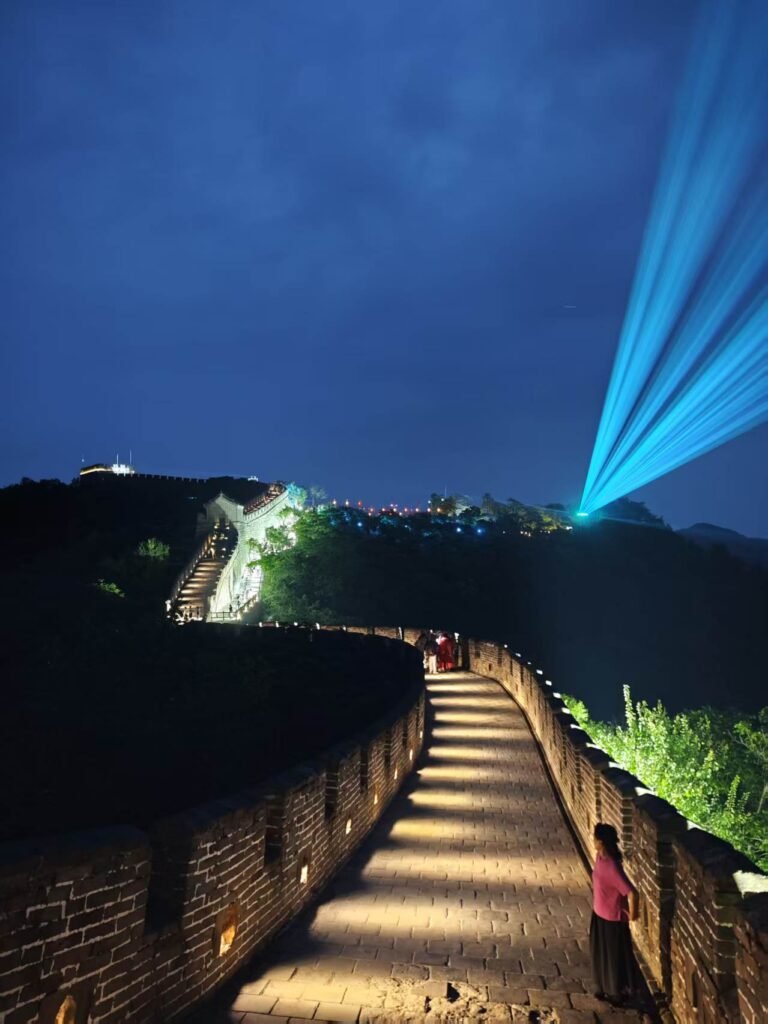
If you’re planning to visit the Mutianyu Great Wall,
Mutianyu Great Wall at Sunset: A Complete Guide to the Best Time to Visit
this article might help. It covers my impressions from two visits at different times of year, along with a practical guide to getting there and making the most of your trip.
Visit the China Arts and Crafts Museum
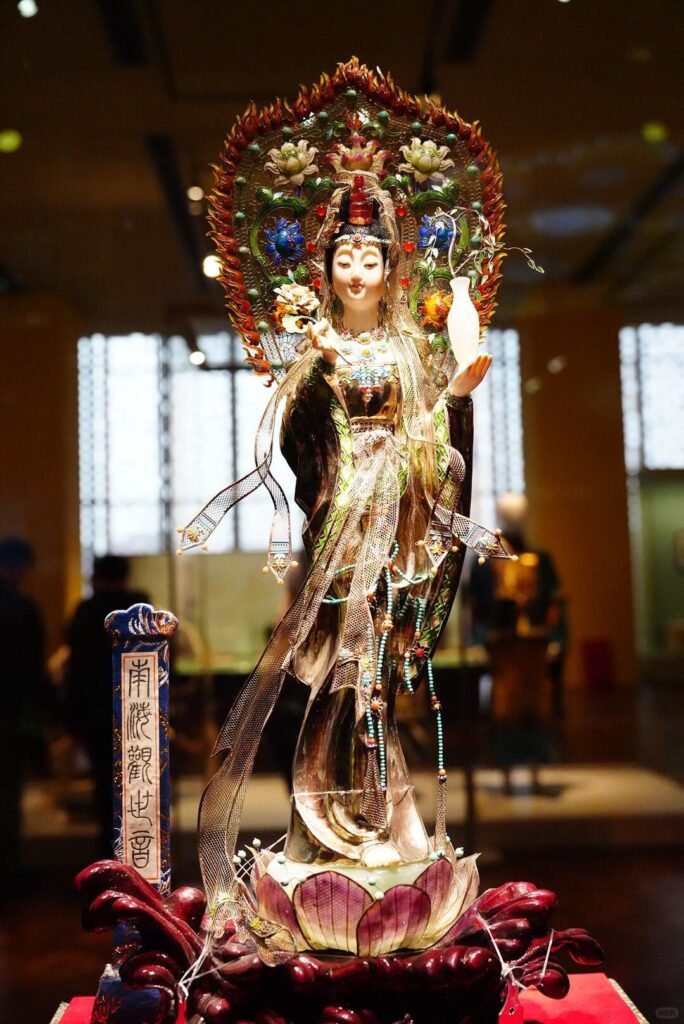
The China Arts and Crafts Museum (also called the China Intangible Cultural Heritage Museum) – oh my god, it’s absolutely stunning! Don’t let the name “Arts and Crafts” fool you – this is not some tourist souvenir shop; it’s a national level treasure hall. They have jade carvings and embroidered textiles so exquisite they’d make even the British Museum jealous. And you can even get hands on with intangible cultural heritage activities – make your own rubbings, sachets, ronghua (silk flowers), flowing sand paper fans, New Year woodblock prints, and more. It’s a total blast!
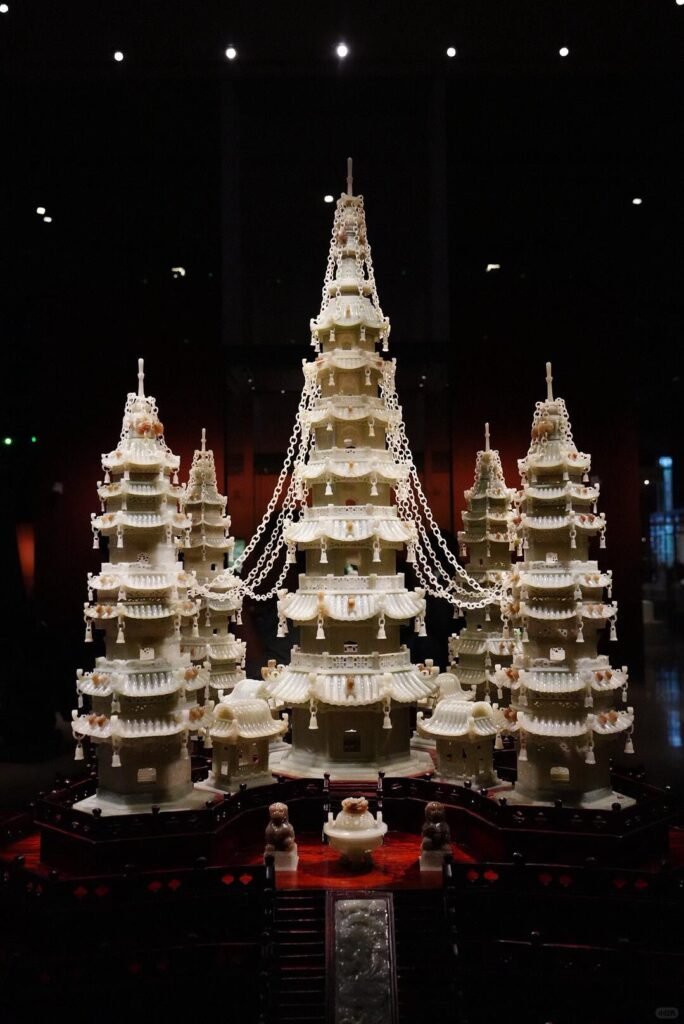
Booking & ID Guide
- How to book: You need to reserve 1 to 7 days in advance. Search for the WeChat official account “中国工美馆 中国非遗馆” (China Arts & Crafts Museum / China Intangible Cultural Heritage Museum), or book on the official website. It’s real-name booking. On weekends and public holidays, online booking is basically the only option, so don’t count on buying a ticket on the spot.
- What ID to bring: Foreign visitors can just use a passport, both for booking and for scanning in at the entrance. If the system doesn’t accept your passport, there’s a backup: the neighboring Museum of the Communist Party of China lets you in with a passport and no reservation, and there’s an internal passage connecting directly to the Arts & Crafts Museum. Just tell the staff at the entrance, register, and you can walk through.
- Do I have to pay? Admission is free, but you still have to book ahead. Kids under 14 don’t need their own reservation, they can just go in with an adult.
Opening Hours & Basics
- Opening hours: Tuesday to Sunday, 9:00 AM to 5:00 PM. Last entry is at 4:00 PM, so don’t cut it close.
- Closed days: The museum is closed every Monday (except public holidays), so make sure you don’t show up on a Monday and find the doors shut.
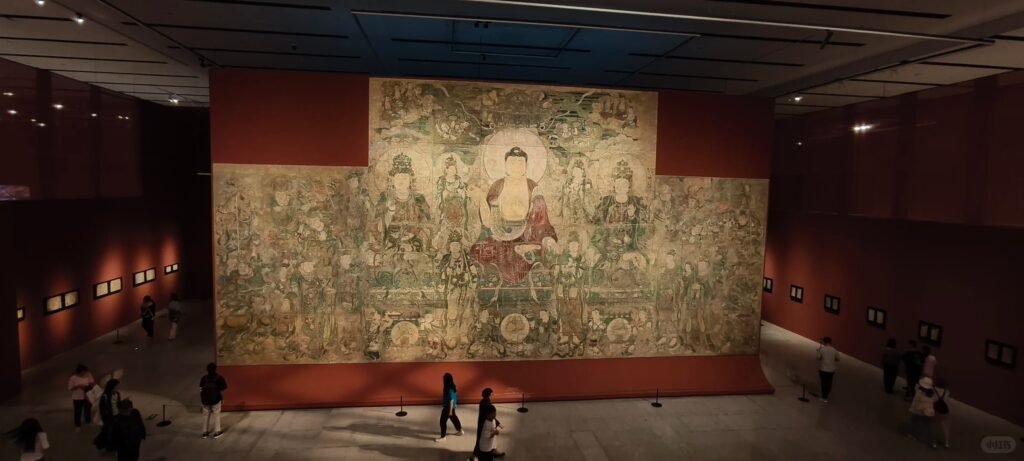
Explore the hutongs from Dongsi to Beixinqiao to Yonghegong
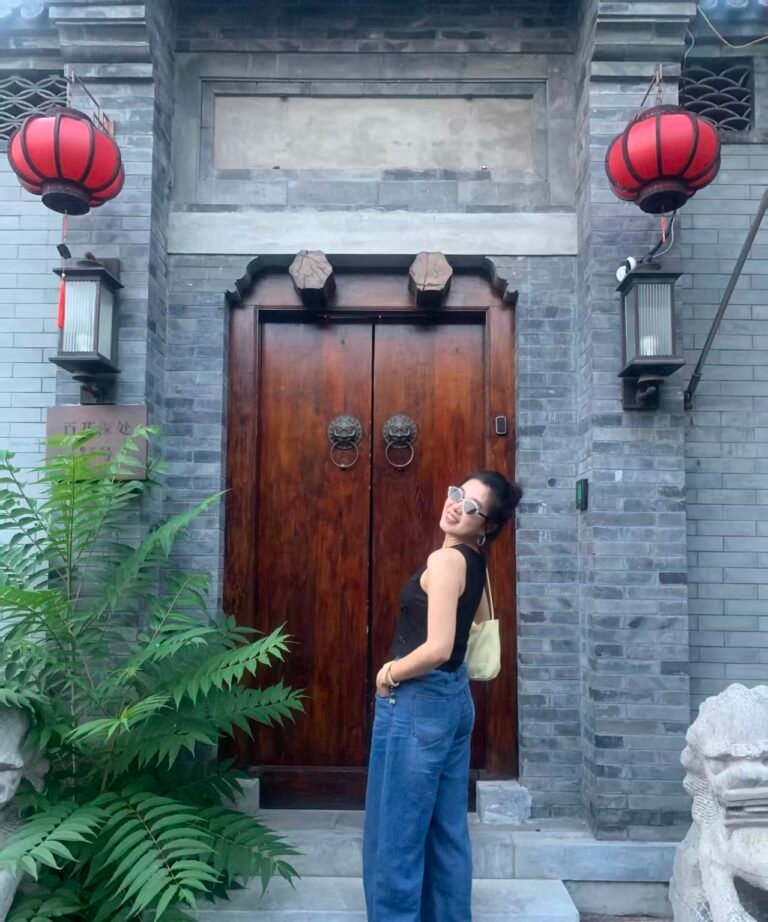
Beijing’s hutongs are a must see – you haven’t really seen the city until you’ve wandered through them. One of the classic routes is from Dongsi to Beixinqiao and then to Yonghegong (Lama Temple). It’s a route I often take for strolling and grabbing bites along the way. You’ll see traditional old Beijing architecture, spot local grandpas playing chess, and find it packed with great food spots. You can walk or bike – whatever you prefer.
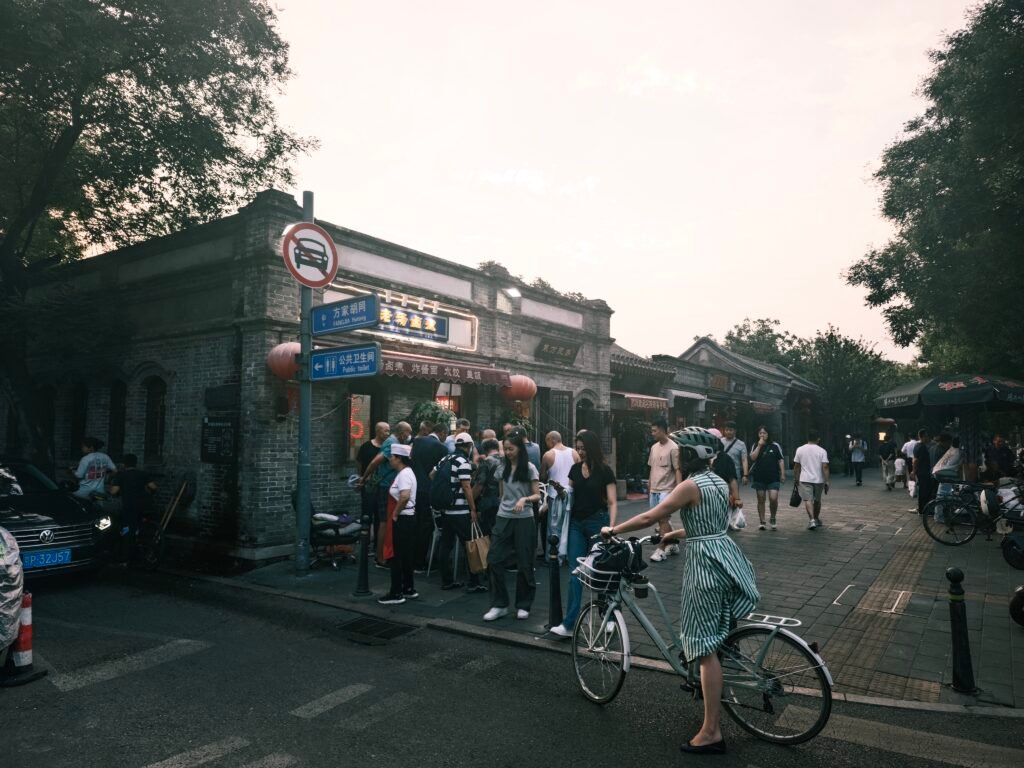
Tour the Forbidden City and climb Jingshan Park
The Forbidden City was home to China’s Ming and Qing emperors—24 of them in total. It covers a massive 720,000 square meters and has over 9,000 rooms. It’s the largest and best preserved ancient wooden architectural complex in the world today, so if you’re into Chinese architecture, this is an absolute must see. Fair warning: it’s huge. A quick glance will take you 2 3 hours, and if you want a deep dive, plan for 4 5 hours. Either way, you’re looking at at least 20,000 steps on your pedometer.
It’s incredibly photogenic, so I highly recommend renting a Hanfu or Qing dynasty costume for some epic photos—you can literally play emperor or empress for a day! And here’s a pro tip: after you leave the Forbidden City, walk over to nearby Jingshan Park. Climb up to Wanchun Pavilion, and you’ll get a breathtaking bird’s eye view of the entire palace complex from above.

If you want a detailed guide to visiting the Forbidden City,
How to Explore the Forbidden City — All 100 Football Fields of It
this article has you covered. You’ll find how long a visit takes, how to book tickets, and plenty more.

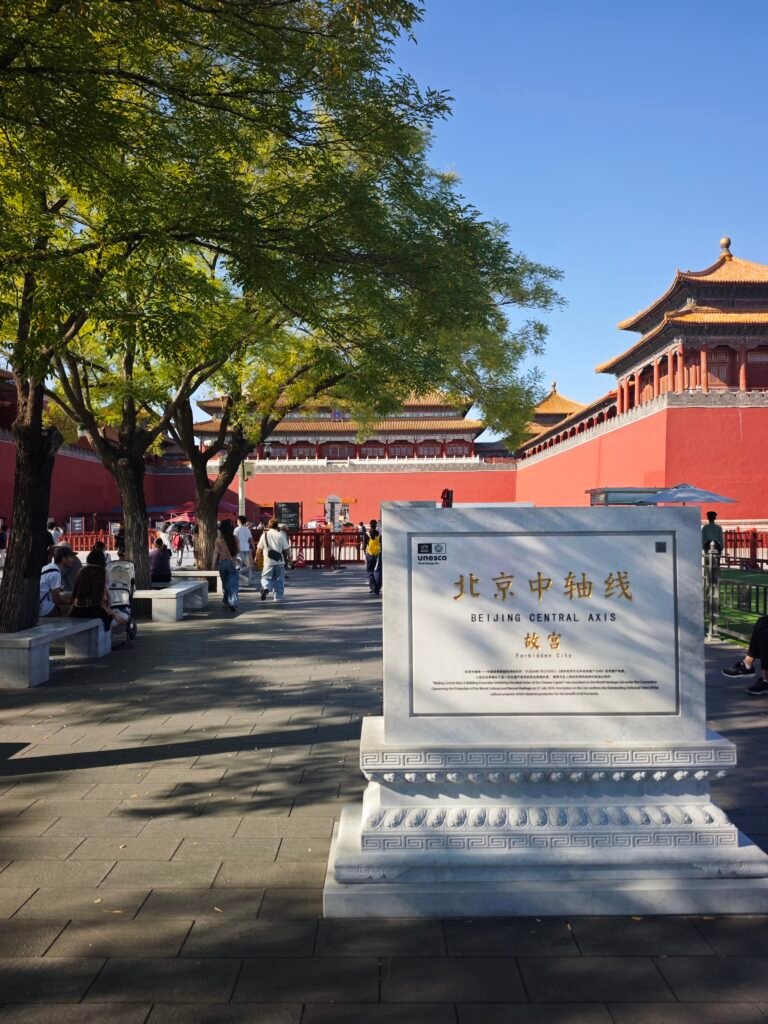
Wander the Temple of Heaven
The Temple of Heaven was the sacred site where Ming and Qing emperors came to worship Heaven and pray for good harvests. It’s the largest and best preserved ancient sacrificial complex in the world today. Fun fact: it’s actually four times bigger than the Forbidden City! That said, if you plan your route well, 2 3 hours is plenty. While you’re exploring this royal landmark, you’ll also get a glimpse of local life—people doing tai chi, playing cards, singing—which adds a lovely everyday vibe. The absolute must sees are the Hall of Prayer for Good Harvests, the Echo Wall, and the Circular Mound Altar. Don’t miss them
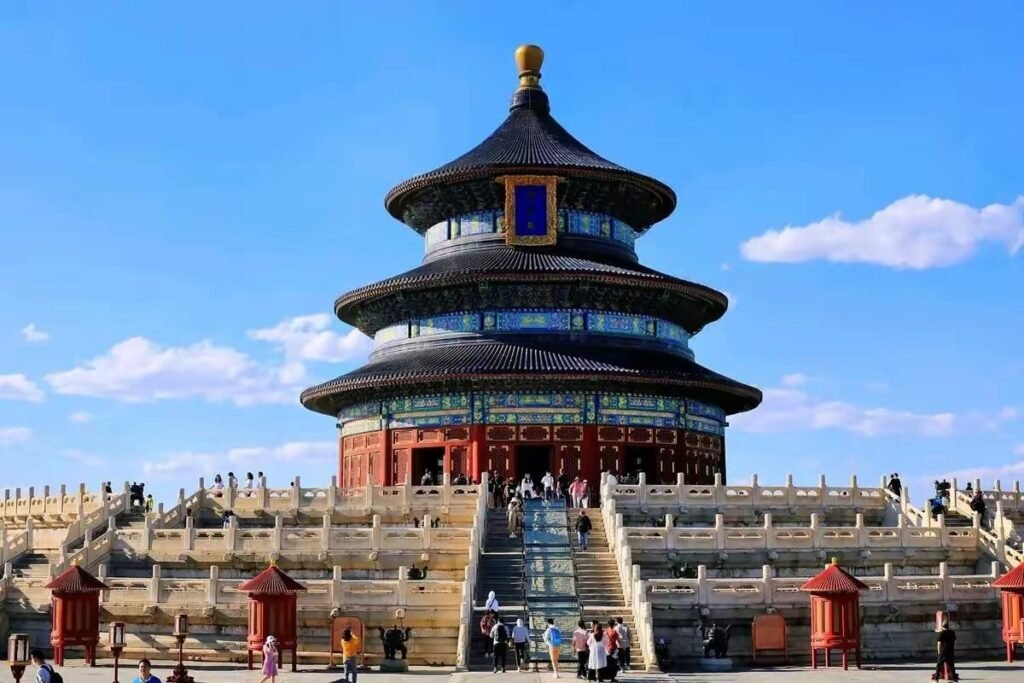
Tickets & Opening Hours
- Combo ticket: 34 RMB in peak season (April 1 to October 31), 28 RMB in off-season (November 1 to March 31). It covers general admission plus the three core sights: the Hall of Prayer for Good Harvests, the Echo Wall, and the Circular Mound Altar. We strongly recommend getting the combo ticket, because general admission alone won’t get you into the main historic area.
- General admission: 15 RMB in peak season, 10 RMB in off-season. This only lets you walk the wooded paths around the edge of the park, and you won’t see the historic buildings inside.
- Do I need to book No reservation needed. Just buy your ticket at the gate and walk in, which makes things a lot easier.
- Opening hours: The park gates are open 6:00 AM to 10:00 PM in peak season and 6:30 AM to 10:00 PM in off-season. The core sights inside (the Hall of Prayer for Good Harvests, etc.) are open 8:00 AM to 5:30 PM, but last entry is at 4:30 or 5:00 PM, so don’t cut it close or you might make the trip for nothing.
Closures & Things to Avoid
- Skip Mondays: The historic buildings in the park (the Hall of Prayer for Good Harvests, the Echo Wall, and the Circular Mound Altar) are closed for maintenance every Monday (except public holidays). Only the outer park is open, so double-check your date before you go.
- Avoid National Day week: October 1 to 6 is the National Day holiday, when visitors flood in from all over China. You may see more people than scenery, and the experience won’t be great.
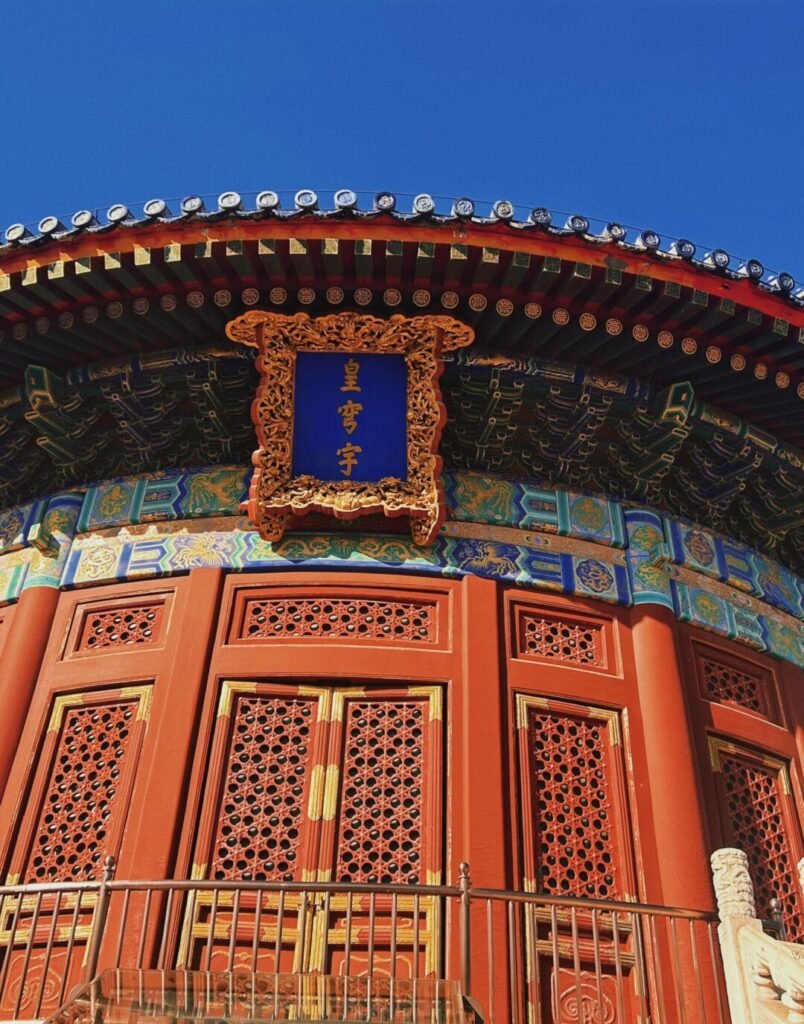
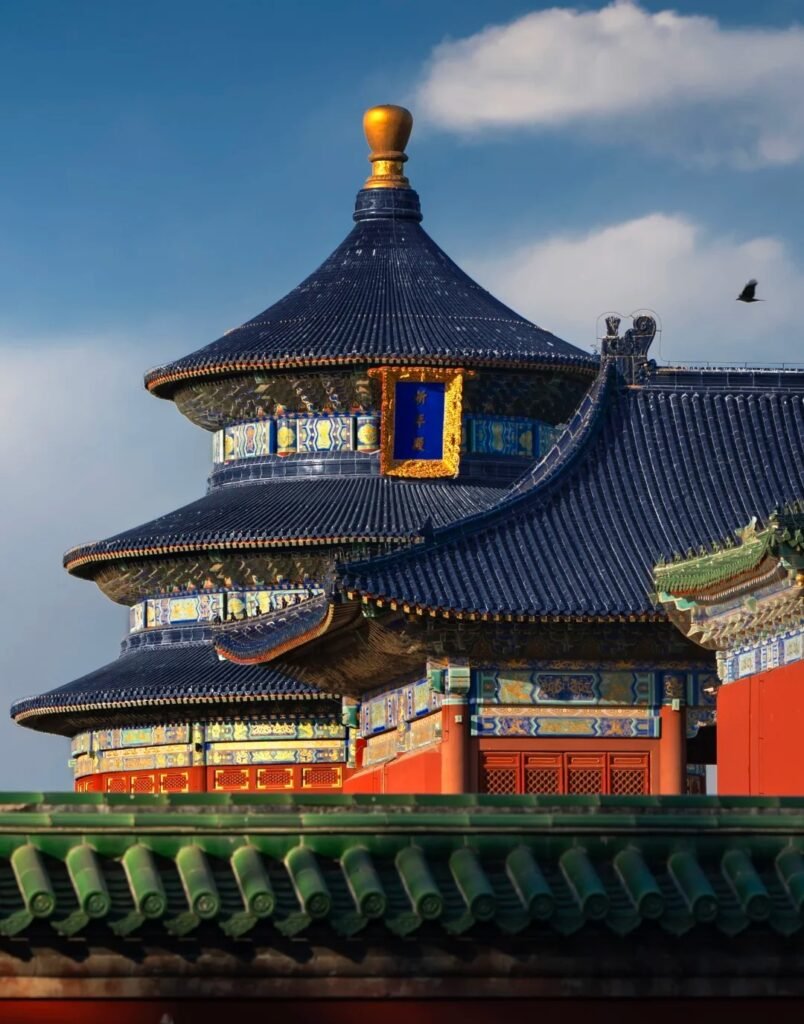
Eat Peking duck and traditional copperpot hotpot
Peking duck and copper pot hotpot are two classic dishes you simply have to try in Beijing. The duck has crispy skin and tender meat—wrap it in a thin pancake with sweet bean sauce, cucumber, and spring onion, and it’s pure heaven. The hotpot uses a charcoal fired copper pot with a clear broth; you dip paper thin slices of fresh lamb into it, then into a rich sesame paste sauce—it’s warm, comforting, and delicious. But there are so many restaurants in Beijing serving these two, and the quality varies a lot, so check out my other post for recommendations on where to go.
To find good food in Beijing, you’ll first need to download the Dianping app. You can search for restaurants in Beijing and all across the country on it.
The Apps You’ll Actually Use in China
This article walks you through how to download it and how to use it.


Visit 798 Art District
798 is a pretty interesting place. It used to be a factory complex from the 1950s, but now it has become an art center brimming with creative energy. The district is huge, full of industrial heritage blended with contemporary creativity—just like Beijing’s version of SoHo. Throughout 798, you’ll find art museums, galleries, street art, trendy boutiques, specialty restaurants, and cozy cafes. I often pick up little knick knacks I like there, and it’s almost impossible to leave empty handed. Oh, and be sure to wear comfortable shoes—you won’t be able to get out in under three or four hours.
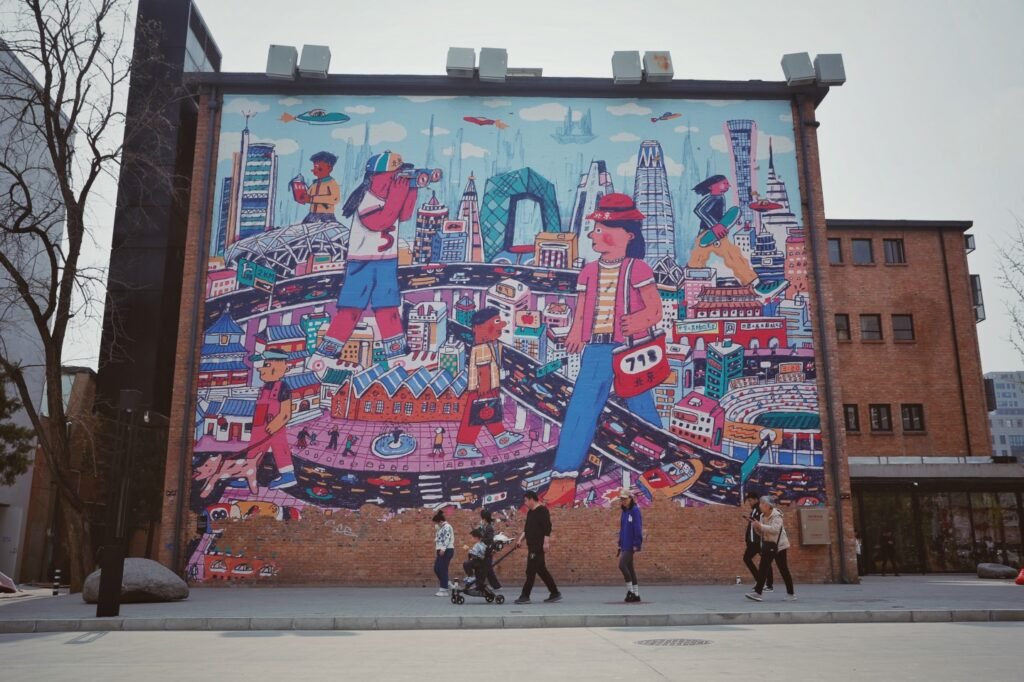
Experience a Chinese tea ceremony
Ok honest confession — I used to be the kind of person who couldn’t function without coffee. Then one afternoon I got pulled into a tea ceremony, and it completely rewired how I think about “having a drink.” You do everything yourself — warming the pot, measuring the leaves, timing each pour — while the tea master just sits there guiding your hands. My first pour came out way too strong, she just laughed and said “try again,” and by the fourth pour I’d actually figured it out. The whole thing took two, three hours, phone stayed in my bag, I just sat there smelling the leaves unfurl in the water. Walked out feeling more unwound than I’ve ever felt after a coffee. If you’re someone who can’t leave the house without a cup in hand — genuinely, try this instead. Slowing down turns out to feel amazing.
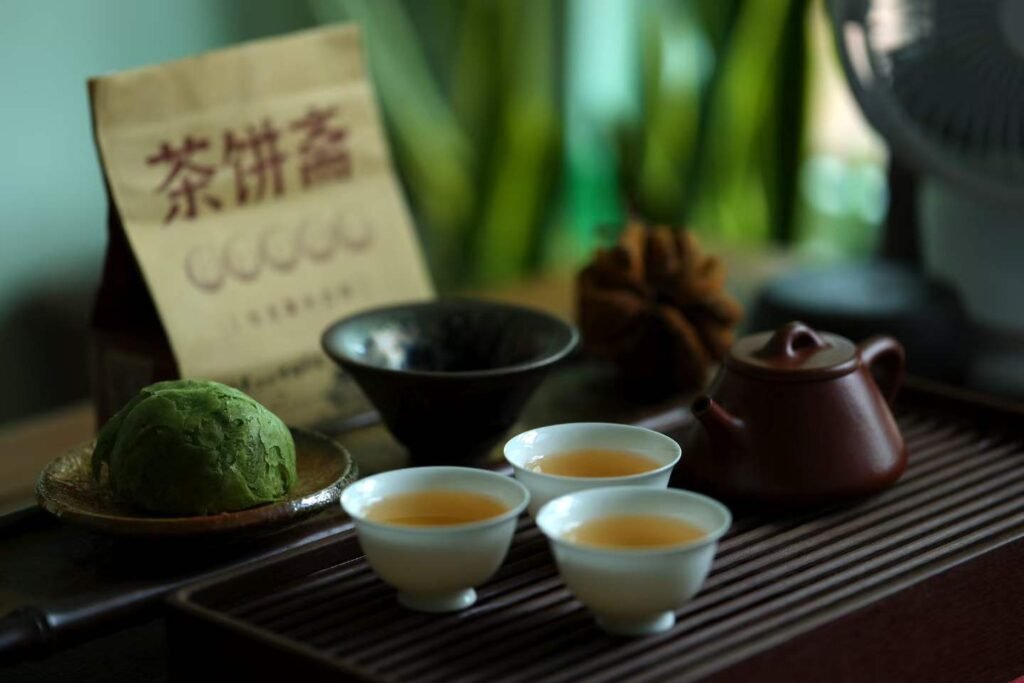
If you’d like to experience a Chinese tea ceremony for yourself, click here to brew a cup of tea of your own.
Get a traditional Chinese massage
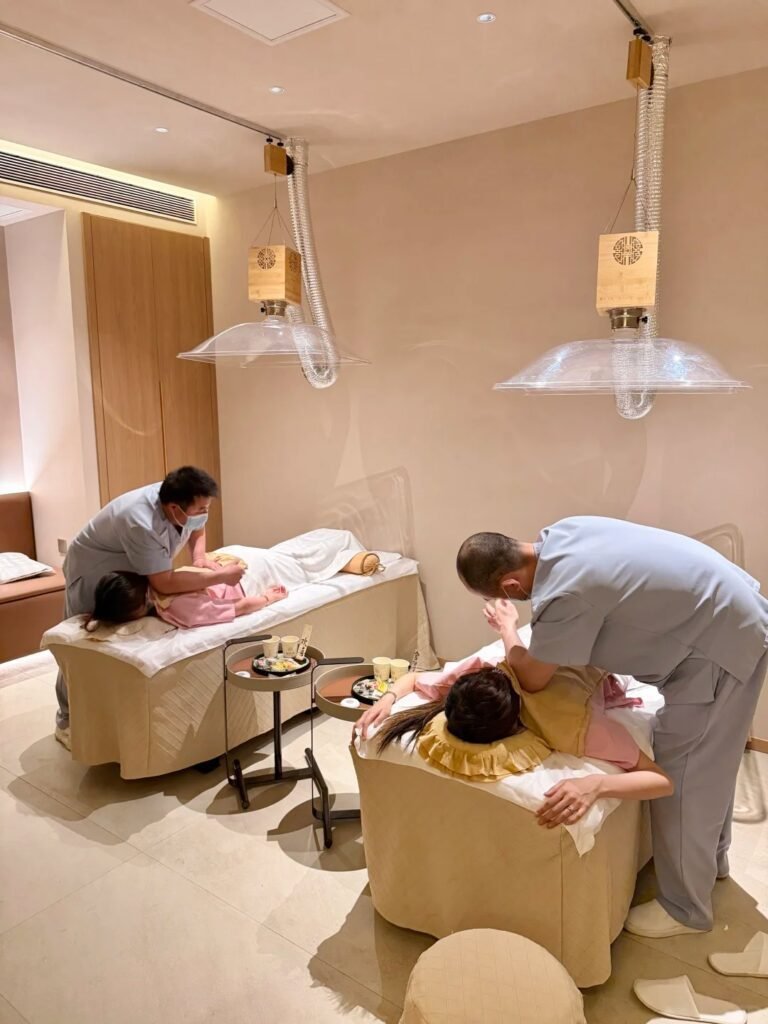
You really have to feel the ache-then-bliss of Chinese massage yourself to understand it, especially after a full day of walking. It’s nothing like a spa — it leaves you feeling weightless, almost like you could float off the ground. The practitioner asked where it hurt, pressed her thumb into my shoulder, and found the knot almost instantly — then just started working it loose. When she hit my shoulder blade I nearly yelped, and without even looking up she said, “hang in there, this one’s blocked.” No oils, no background music, the table’s basically a wooden plank, and at some point she cupped and scraped my back too — I caught a glimpse in the mirror afterward and my back was covered in red and purple marks, startled me at first, turns out that’s just the circulation getting unstuck. An hour later I felt absurdly light, like my feet barely touched the ground walking out. That kind of lightness, a full night’s sleep couldn’t have given me.
Enjoy craft beer in a hidden courtyard tucked away in the hutongs
This is one of my secret spots. I love going there in summer—it’s a hidden Chinese courtyard tucked away in the hutongs. I grab a craft beer, and man, it’s just so refreshing. It always draws people from all over the world who love hutongs, love traditional courtyards, and love sipping a cold beer in the summer evening breeze. After a drink or two, when you’re feeling good, you can just walk over to Shichahai—it’s not far—and watch the sunset by the water. Shichahai is definitely a must-see in Beijing, but it’s become way too famous these days, so it gets super crowded. But if you do want to go, I can point you to the less crowded spots, and even tell you where you can grab a coffee or afternoon tea with a great view over the whole area.
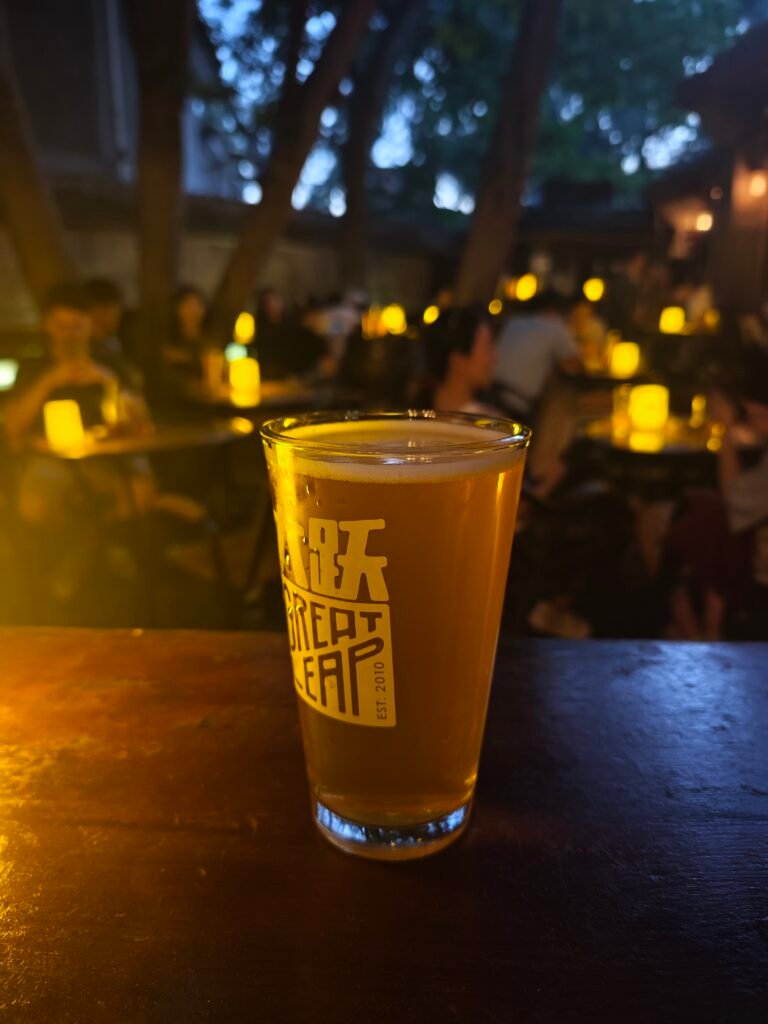
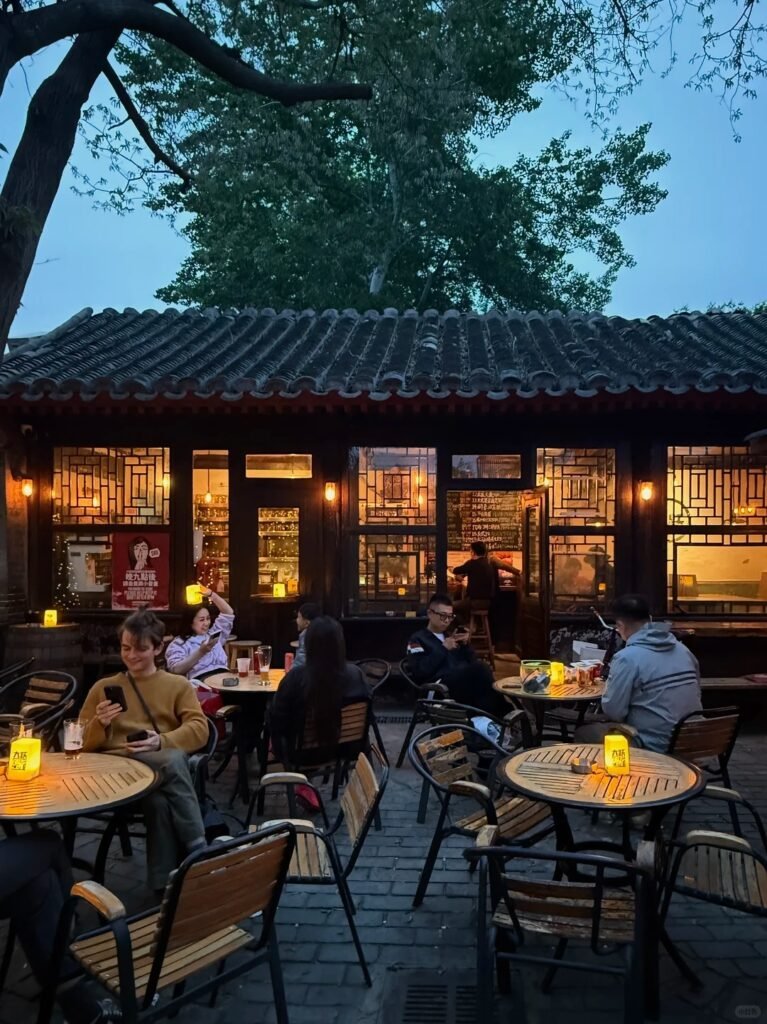
This is the craft beer bar I often go to in the hutongs: Dayue Beer (大跃啤酒) on Doujiao Hutong. You can get IPAs, pilsners, sours, and more.
Tips: There’s a happy hour before 7 PM (buy one, get one free), which is a great deal, and the happy hour menu keeps changing. The bar doesn’t serve food, but you can order takeout, and there are plenty of options. You’re also welcome to bring your own snacks. It’s tucked away in the hutong and a bit of a maze, so for your first visit, Amap (Gaode) will get you there more accurately.
More Stories


Join us
Get the occasional email from TripExpect — things worth knowing before or during your trip.
BEIJING-HUTONG
MUTIANYU GREAT WALL
HONGKONG
SHAOLIN TEMPLE
XI'AN
QINGDAO
SUZHOU

© 2026 TripExpectJouney All Rights Reserved
